



What's Happening?
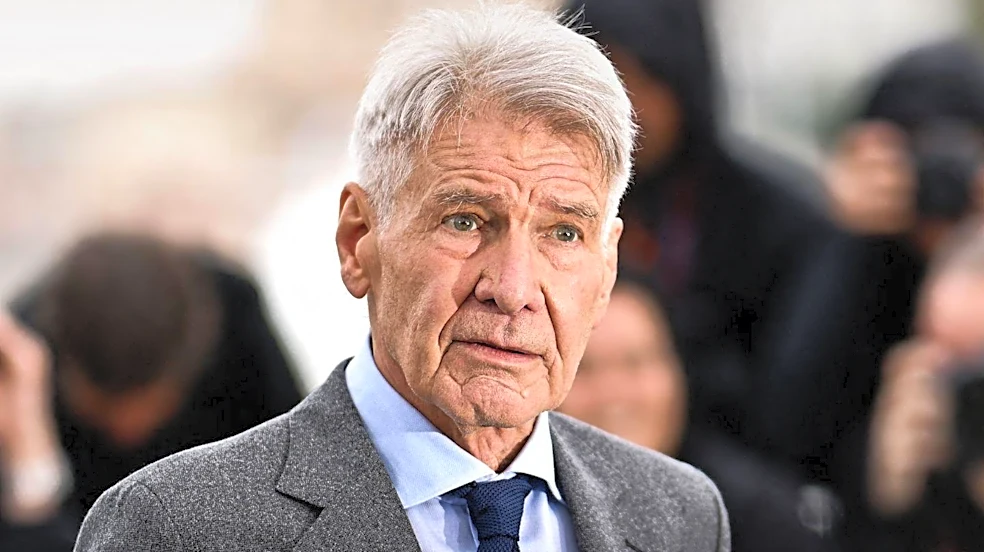
Actors Harrison Ford and Morgan Freeman, both octogenarian icons with extensive careers, share a common pick for the greatest actor of all time: Gregory Peck. Despite never having worked together on a film, their admiration for Peck stems from his ability
to bring truth and vivid storytelling to the screen. Ford, known for his roles in 'Star Wars' and 'Indiana Jones,' expressed that Peck was 'remarkable' and that it was 'impossible to see him act,' highlighting Peck's focus on storytelling over performance. Freeman's appreciation for Peck was solidified after seeing the 1956 adaptation of 'Moby Dick,' which he felt perfectly captured the essence of the book, and further reinforced by Peck's performance in 'To Kill a Mockingbird.' Both actors emphasize Peck's unique ability to embody his characters without appearing to 'act,' a quality they deeply respect.
Why It's Important?
This shared admiration among highly respected actors like Harrison Ford and Morgan Freeman for Gregory Peck underscores a significant aspect of cinematic artistry: the power of authentic storytelling and seamless performance. In an industry often focused on star power and special effects, their recognition of Peck highlights the enduring value of an actor's ability to convey truth and narrative depth. This perspective can influence how emerging actors approach their craft, prioritizing genuine character portrayal over overt performance. For film enthusiasts and critics, it provides insight into the criteria by which seasoned professionals evaluate excellence, potentially shifting focus towards the subtle yet profound impact of an actor's contribution to a story. It also reinforces the legacy of classic Hollywood, demonstrating that foundational acting principles continue to resonate with contemporary legends.
What's Next?
While this revelation primarily serves as an interesting anecdote within the entertainment industry, it could spark renewed interest in Gregory Peck's filmography among younger audiences and aspiring actors. Film schools and acting coaches might incorporate this perspective into their curriculum, using Peck's work as a case study for naturalistic acting and compelling storytelling. Documentaries or retrospectives on classic Hollywood could feature Ford and Freeman's commentary, further solidifying Peck's place in cinematic history. Additionally, this shared sentiment could lead to discussions among other prominent actors about their own influences, potentially revealing more insights into the craft of acting and the figures who have shaped it. The emphasis on storytelling over performance might also influence future casting decisions, favoring actors who embody characters authentically.
Beyond the Headlines
The mutual respect shown by Harrison Ford and Morgan Freeman for Gregory Peck transcends mere professional admiration; it speaks to a deeper philosophical understanding of acting as an art form. Their comments suggest that true mastery lies not in visible effort, but in the complete immersion and authenticity that makes the performance indistinguishable from reality. This perspective challenges the modern tendency towards method acting or highly stylized performances, advocating for a more understated yet profoundly impactful approach. It also highlights the intergenerational continuity of artistic values within Hollywood, where the standards set by earlier legends continue to inspire and guide subsequent generations. This shared appreciation for Peck's 'truth and vivid storytelling' reflects a timeless ideal in cinema, emphasizing the emotional and intellectual connection an actor can forge with an audience through genuine portrayal.