





What's Happening?
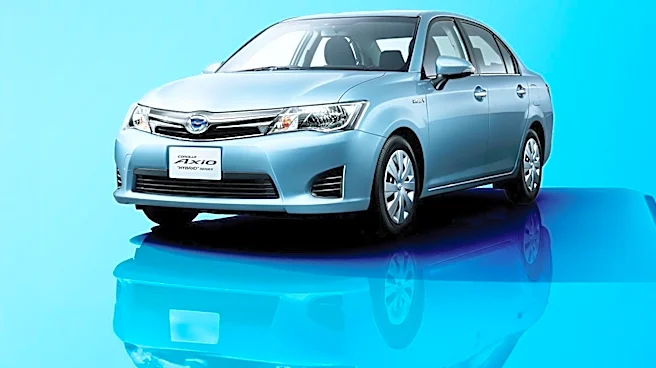
The automotive industry is undergoing a significant transformation, moving from traditional mechanical transportation to intelligent, connected, and electrified mobility. Key innovations include the rise of electric vehicles (EVs), advanced safety systems,
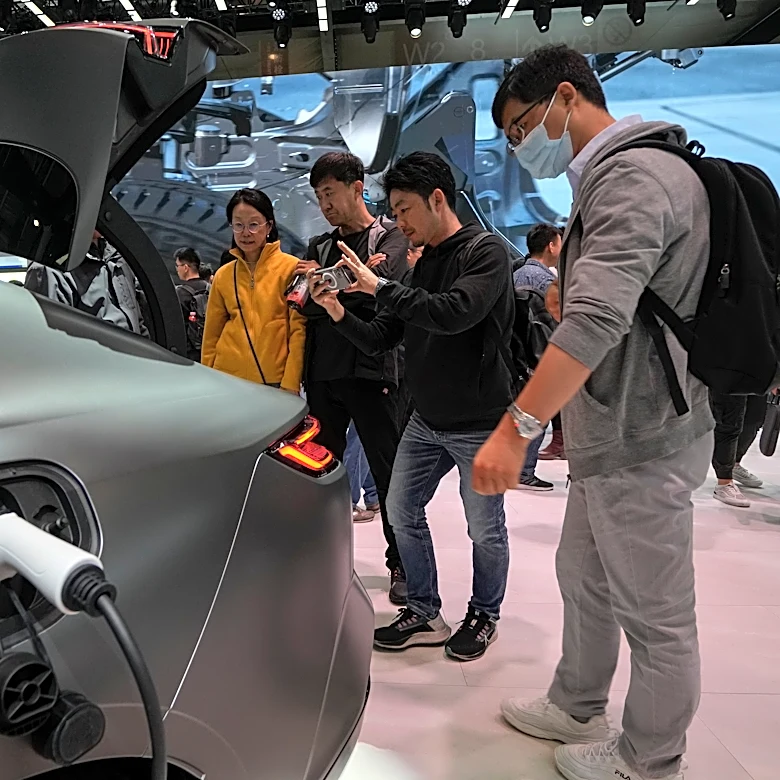
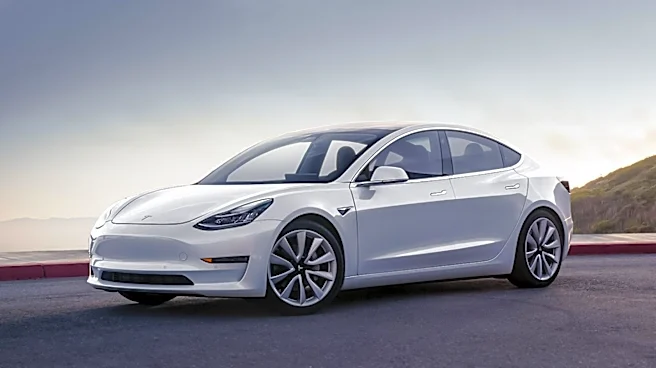
artificial intelligence (AI), connected services, and software updates. EVs are becoming more prevalent, utilizing electric motors and rechargeable battery packs, with ongoing improvements in battery technology and charging infrastructure. Connected vehicles offer features like remote monitoring, navigation updates, and emergency assistance through communication with smartphones, cloud services, and other vehicles. Software-defined vehicles, which operate like sophisticated computers, control various functions and can receive over-the-air updates. Advanced Driver Assistance Systems (ADAS) use cameras, radar, and sensors to enhance safety, while AI is being integrated for predictive maintenance, personalized infotainment, and optimized energy consumption.
Why It's Important?
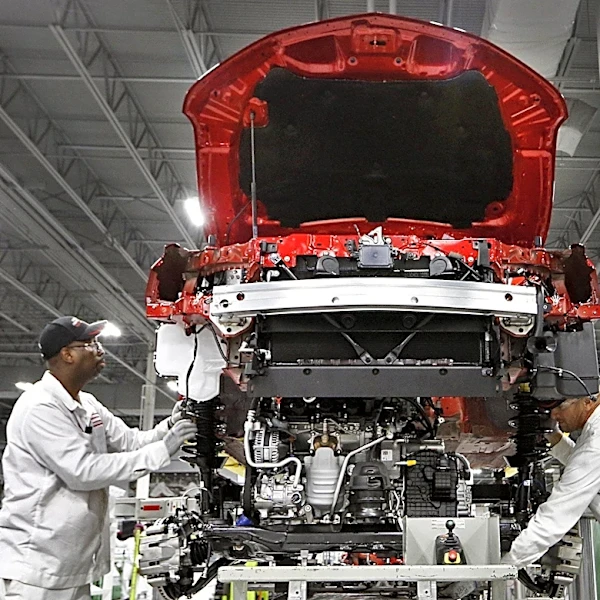
These technological advancements are profoundly reshaping the U.S. automotive landscape, impacting consumers, manufacturers, and the workforce. For consumers, the driving experience is becoming safer, more convenient, and potentially more sustainable with EVs. The shift to software-defined vehicles means that vehicle ownership is increasingly dependent on digital services and software updates, altering traditional maintenance models. Manufacturers are investing heavily in research and development to integrate these technologies, leading to intense competition and innovation. The demand for new skills in the automotive workforce is also rising, requiring technicians to have expertise in high-voltage systems, electronics, and software diagnostics. This evolution has significant implications for infrastructure development, particularly for EV charging networks, and for regulatory frameworks concerning autonomous driving and data security. The U.S. economy stands to benefit from new job creation in tech and manufacturing, but also faces challenges in adapting existing industries and infrastructure.
What's Next?
The automotive industry will continue to see rapid advancements in several key areas. Faster charging technologies and improved battery designs with higher energy density will make EVs more practical for longer journeys. Vehicle connectivity will expand, offering more integrated digital services and real-time information. Smarter safety systems, leveraging enhanced sensors and computing, will further improve hazard recognition. Research into advanced automation will progress, though the widespread adoption of fully autonomous driving will depend on overcoming technical, regulatory, and safety hurdles. Manufacturers will also focus on sustainability, exploring battery recycling, lighter materials, and energy-efficient production. Consumers will need to consider factors beyond initial purchase, such as battery warranty terms, charging compatibility, software support, and repair infrastructure, as these will increasingly influence the long-term ownership experience. Regulations will play a crucial role in shaping the pace and direction of these innovations in the U.S. market.
Beyond the Headlines
Beyond the immediate benefits of improved vehicles, these innovations raise deeper societal and ethical questions. The increasing reliance on software and AI in vehicles brings concerns about cybersecurity vulnerabilities and data privacy, as connected cars collect vast amounts of personal and operational data. The transition to EVs and autonomous vehicles could also have significant environmental impacts, both positive (reduced emissions) and negative (resource extraction for batteries, disposal challenges). The ethical implications of AI in decision-making for autonomous vehicles, particularly in accident scenarios, are complex and require careful consideration. Furthermore, the changing skill requirements for automotive technicians highlight a broader trend of workforce transformation across industries, necessitating new educational and training programs. The future of automotive technology is not just about cars, but about how these machines integrate into and reshape our daily lives, infrastructure, and ethical frameworks.