






What's Happening?
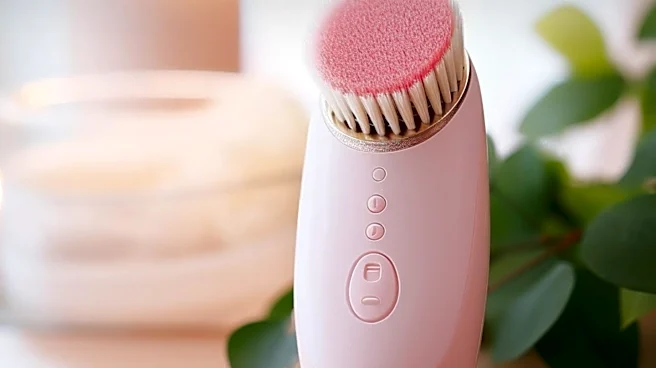
K-beauty devices are encountering challenges in adapting to U.S. consumer preferences, despite a consistent growth in the 'other personal care appliances' category since 2020, with LED masks gaining popularity. Unlike South Korea, where beauty devices are deeply
integrated into skincare routines, U.S. consumers tend to view K-beauty devices as anti-aging and self-care investments rather than essential components of a multi-step regimen. Many U.S. consumers do not yet perceive these devices as sufficiently differentiated or worth the cost, especially when compared to multi-use alternatives. The U.S. market is currently fragmented, creating an opportunity for strong category leaders to emerge, particularly for multifunctional, Korean-inspired devices that address specific skin concerns and prevent signs of aging by combining technologies like LED, radiofrequency, microcurrent, or temperature functions.
Why It's Important?
The U.S. beauty device market is entering a growth phase, and how K-beauty tech adapts will significantly influence its trajectory. The current consumer perception in the U.S. ascribes less value to K-beauty devices compared to South Korea, indicating a need for brands to re-strategize their market entry and positioning. The 'K-shaped economy' in the U.S., where consumer spending is value-driven, means that purchases are motivated by desired outcomes and perceived authority rather than just novel technology. This presents a challenge for K-beauty brands that traditionally emphasize multi-step routines and full ecosystems of devices. Success will depend on offering convenience-led, multifunctional products that resonate with the U.S. consumer's preference for efficiency and tangible results, potentially through marketing adjacencies and leveraging influencer marketing to build trust and authority.
What's Next?
The K-beauty tech market in the U.S. is expected to see a gradual adoption curve, with a more convenience-led hybrid approach rather than a full embrace of the multi-step Korean routine. Brands will likely focus on building a broader skincare ecosystem around their devices, emphasizing benefits, price points, and visible results. Retailers like Sephora and Ulta will continue to sell standalone devices, catering to the U.S. preference for min-maxing routines. Companies with expertise in tech, beauty, and personalization, such as Medicube or Geske, are well-positioned to lead this shift by leveraging app integrations and influencer marketing. The market will likely see the emergence of strong category leaders as consumer needs become more defined, with a focus on devices that combine multiple technologies to address various skin concerns and anti-aging needs.
Beyond the Headlines
The challenges faced by K-beauty tech in the U.S. highlight broader cultural differences in beauty consumption and healthcare approaches. The U.S. market's emphasis on individual devices and value-driven purchases contrasts with the more holistic, routine-oriented approach prevalent in South Korea. This divergence reflects differing consumer attitudes towards self-care, technology integration, and the perceived efficacy of beauty treatments. The 'K-shaped economy' also underscores how economic disparities influence consumer choices, with a focus on 'affordable luxury' and functionality. The success of K-beauty tech in the U.S. will not only depend on product innovation but also on effective cultural translation and marketing strategies that align with American consumer values, potentially influencing future trends in the global beauty and wellness industry.