


What's Happening?
Live Nation Entertainment, a prominent global live entertainment company, was among several major entertainment entities summoned to a meeting by the UK government. The meeting, convened by Britain's culture minister Lisa Nandy, addressed a series of
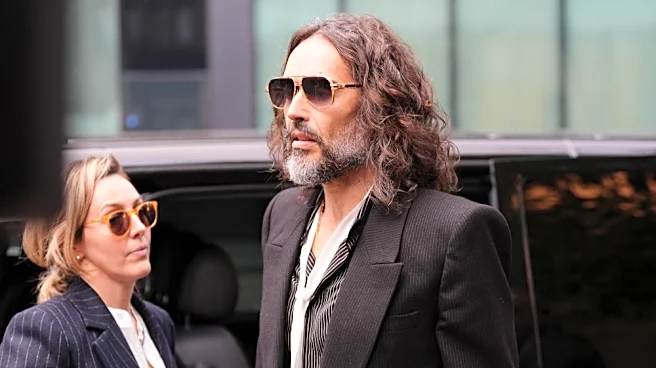
abuse scandals that have recently plagued the entertainment industry. Other attendees included representatives from the BBC, Netflix, ITV, NBC Universal, Amazon, and HarperCollins, alongside various sports companies and industry bodies. The gathering aimed to discuss systemic issues within the sector following recent high-profile cases, such as the conviction of comedian Russell Brand for rape and sexual assault, and investigations into other entertainers. Minister Nandy emphasized the need for collaborative industry-wide change to address and prevent recurring patterns of abuse, highlighting concerns about harassment, bullying, whistleblower empowerment, and safeguarding systems, particularly for freelancers. The companies present are expected to report back on their proposed actions in the coming weeks.
Why It's Important?
This development is significant as it underscores a growing global scrutiny on accountability and safety within the entertainment industry, which could have ripple effects on U.S. operations and standards. While the meeting occurred in the UK, Live Nation Entertainment is a global entity with substantial operations in the United States, including Ticketmaster and Live Nation Concerts. Increased pressure from international governments on industry leaders to implement robust safeguarding measures could influence corporate policies and practices across all their markets, including the U.S. This could lead to enhanced internal protocols for employee and artist safety, more rigorous vetting processes, and improved mechanisms for reporting and addressing misconduct. Companies that fail to adapt may face reputational damage, legal challenges, and potential regulatory interventions, impacting their business models and public trust. The focus on freelancer safeguarding is particularly relevant, as many in the entertainment sector operate outside traditional employment structures, often with less protection.
What's Next?
Following the UK government meeting, Live Nation Entertainment and other participating companies are expected to formulate and present their plans to address the issues raised by Minister Nandy. This will likely involve a review and potential overhaul of existing safeguarding policies, harassment reporting mechanisms, and support systems for whistleblowers. There could be increased investment in training programs focused on workplace conduct and consent, as well as efforts to extend protections to freelance workers. The UK government has indicated a willingness to mandate action if the industry does not demonstrate sufficient progress, which could lead to new regulations or legislative changes. For Live Nation, this could mean implementing more stringent global standards that would also apply to its U.S. operations, potentially setting new benchmarks for the broader entertainment industry in terms of corporate responsibility and ethical governance.
Beyond the Headlines
The summoning of major entertainment companies like Live Nation to address abuse scandals points to a broader societal shift towards greater accountability for powerful institutions. This movement, fueled by initiatives like #MeToo, is pushing for systemic changes that go beyond individual cases of misconduct. For the entertainment industry, this implies a re-evaluation of long-standing power dynamics, workplace cultures, and the protection of vulnerable individuals. The emphasis on empowering whistleblowers and safeguarding freelancers highlights a recognition of the unique vulnerabilities within creative industries. This could lead to a more transparent and equitable environment, but also presents challenges for companies in balancing creative freedom with robust oversight. The long-term implications could include a fundamental reshaping of how talent is managed, how events are produced, and how corporate responsibility is defined in the global entertainment landscape, potentially influencing legal frameworks and ethical standards across various sectors.