


What's Happening?
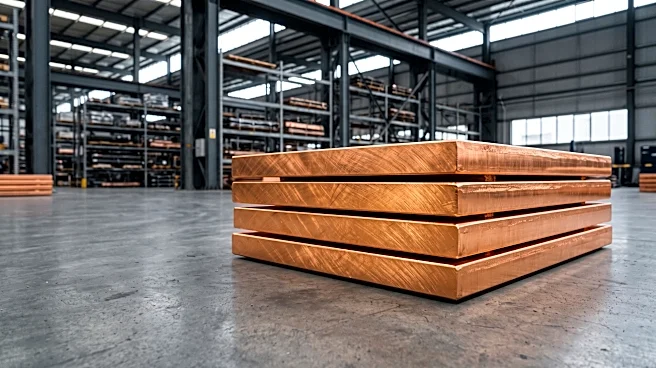
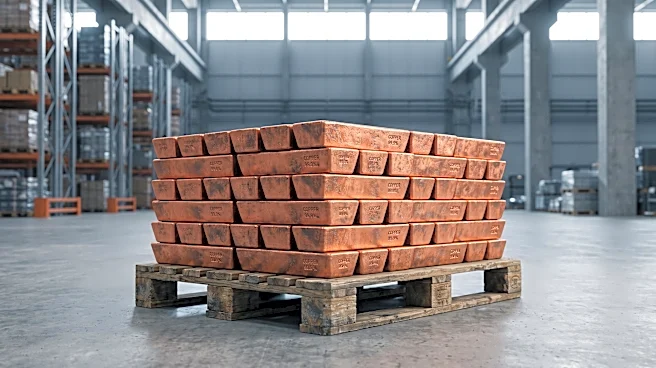
Cardano (ADA) holders have overwhelmingly rejected a $5 million proposal from Toto Finance to tokenize copper on the blockchain. The proposal sought to withdraw 22 million ADA tokens from the network's treasury to establish a Cardano Strategic Copper
Reserve, held in a U.S. warehouse and tokenized on Ethereum. The metal was intended to be sold after 18 to 24 months. According to DRep Votes, only 0.51% of votes supported the proposal, falling significantly short of the required 67%. None of the seven Constitutional Committee members approved it. Key reasons for the rejection included concerns over fee allocation, with representatives noting that only two-thirds of the fees would be used to purchase copper, and a lack of clear custody protection for the assets. Some representatives also opposed venturing into a private commodity, and there were concerns about protecting Cardano's spending cap, as the copper treasury would consume approximately half of the remaining budget.
Why It's Important?
This rejection highlights the robust governance mechanisms within the Cardano ecosystem and sets a precedent for future real-world asset (RWA) tokenization proposals, demanding higher accountability and clearer terms. The decision reflects a community-driven effort to safeguard the network's treasury and ensure prudent financial management. For the broader cryptocurrency market, it underscores the growing scrutiny and due diligence applied to projects seeking to bridge traditional assets with blockchain technology. The rejection also indicates a cautious approach by Cardano holders towards ventures that might expose the treasury to commodity price volatility and storage fees without adequate safeguards. This could influence how other blockchain platforms approach similar tokenization initiatives, emphasizing transparency, clear custody solutions, and a well-defined value proposition for the underlying network.
What's Next?
The rejection of this proposal is likely to lead to increased scrutiny and higher accountability requirements for any future RWA proposals within the Cardano ecosystem. Proponents of tokenized commodities may need to present more detailed plans addressing custody, fee structures, and risk mitigation to gain community approval. While some users suggest that a copper supplier could back tokens with existing metal, thereby avoiding direct treasury exposure to storage fees and price swings, the immediate impact on ADA's price is being observed. The altcoin is currently testing the $0.14 demand zone after failing to maintain the $0.19 level, with capital flowing out as indicated by the CMF. The Stochastic RSI, however, hints at a potential bullish reversal, suggesting that the market's reaction to this governance decision will be crucial in determining ADA's short-term price movement.
Beyond the Headlines
The rejection of the copper tokenization proposal delves deeper into the philosophical underpinnings of decentralized governance and the role of community in shaping a blockchain's strategic direction. It raises questions about the balance between innovation and risk aversion within a decentralized autonomous organization (DAO). While tokenizing real-world assets is seen as a significant growth area for blockchain, this event demonstrates that not all such proposals will be accepted without rigorous examination of their financial prudence, security, and alignment with the community's long-term vision. The emphasis on protecting the treasury and ensuring clear custody protection reflects a maturing ecosystem where participants are increasingly sophisticated in evaluating complex financial instruments and their potential impact on the network's stability and reputation. This could foster a more responsible and sustainable approach to RWA tokenization across the blockchain industry.