







What's Happening?
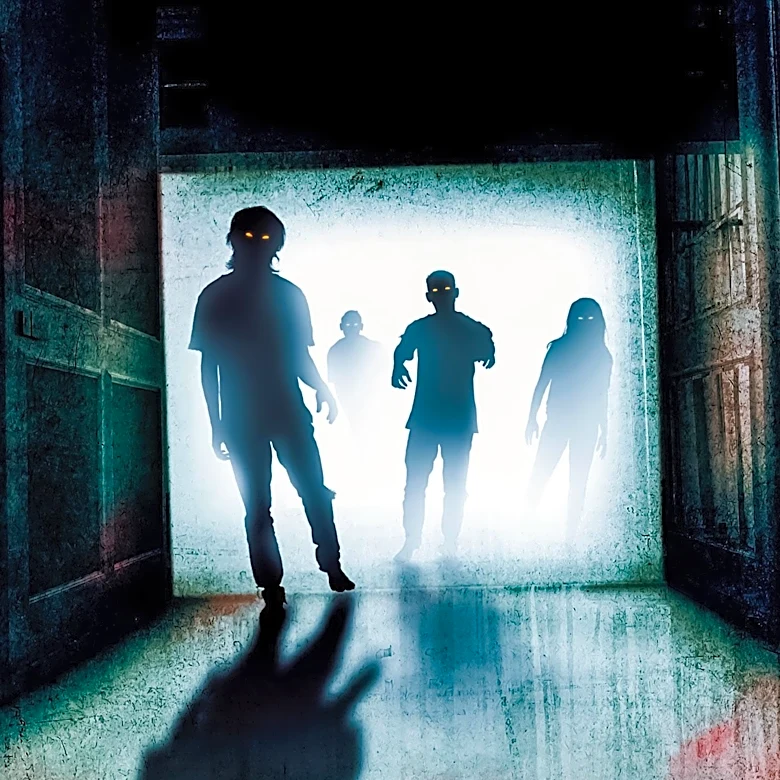
Kino Lorber distributed 'Black Zombie,' a new documentary by Maya Annik Bedward, which delves into the real-world origins of the zombie figure and its connection to Haitian Vodou. The film explores how the concept of zombies emerged from the horrors of enslavement
and how Haitian Vodou, a deeply spiritual practice, has been historically misunderstood and demonized in popular culture. The documentary is structured into chapters, tracing the narrative from 1790s Saint-Domingue (Haiti) and the influence of William Seabrook's 1929 book 'The Magic Island' and its adaptation into the 1932 film 'White Zombie.' It also examines the shift in zombie portrayal with George A. Romero's films and the continued return to Haitian themes in later works like 'The Serpent and the Rainbow.' The film features interviews with experts such as horror author Tananarive Due, special effects artist Tom Savini, and musician Slash, aiming to educate and illuminate while remaining entertaining.
Why It's Important?
The distribution of 'Black Zombie' by Kino Lorber is important because it offers a critical re-evaluation of a pervasive horror trope, providing essential historical and cultural context often missing from mainstream portrayals. By tracing the zombie's origins to the realities of enslavement and the misrepresentation of Haitian Vodou, the documentary challenges audiences to reconsider deeply ingrained stereotypes. This reframing is crucial for fostering a more nuanced understanding of cultural appropriation in entertainment and the lasting impact of colonial narratives. The film highlights how the 'fear of natives' and racist frameworks contributed to the demonization of Black religion and people, making it a significant contribution to discussions on race, representation, and the ethics of storytelling in popular culture.
Beyond the Headlines
Beyond its immediate subject matter, 'Black Zombie' touches upon broader implications concerning media literacy and cultural sensitivity. The documentary implicitly argues for a more responsible approach to depicting diverse cultures and histories in entertainment. It reveals how seemingly innocuous horror tropes can perpetuate harmful stereotypes and contribute to the marginalization of communities. The film's exploration of how authors and filmmakers, even those with good intentions, can inadvertently reinforce problematic narratives, serves as a powerful lesson for creators and consumers alike. By encouraging viewers to question the origins and implications of popular cultural phenomena, 'Black Zombie' promotes a deeper engagement with media, fostering a more critical and empathetic understanding of the world.