



What's Happening?
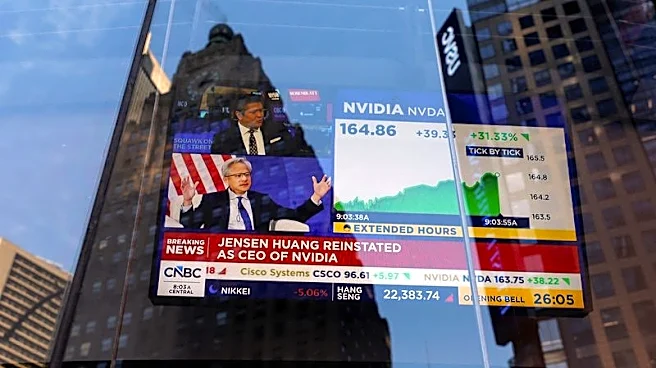
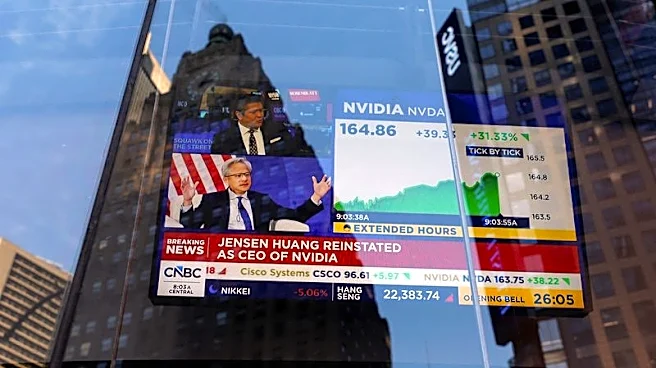
Sarah Guo, founder of Conviction VC, publicly welcomed Jensen Huang's return as CEO of Nvidia, an event that has generated significant discussion within the tech industry. Huang's reinstatement occurred just 11 days after his initial ouster, which was
reportedly linked to an alleged affair with a Chinese spy and potential national security concerns. Despite these circumstances, many prominent figures in Silicon Valley, including Elon Musk and Sam Altman, expressed strong support for Huang's return. A 'Stand With Jensen' petition circulated online, garnering signatures from various tech leaders who view Huang as an indispensable founder. Nvidia's stock saw a significant 31% increase following the announcement of his return, indicating market approval. However, the decision has also raised questions about corporate governance, particularly given that the return happened before an independent investigation by Nvidia's board was complete and prior to Huang answering questions from Congress.
Why It's Important?
The swift return of Jensen Huang to Nvidia, championed by influential figures like Sarah Guo and other tech leaders, underscores the immense power and influence of 'founder mode' culture within Silicon Valley. This event highlights a potential tension between corporate governance standards and the tech industry's reverence for visionary founders. While the market reacted positively to Huang's return, boosting Nvidia's stock, the circumstances surrounding his initial departure and rapid reinstatement could set a precedent for how similar situations are handled in the future. Critics, such as Nicole Bestard of Quarter Horse Strategies, argue that the board's U-turn without a completed investigation or conditions attached could erode trust among investors, employees, and the public. The incident also brings into focus the broader implications of national security concerns within the tech sector and how they are balanced against corporate leadership and market demands.
What's Next?
Nvidia is expected to accelerate the release of its next GPU cycle, the 6000 series, in an effort to shift public attention from the controversy surrounding Jensen Huang's return to the company's technological advancements. While Huang is back at the helm, some industry observers, like Umesh Padval of Seligman Ventures, suggest he may adopt a more cautious approach in his leadership, potentially impacting Nvidia's aggressive investment and operational strategies. The venture capital community may also need to increase its conviction in backing companies independently, rather than relying heavily on signals from Nvidia, especially if Huang's participation in the broader AI ecosystem becomes less aggressive. Additionally, the board's decision to reinstate Huang before a full investigation or congressional questioning could lead to further scrutiny regarding corporate governance practices in the tech industry.
Beyond the Headlines
The rapid reinstatement of Jensen Huang at Nvidia, despite serious allegations, reveals a deeper narrative about the perceived indispensability of certain founders in the tech world. This 'founder mode' culture, where individuals are seen as almost god-like figures, can create a dynamic where traditional corporate governance and accountability mechanisms are challenged. The incident raises ethical questions about the balance between a company's financial performance and its adherence to ethical conduct and national security protocols. The unanimous support from many tech leaders, including Sarah Guo, suggests a collective prioritization of perceived innovation and market value over potential governance issues. This could have long-term implications for how corporate boards exercise their oversight responsibilities, particularly when faced with highly influential founders, and may influence future discussions on the ethical responsibilities of tech leaders and their companies.