





What's Happening?
Meyenberg International Group (MIG), a Canada-based investment advisory firm, and Nextsys, S.A. de C.V., a Mexican company associated with the Muuk Karant project, have formed a strategic alliance. This collaboration aims to connect Canadian global investors
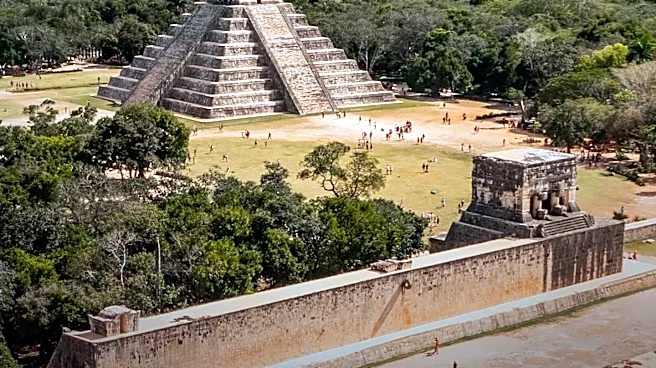
with the Muuk Karant real estate development in Mexico's Yucatán Peninsula. The project is designed to offer residential living, wellness, nature, culture, and investment opportunities. The alliance seeks to strengthen business ties between Canada and Mexico and provide international buyers and investors with coordinated support, local knowledge, and a clearer pathway for evaluating opportunities within the development. Alejandro Meyenberg, CEO of MIG, highlighted the continued Canadian interest in Mexico and Yucatán's growing appeal as an investment and lifestyle destination. Thierry Vicente, a Canadian investor, emphasized the project's potential to strengthen Canada-Mexico ties through mutually beneficial investment, while Jaime Trejo, CEO of Nextsys, noted Muuk Karant's vision as a welcoming destination for Canadians valuing Mexican culture and climate.
Why It's Important?
This strategic alliance is important as it facilitates cross-border investment and promotes economic development in the Yucatán Peninsula. For Canadian investors, it opens a new gateway to real estate opportunities that combine lifestyle, wellness, sustainability, and long-term value, potentially diversifying their international portfolios. The collaboration provides a structured and supported entry point into the Mexican market, addressing potential challenges related to unfamiliar legal, commercial, and cultural considerations. For Mexico, particularly the Yucatán region, this influx of international investment can stimulate local economic activity through development, services, and future operations. It also enhances the region's profile as a desirable destination for residential living, second-home ownership, and lifestyle investments, contributing to its tourism and hospitality sectors. The project's focus on integrating contemporary design with ecological and cultural elements could also set a precedent for sustainable real estate development in the region.
What's Next?
The immediate next steps involve promoting the Muuk Karant development to international buyers and investors, particularly in Canada, through the coordinated efforts of Meyenberg International Group and Nextsys. Prospective buyers and investors can expect personalized support in both Canada and Mexico, bilingual communication, and local commercial guidance. The project aims to attract Canadian retirees, seasonal residents, international investors seeking diversification, professionals desiring lifestyle flexibility, and families interested in vacation or second-home ownership. The long-term vision includes combining contemporary comfort with cultural authenticity and environmental awareness to create an environment that supports quality of life, well-being, and sustainable long-term value. The success of this alliance could lead to further similar collaborations, strengthening commercial and investment ties between Canada and Mexico and potentially inspiring other international real estate ventures in the region.
Beyond the Headlines
Beyond the immediate investment opportunities, this alliance highlights a broader trend of international real estate investment driven by changing lifestyle preferences and the search for diversified portfolios. The emphasis on wellness, nature, and cultural integration within the Muuk Karant project reflects a growing demand for properties that offer more than just a residence, catering to a holistic lifestyle. This development could also influence urban planning and environmental policies in the Yucatán, as it aims to integrate development with respect for the surrounding environment. The collaboration underscores the increasing interconnectedness of global economies and the role of strategic partnerships in navigating international markets. It also raises questions about the balance between attracting foreign investment and preserving local culture and ecosystems, as well as the long-term socio-economic impacts on the local population.