






What's Happening?
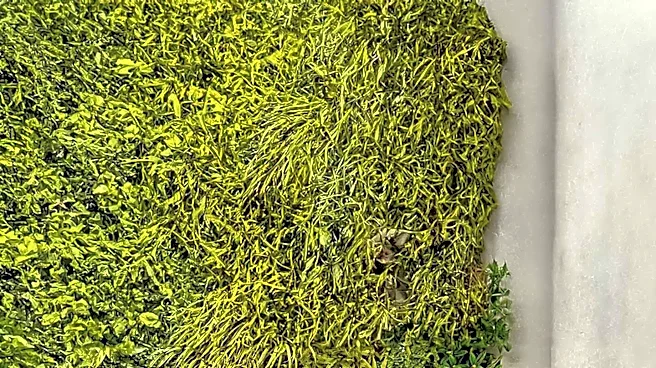
Vertical gardens, also known as living walls, are increasingly being adopted for their ability to integrate nature with modern design. These installations enhance visual appeal, improve air quality, and offer natural insulation. They are particularly
effective in urban environments or spaces with limited floor area, such as apartments and narrow hallways. The success of a vertical garden relies on selecting appropriate plants that can thrive in the specific indoor or outdoor conditions. Proper maintenance, often simplified by hydroponic systems, ensures the plants remain healthy and vibrant throughout the seasons. These systems minimize water usage while promoting plant growth. Vertical gardens can be customized with various plant selections to create unique patterns and textures, transforming otherwise dull spaces into dynamic green displays.
Why It's Important?
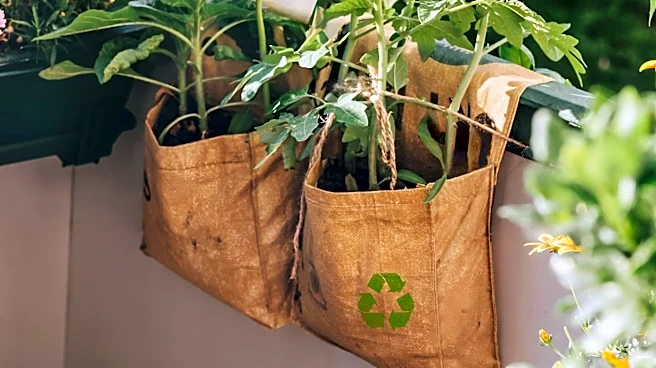
The growing trend of vertical gardens signifies a broader shift towards sustainable and aesthetically pleasing urban living solutions. For individuals and businesses in densely populated areas, these living walls offer a practical way to introduce greenery where traditional gardening is not feasible. The environmental benefits, such as improved air quality and natural insulation, contribute to healthier indoor environments and potentially reduced energy consumption for heating and cooling. This can lead to cost savings for property owners and a better quality of life for occupants. Furthermore, the integration of nature into urban settings can have positive psychological impacts, fostering a sense of well-being and connection to the natural world. The adaptability of vertical gardens, from simple wall-mounted trellises to complex hydroponic systems, makes them accessible to a wide range of consumers and applications.
What's Next?
The continued innovation in vertical gardening technology, including advanced hydroponic systems and smart irrigation, is expected to make these installations even more efficient and easier to maintain. Manufacturers are likely to develop more modular and customizable vertical garden kits, catering to diverse aesthetic preferences and space constraints. The integration of sensors for soil moisture and other environmental factors will further automate care, making vertical gardening accessible to those with limited gardening experience. As awareness of environmental benefits grows, more urban planning and architectural designs may incorporate living walls as standard features, contributing to urban renaturalization efforts. This could lead to increased demand for specialized plant varieties suitable for vertical growth and for professional installation and maintenance services.
Beyond the Headlines
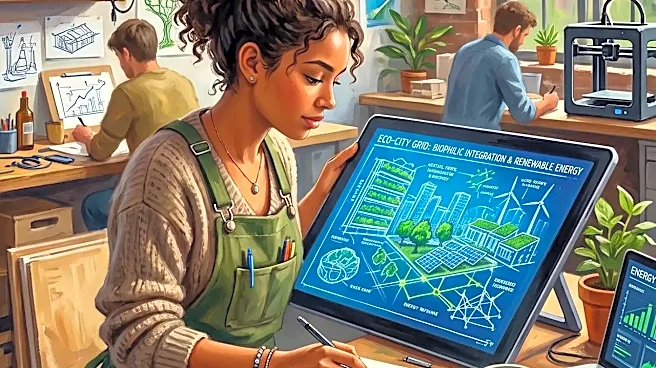
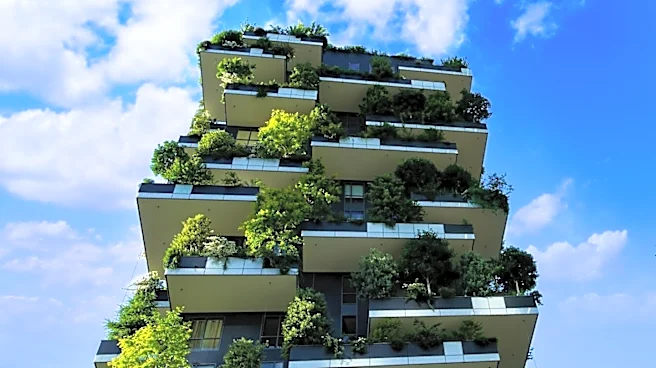
Beyond their immediate aesthetic and environmental advantages, vertical gardens represent a deeper cultural movement towards biophilic design, which seeks to connect humans with nature within built environments. This approach acknowledges the inherent human need for nature and its positive effects on mental and physical health. The widespread adoption of vertical gardens could foster a greater appreciation for biodiversity and sustainable practices in urban populations. Ethically, these systems encourage responsible resource management, particularly water conservation through efficient irrigation methods. Legally, as vertical gardens become more common, there may be a need for new building codes or regulations to ensure proper installation, maintenance, and safety, especially for large-scale public installations. Culturally, they transform urban landscapes, making cities greener and more inviting, potentially influencing public art and community engagement with nature.