
What's Happening?
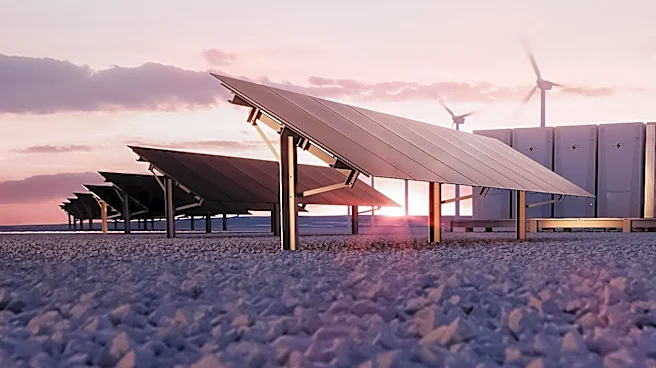
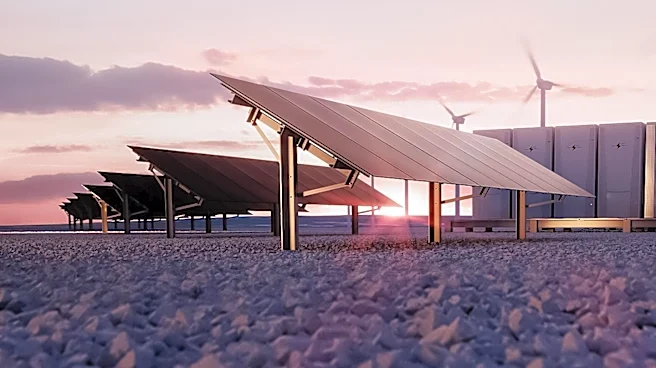
Abu Dhabi clean energy company Masdar has announced the completion of its $950 million Lockhart Solar and Storage complex in California. This significant project, developed in partnership with Terra-Gen,
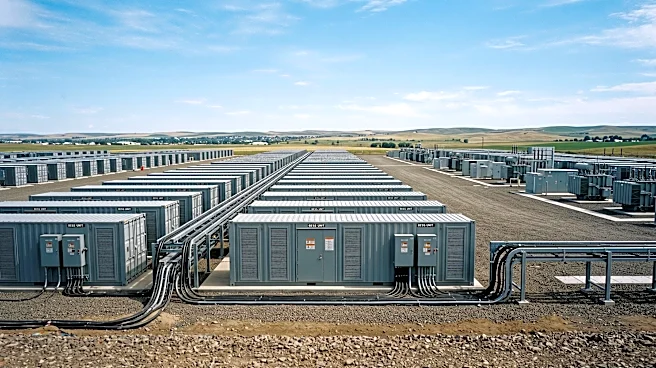
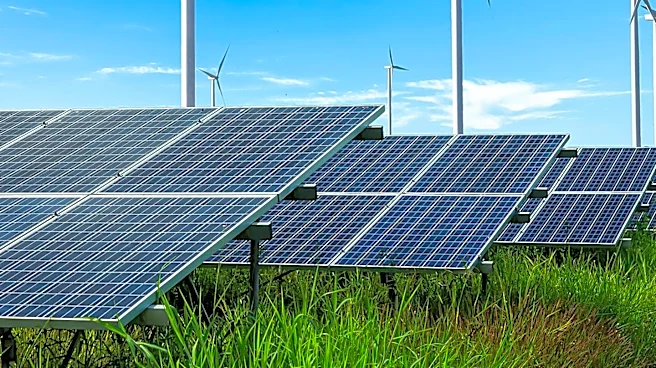
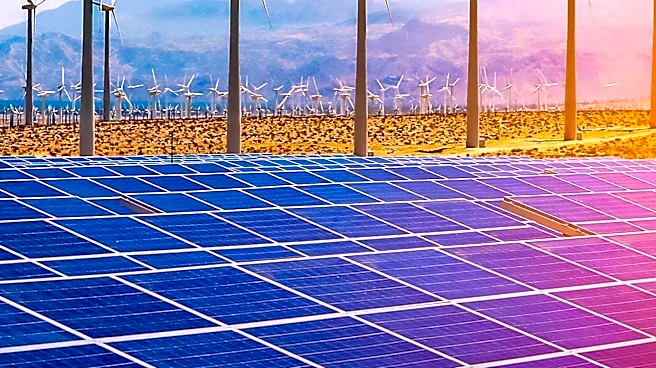
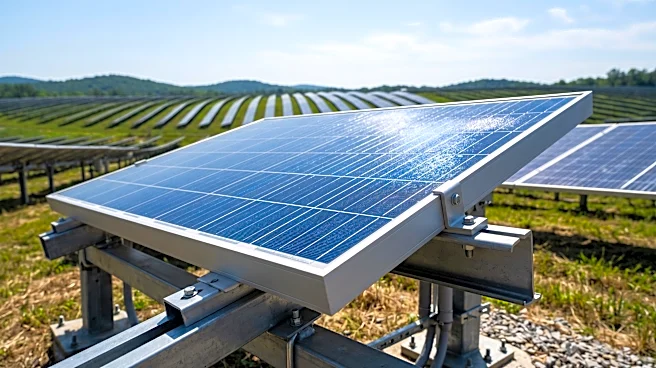
adds 365 MW of solar photovoltaic generation and 173.7 MW of battery energy storage systems to the U.S. grid. The facility is designed to generate enough electricity to power approximately 350,000 homes and businesses annually. The multi-year construction effort created over 1,000 peak on-site construction jobs and accumulated around 880,000 working hours. The project is expected to generate more than $40 million in local property tax revenue and direct community benefit funds over its operational lifespan. Its commercial operations are supported by long-term power purchase agreements with California load-serving entities and corporate offtake agreements.
Why It's Important?
The completion of the Lockhart complex marks a substantial boost to California's renewable energy capacity and grid stability, aligning with the state's ambitious clean energy goals. This project demonstrates the growing trend of integrating battery storage with solar generation, which is crucial for addressing the intermittency of renewable sources and ensuring reliable power supply. The significant investment by Masdar, with plans for an additional $20 billion in the U.S. market over the next decade, underscores the attractiveness of the U.S. renewable energy sector for international investors. The project's economic impact, including job creation and tax revenues, highlights the broader benefits of large-scale renewable energy developments for local communities and regional economies. It also addresses the surging power demand driven by commercial data centers, industrial electrification, and domestic manufacturing growth.
What's Next?
Masdar aims to expand its U.S. renewable energy portfolio to as much as 25 GW by 2030, indicating a continued focus on large-scale solar and storage projects across the country. This expansion will likely involve further investments and partnerships, contributing to the growth of the U.S. clean energy sector. The success of projects like Lockhart will serve as a model for future developments, particularly in states with high renewable energy targets and increasing electricity demand. The integration of solar and battery storage is expected to become a standard for new utility-scale projects, enhancing grid resilience and enabling a more efficient transition away from fossil fuels. The company's global target of 100 GW portfolio capacity by the end of the decade suggests a sustained commitment to clean energy development worldwide.
Beyond the Headlines
The Lockhart project exemplifies the increasing globalization of the renewable energy industry, with international companies playing a pivotal role in the U.S. energy transition. This cross-border investment not only brings capital but also expertise and technological advancements, accelerating the deployment of clean energy solutions. The project's emphasis on both solar generation and battery storage reflects a maturing understanding of renewable energy systems, moving beyond simple generation to comprehensive grid integration. This holistic approach is essential for overcoming the challenges of renewable energy adoption and ensuring a stable, sustainable energy future. The long-term economic benefits, including tax revenues and community funds, illustrate how large-scale infrastructure projects can contribute to local prosperity while addressing global environmental concerns.