





What's Happening?
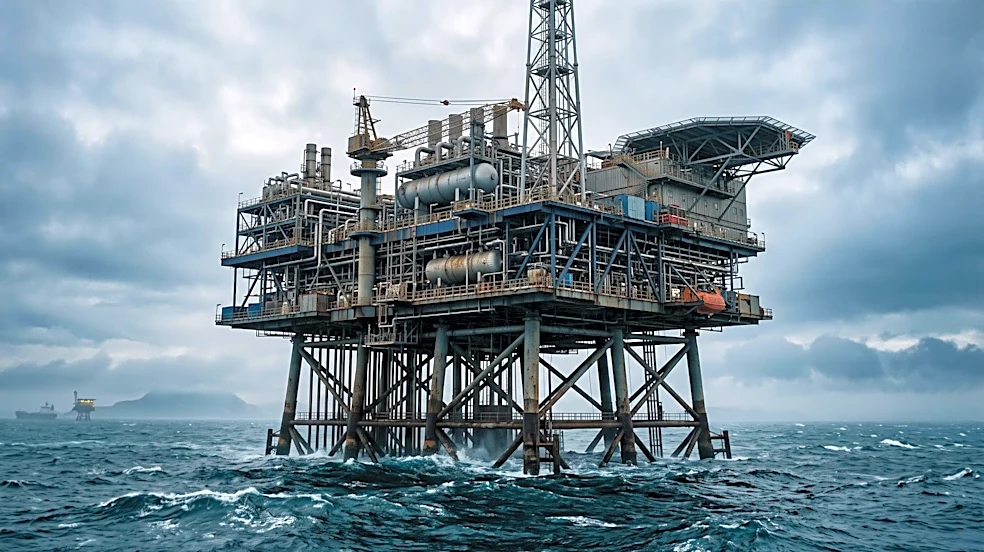
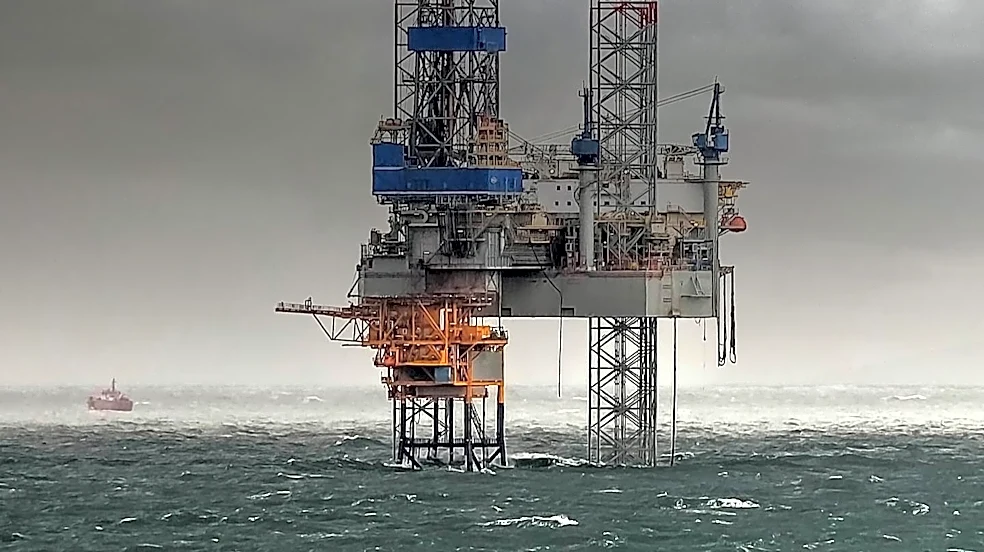
ConocoPhillips (NYSE:COP) is maintaining its position in the oil and gas sector by focusing on exploration and production, a strategy that helps cushion the impact of fluctuating crude oil prices. Unlike fully integrated energy companies, ConocoPhillips concentrates
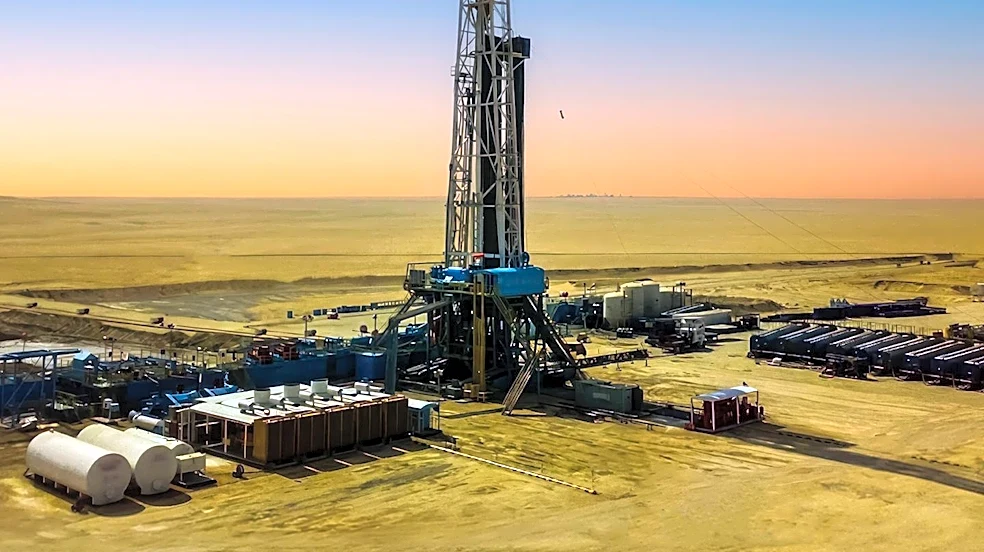
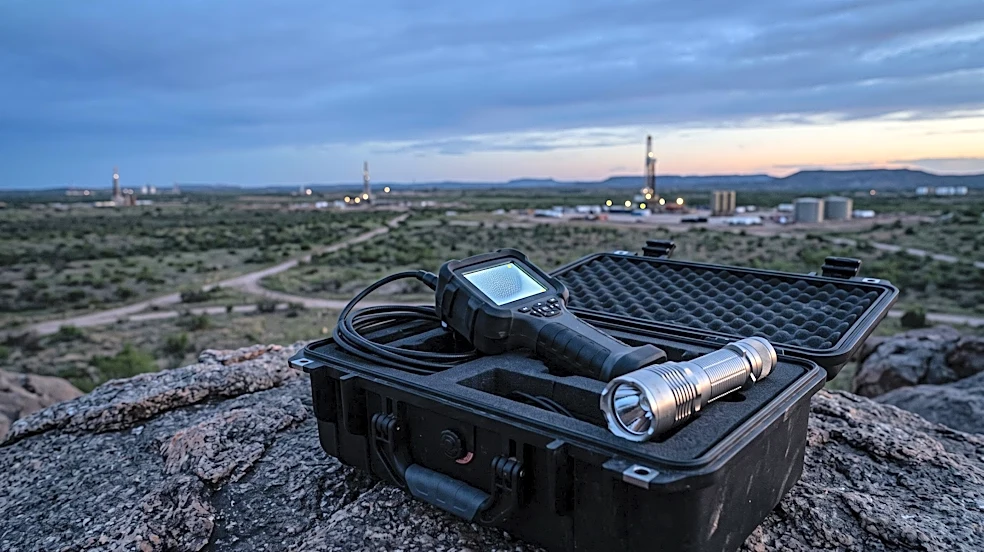
solely on finding and pumping crude and natural gas, making its fortunes more directly tied to the price producers receive per barrel. The company's approach is built on a deep inventory of low-cost barrels, allowing it to remain profitable even when crude prices soften. These low break-even wells ensure cash flow stability during market downturns. ConocoPhillips' U.S. onshore operations, particularly in the Permian Basin and other major shale plays, form the core of its production, offering flexibility to adjust activity levels with price swings. Beyond the U.S., the company has a global reach, including ventures in liquefied natural gas (LNG), which provides diversification and exposure to demand that doesn't always move in lockstep with crude.
Why It's Important?
ConocoPhillips' focused upstream model and emphasis on low-cost barrels are crucial for its resilience in the volatile energy market. By concentrating on exploration and production, the company can channel capital and attention into maximizing efficiency and scale in the fields, rather than spreading resources across refining and chemicals. This strategy allows ConocoPhillips to maintain profitability even when crude prices decline, a significant advantage in an industry prone to cyclical shifts. The flexibility offered by short-cycle shale operations in the U.S. enables rapid adjustments to production in response to market conditions. Furthermore, the company's global presence and involvement in LNG provide a diversified revenue stream, mitigating risks associated with reliance on a single commodity or region. This strategic positioning is vital for long-term stability and sustained cash flow, benefiting both the company and its investors by offering a clearer, more direct exposure to the upstream segment of the oil and gas sector.
What's Next?
ConocoPhillips will continue to leverage its low-cost barrel inventory and flexible production capabilities to navigate ongoing crude price fluctuations. The company's strategic focus on efficient exploration and production, particularly in its U.S. onshore operations, will remain a priority. Expansion into global LNG markets is expected to further diversify its revenue streams and provide additional stability. Investors and market observers will closely monitor crude oil prices and global energy demand, as these factors directly influence ConocoPhillips' profitability. The company's ability to maintain cost discipline and adapt its production levels in response to market signals will be key to its continued success. Future developments in its international ventures and LNG projects will also be critical indicators of its growth trajectory and resilience in the evolving energy landscape.
Beyond the Headlines
ConocoPhillips' business model highlights a significant trend in the energy industry: the strategic unbundling of operations to focus on core competencies. While integrated majors offer a hedge against commodity price swings through diverse operations, pure upstream players like ConocoPhillips aim for maximum efficiency and profitability in a specific segment. This specialization allows for greater agility and a more direct response to market signals, but also exposes the company more directly to the risks of commodity price volatility. The emphasis on low-cost barrels and flexible shale production reflects a broader industry shift towards capital efficiency and disciplined spending, moving away from the rapid expansion seen in earlier cycles. This approach has implications for energy security, as it prioritizes stable, cost-effective production, and for environmental considerations, as efficient extraction can reduce the overall footprint per barrel. The success of this model will continue to influence investment strategies and operational practices across the global oil and gas sector.