




What's Happening?
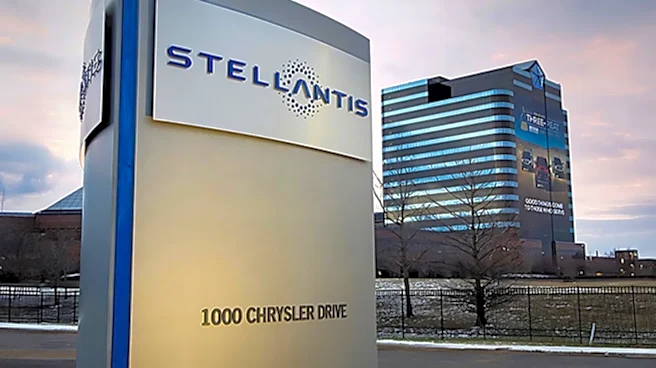
Four major automakers—Stellantis, Ford, Honda, and Volkswagen—have filed a lawsuit against the state of New Jersey. The lawsuit challenges the Motor Vehicle Open Recall Notice and Fair Compensation Act, a new law that the automakers claim allows dealerships
to inflate labor charges for warranty and recall repairs. This legal action highlights a growing tension between vehicle manufacturers and dealerships regarding compensation for service work. The automakers argue that the act could lead to unreasonable costs and potentially impact consumers through higher prices or reduced service availability. The core of the dispute revolves around the fair compensation for the time and resources dealerships expend on warranty and recall-related services, which are typically reimbursed by the manufacturers.
Why It's Important?
This lawsuit carries significant implications for the automotive industry and consumers in the U.S. If the New Jersey law is upheld, it could set a precedent for other states to enact similar legislation, potentially leading to a patchwork of regulations across the country. For automakers, this could result in increased operational costs, which might be passed on to consumers in the form of higher vehicle prices or service charges. Dealerships, on the other hand, stand to gain from potentially higher reimbursement rates for warranty and recall work, which they argue is necessary to cover their operational expenses and ensure quality service. The outcome of this case could influence the financial dynamics between manufacturers and their dealer networks nationwide, affecting profitability and consumer affordability in the automotive sector.
What's Next?
The lawsuit will proceed through the New Jersey court system, where both sides will present their arguments regarding the legality and economic impact of the Motor Vehicle Open Recall Notice and Fair Compensation Act. The automakers will likely emphasize the potential for inflated costs and the disruption to their established compensation models. Conversely, New Jersey and the dealerships supporting the law will likely argue for the necessity of fair compensation to ensure dealerships can adequately perform recall and warranty services, thereby protecting consumers. The court's decision could either affirm the state's right to regulate these compensation structures or side with the automakers, potentially leading to an appeal process. The resolution of this case could influence legislative efforts in other states considering similar measures.
Beyond the Headlines
Beyond the immediate financial implications, this lawsuit touches upon the broader power dynamics within the automotive industry. It highlights the ongoing struggle between manufacturers, who seek to control costs and maintain standardized practices, and dealerships, who often advocate for greater autonomy and fair compensation for their services. This legal challenge could also bring into focus the role of state legislatures in regulating business practices that have national implications. The outcome may influence how future recall and warranty programs are structured and funded, potentially leading to new industry standards or increased lobbying efforts from both manufacturers and dealer associations to shape favorable legislation. It underscores the complex interplay of state law, federal regulations, and industry economics in the U.S. automotive market.