





What's Happening?
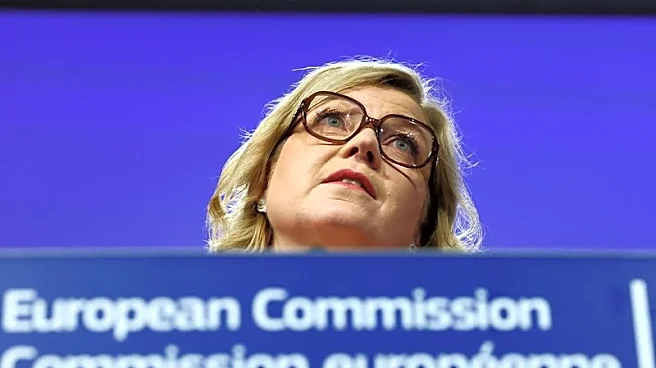
On November 25, 2026, the European Commission introduced its proposal for a regulation known as the Quantum Act. This legislative framework aims to transform Europe's potential in quantum research into industrial capacity, products, and services. The
proposal also includes the establishment of a new financial instrument, the Sovereign Tech Equity Fund (STEF), designed for equity investments in technologies crucial for Europe's technological sovereignty and economic security, encompassing quantum and artificial intelligence. The Quantum Act follows the Quantum Europe Strategy of July 2025, which set a goal for the EU to become a global leader in quantum technologies by 2030. The Act does not directly regulate quantum technologies, which are still evolving, but rather focuses on creating supportive conditions through obligations for Member States and public administrations. These obligations include developing national strategies, establishing competence centers, and implementing specific procurement requirements to support research and infrastructure, while preparing for the transition to post-quantum cryptography.
Why It's Important?
The Quantum Act is significant as it seeks to position Europe as a global leader in quantum technologies, an area where it currently holds a strong competitive position, unlike in artificial intelligence. Data from the Commission indicates that Europe hosts one-third of the world's quantum sector companies and ranks second globally in quantum patent families, trailing only the United States. The Act aims to prevent Europe from remaining solely a research hub and instead foster an industrial ecosystem capable of developing, financing, producing, and utilizing secure and strategically autonomous quantum technologies. The establishment of the STEF is crucial for addressing the substantial financing needs of the European quantum sector, estimated at EUR 50-60 billion, primarily in risk capital for startups, scale-ups, and large industrial projects. This initiative could attract significant private capital and ensure that Europe's innovation in quantum technologies receives adequate growth funding, thereby bolstering its technological sovereignty and economic security.
What's Next?
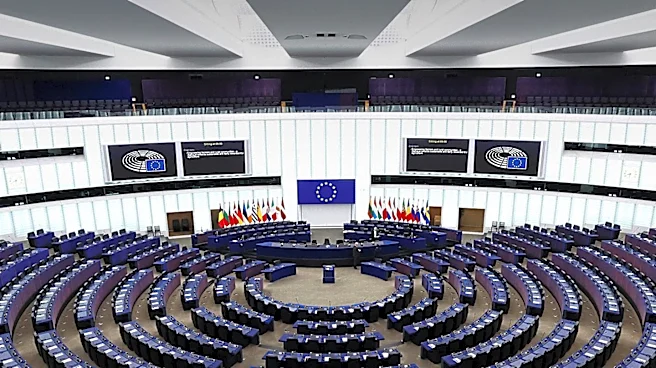
The proposed Quantum Act will now undergo examination by the European Parliament and the Council. If approved, Member States will be required to adopt national quantum strategies consistent with common EU priorities or align existing ones, notifying the Commission within six months of the Act's entry into force. The implementation of the Act will primarily be entrusted to the EuroHPC Joint Undertaking. A Quantum Strategy Board, comprising Member State representatives and chaired by the Commission, will ensure coordination, while a European Quantum Alliance will bring together operators across the value chain. Resources for the Act's implementation will be defined within the 2028-2034 Multiannual Financial Framework, with an estimated EU program contribution of EUR 5.2 to 6.1 billion, potentially mobilizing EUR 12.9 to 18.1 billion with Member State and industry participation. The STEF is intended to become operational at the start of the next Multiannual Financial Framework (2028-2034).
Beyond the Headlines
The Quantum Act represents a strategic move by the European Union to secure its future technological independence and competitiveness in a rapidly evolving global landscape. By focusing on quantum technologies, which have the potential to revolutionize computing, communication, and sensing, the EU is aiming to avoid the challenges it faces in the AI sector, where it lags behind other global players. The emphasis on post-quantum cryptography within the Act highlights a proactive approach to cybersecurity, anticipating future threats from powerful quantum computers that could break current encryption methods. This forward-thinking regulatory framework, combining research excellence, industrial uptake, and supply chain security, could set a precedent for how other regions approach emerging critical technologies. The creation of the STEF also signals a broader European strategy to foster homegrown technological champions and reduce reliance on external capital and innovation, thereby strengthening its overall economic resilience and strategic autonomy.