





What's Happening?
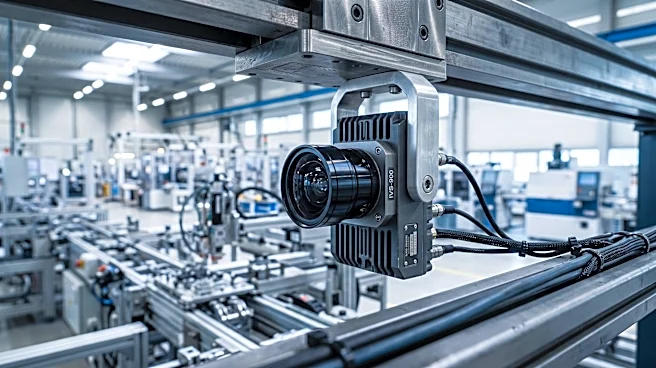
Allus, a Y Combinator startup co-founded by Kai Cui, is tackling the significant data bottleneck hindering the adoption of physical AI in manufacturing. The company utilizes computer vision to monitor operations and workflows, aiming to identify and resolve
inefficiencies while standardizing data for future physical AI training. Cui notes that while there's much discussion about physical AI, its application in manufacturing scenarios is limited due to a lack of standardized data from complex factory processes. Allus offers two main products: AllusOne for quality control and AllusFlow for analyzing and standardizing collected data. The company's models run locally on customer premises, allowing companies to control their proprietary data, though discounts are offered for data sharing to improve base models. Allus, which raised a $6 million seed round in spring 2026, plans to scale its customer base in 2027 and is collaborating with a prominent physical AI company on a physical intelligence platform.
Why It's Important?
The challenge of limited and unstandardized data in manufacturing is a critical barrier to the widespread implementation of physical AI, which promises benefits like labor augmentation, higher throughput, and safer operations. Allus's approach to standardizing this data through computer vision is crucial for unlocking the full potential of physical AI in U.S. manufacturing. By enabling factories to better understand their operations and improve quality and predictability, Allus can contribute to increased efficiency and competitiveness for American industries. The company's bicoastal strategy, leveraging AI talent in Silicon Valley and manufacturing expertise outside the Bay Area, highlights a practical approach to bridging the gap between cutting-edge AI development and industrial application. This development is vital for the U.S. manufacturing sector, which seeks to integrate advanced technologies to maintain global leadership and address labor challenges.
What's Next?
Allus plans to scale its customer base in 2027 and is actively collaborating with a prominent physical AI company to develop a physical intelligence platform. The company will continue to use its recently secured $6 million seed funding for hiring across various teams and further developing its AI technology. The ongoing efforts to standardize manufacturing data are expected to pave the way for more extensive physical AI applications on factory floors, though Kai Cui anticipates it will still take a decade for full integration. As more companies adopt Allus's solutions and potentially share data, the collective intelligence for physical AI in manufacturing will grow, leading to more sophisticated and effective autonomous systems. This trajectory suggests a gradual but significant transformation in how U.S. factories operate, driven by data-driven insights and AI-powered automation.
Beyond the Headlines
The work of Allus touches upon a fundamental challenge in the broader adoption of AI: the need for high-quality, relevant data. While large language models benefit from vast internet data, physical AI, especially in specialized environments like manufacturing, requires bespoke data collection and standardization. This highlights a critical ethical and business consideration: the value of proprietary operational data. Allus's model of offering discounts for data sharing creates an incentive structure that could accelerate AI development while respecting data ownership. This approach could set a precedent for how industrial data is managed and utilized in the age of AI, balancing competitive advantage with collective technological advancement. The long-term impact could be a more resilient and adaptable manufacturing sector, capable of rapid innovation and efficient resource utilization, ultimately strengthening the U.S. industrial base.