





What's Happening?
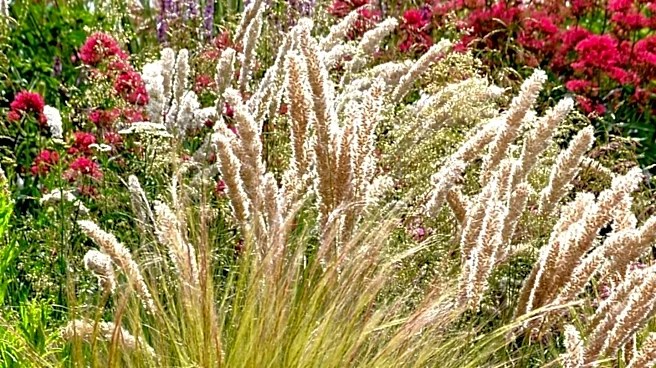
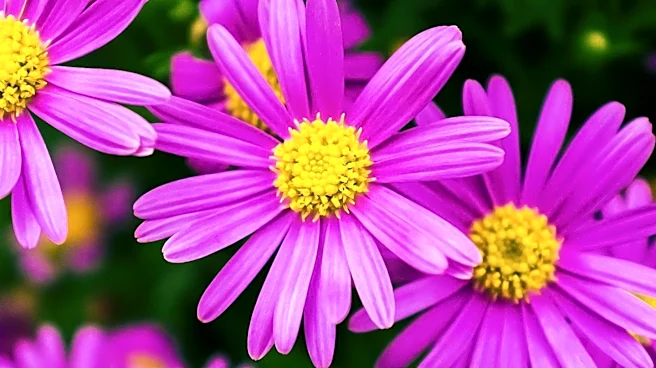
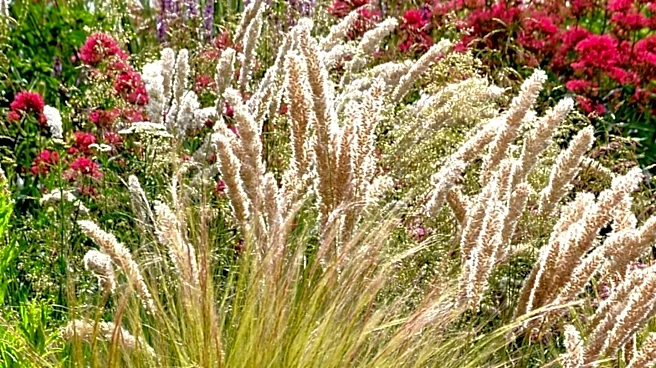
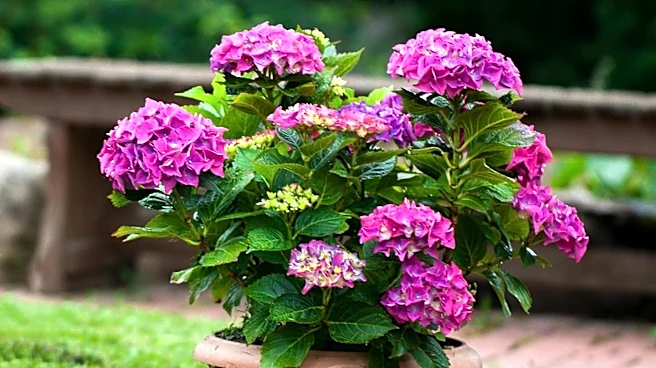
As climate change leads to more frequent droughts, gardeners are turning to drought-resistant plants to maintain vibrant gardens with minimal water use. Experts recommend plants like agapanthus, achillea, sedum, eryngium, and certain herbs such as lavender
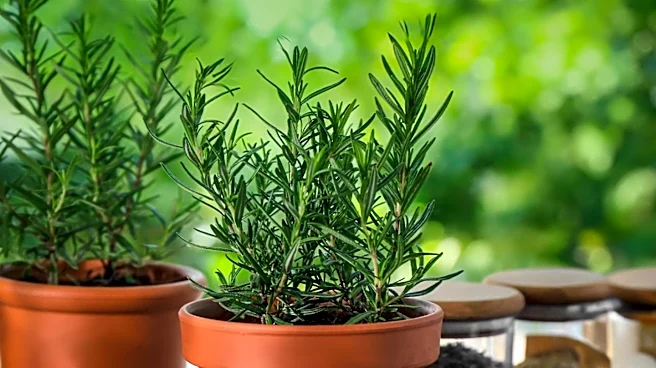
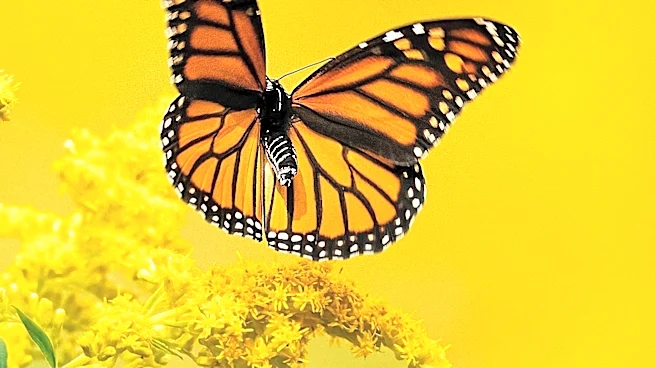
and rosemary. These plants thrive in full sun and well-drained soil, making them ideal for arid conditions. They not only survive but also add aesthetic value to gardens with their colorful blooms and ability to attract pollinators. The use of these plants can help gardeners maintain beautiful landscapes while conserving water.
Why It's Important?
The adoption of drought-resistant plants is crucial in the context of increasing water scarcity and the need for sustainable gardening practices. By choosing plants that require less water, gardeners can significantly reduce their water consumption, contributing to environmental conservation efforts. This approach also supports biodiversity by providing habitats for pollinators and other beneficial insects. Moreover, it offers a practical solution for gardeners facing water restrictions, allowing them to continue enjoying their gardens without compromising on aesthetics or ecological value.
What's Next?
As awareness of water conservation grows, there may be a shift towards more sustainable gardening practices, including the use of drought-resistant plants. This could lead to increased availability and variety of such plants in nurseries and garden centers. Educational initiatives and resources may also emerge to guide gardeners in selecting and caring for drought-tolerant species. Additionally, policy measures could be implemented to encourage water-efficient landscaping, particularly in regions prone to drought.