







What's Happening?
As the days shorten and the colder seasons approach, experts are highlighting specific nutrient-rich foods, often referred to as 'superfoods,' that can significantly contribute to improved mental and physical well-being. According to Cleveland Clinic
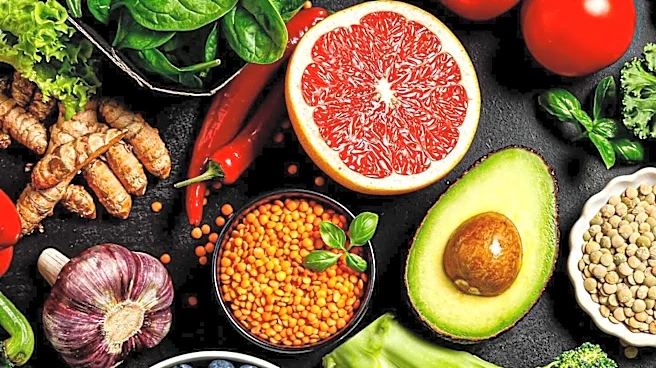
psychologist Susan Albers, the foods we consume impact not only our mood but also our sleep patterns and energy levels throughout the day. These foods contain qualities beneficial to the brain, such as mood-regulating omega-3 fatty acids and essential vitamins and minerals like magnesium and vitamin D. The focus is on combating potential mental strife, including seasonal depression, which affects approximately 13 million Americans. Key recommendations include fatty fish like salmon and tuna for omega-3s, blueberries for antioxidants and gut health, avocados for magnesium, and eggs for vitamin D. These dietary adjustments are presented as accessible ways to support mental health, with many options easily incorporated into daily meals.
Why It's Important?
The emphasis on diet as a tool for mental health is crucial for public health, particularly as seasonal changes can exacerbate conditions like seasonal depression. By identifying specific, accessible foods, this information empowers individuals to take proactive steps in managing their mental well-being. The connection between gut health and mental health, highlighted by the benefits of blueberries and fermented foods, underscores a growing understanding of the body's interconnected systems. Furthermore, addressing deficiencies in nutrients like magnesium and vitamin D, which are common and linked to mood regulation and stress hormones, offers a practical, non-pharmacological approach to mental health support. This guidance can lead to improved quality of life for millions, potentially reducing the burden on healthcare systems and fostering a more resilient population against seasonal affective disorders.
What's Next?
Individuals can begin incorporating these recommended foods into their diets, starting with small, manageable changes. Healthcare providers and nutritionists may increasingly integrate these dietary recommendations into mental health care plans, especially for those susceptible to seasonal mood changes. Public health campaigns could also leverage this information to promote healthier eating habits as a component of overall mental wellness. Further research into the precise mechanisms by which these foods impact brain chemistry and mood could lead to more targeted dietary interventions. Additionally, the food industry might see an increased demand for products rich in these 'mood-boosting' nutrients, potentially influencing product development and marketing strategies.
Beyond the Headlines
This focus on food as medicine extends beyond mere physical health, touching upon the holistic well-being of individuals. It challenges the conventional separation of physical and mental health, advocating for an integrated approach where diet plays a foundational role. The discussion also subtly highlights the impact of modern lifestyles, where reduced sunlight exposure and potentially nutrient-deficient diets contribute to mental health challenges. By promoting natural, food-based solutions, there's a broader implication for fostering self-care and empowering individuals with agency over their health. This approach could also lead to a greater appreciation for sustainable and nutrient-dense food systems, encouraging a shift towards more mindful eating and food production practices.