



What's Happening?
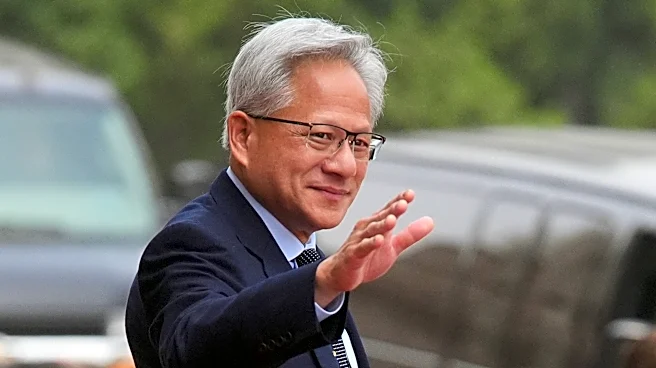
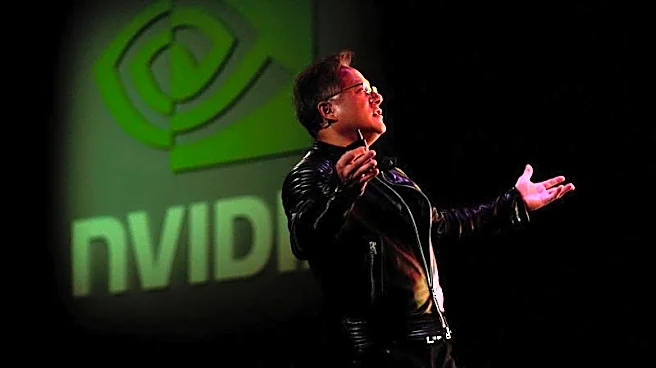
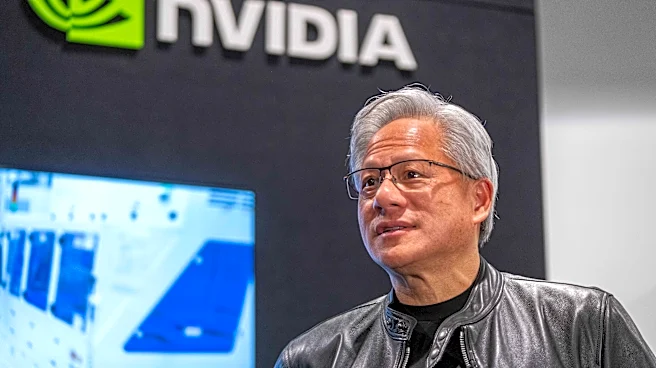
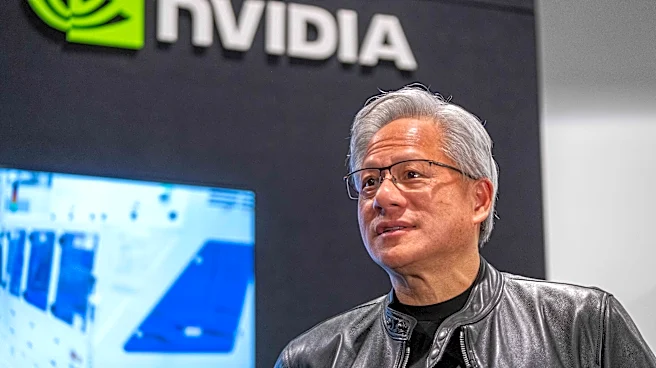
Jensen Huang, founder of Nvidia, has been reinstated as the company's president, CEO, and director by a board resolution on November 23, setting a record for the shortest CEO return to a major U.S.-listed company after departing. Huang had announced his
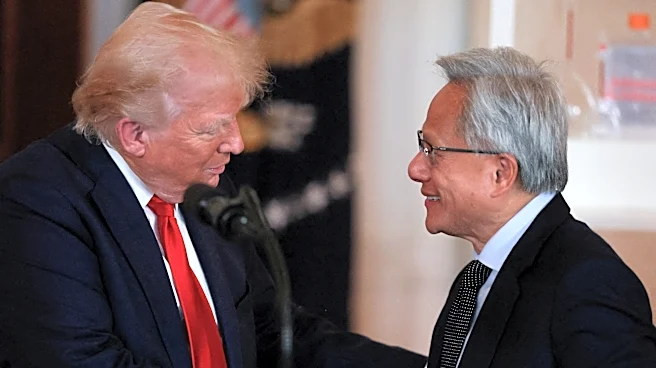
resignation on November 12, which led to an immediate 14% intraday drop in Nvidia's stock, closing down 4.3%. The stock remained under pressure during his absence, declining 23% weekly by November 20. Despite Huang expressing willingness to return on November 18, the board initially hesitated, only agreeing on November 22 and formally announcing his reinstatement the next day. The board cited satisfaction with Huang's candor and leadership, and confirmed no national security risk after consulting senior U.S. government officials. President Trump had publicly called for Huang's return, with support also voiced by Tesla CEO Elon Musk.
Why It's Important?
Huang's swift return and the subsequent 31% intraday surge in Nvidia's shares highlight the significant influence of founder leadership and market confidence in the technology sector. This event underscores the 'founder worship' culture prevalent in Silicon Valley, where founders are often seen as indispensable to their companies' success, even without super-voting shares. The episode demonstrates how external pressure from investors, employees, and even high-profile public figures can sway corporate governance decisions, particularly in critical moments. For investors, the volatility surrounding Huang's brief departure and rapid return illustrates the potential for substantial market reactions to leadership changes, emphasizing the perceived value of a founder's vision and leadership in driving a company's market performance and strategic direction.
What's Next?
The immediate aftermath of Huang's reinstatement will likely involve close monitoring of Nvidia's share price and corporate governance evolution. The board's decision, influenced by market pressure and public support, may set a precedent for how similar leadership crises are handled in other major U.S. technology companies. The incident also draws parallels to the 2023 OpenAI leadership crisis, where Sam Altman was similarly reinstated after a brief ouster due to employee and investor pressure. This trend suggests that the influence of founders and key leaders, coupled with stakeholder reactions, can rapidly alter corporate trajectories. Future discussions around corporate governance in Silicon Valley may increasingly consider the balance between board authority and the powerful 'founder aura' in decision-making processes.
Beyond the Headlines
This event delves into the deeper implications of 'founder worship' within Silicon Valley, where the personal aura and perceived indispensability of founders can override traditional corporate governance structures. The rapid reversal of the board's decision, influenced by market reaction and public figures, suggests a potential shift in power dynamics, where external sentiment can exert significant pressure on corporate boards. It raises questions about the autonomy of boards in making leadership decisions versus the collective influence of stakeholders and public opinion. The incident also highlights the unique challenges faced by publicly traded tech giants, where leadership changes can have immediate and dramatic impacts on market valuation, contrasting with the dynamics of a non-profit startup like OpenAI during its own leadership crisis.