


What's Happening?
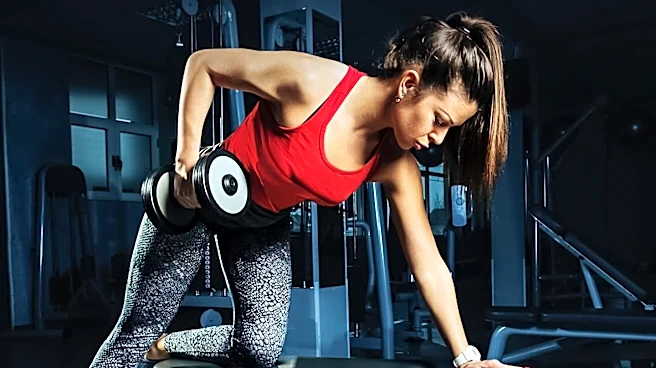
CrossFit, a fitness methodology often perceived as highly intense, is being highlighted by Ortho Rhode Island as a comprehensive approach to long-term health and quality of life. The program focuses on functional movements such as squatting, lifting,
pushing, and pulling, which are integral to daily activities. Its core principle involves constantly varied workouts designed to prevent plateaus, reduce overuse injuries, and engage multiple energy systems. A key aspect of CrossFit is its scalability, allowing adjustments in load, repetitions, movement variations, skill level, and mobility limitations. This adaptability makes it accessible to a wide range of individuals, including children, older adults, beginners, pregnant and post-partum athletes, adaptive athletes, and high-level competitors. The program uniquely blends strength, cardiovascular endurance, power, speed, agility, mobility, balance, and coordination into single workouts, aiming to improve all these fitness domains efficiently.
Why It's Important?
The emphasis on functional training and scalability in CrossFit is significant for public health, particularly in the U.S., where sedentary lifestyles and an aging population contribute to various health challenges. By promoting movements that mirror real-life activities, CrossFit helps individuals maintain independence and improve their capacity for everyday tasks, such as carrying groceries or climbing stairs. The program's focus on improving bone density, lean muscle mass, balance, mobility, cardiovascular health, metabolic function, and cognitive sharpness directly addresses common health concerns associated with aging. This holistic approach to fitness can lead to a reduction in fall risks and an overall enhancement of physical well-being, potentially lowering healthcare costs and improving the quality of life for a diverse demographic. The community aspect of CrossFit also plays a crucial role in adherence, as research indicates that people are more likely to stick with exercise in group settings, fostering sustained health benefits.
What's Next?
As awareness of CrossFit's benefits for longevity and accessibility grows, there may be an increased adoption of its methodologies by a broader demographic, including older adults and individuals new to exercise. Fitness centers and healthcare providers might further integrate scalable, functional training programs into their offerings, potentially leading to more specialized CrossFit classes tailored for specific populations like seniors or those with mobility limitations. The continued collection of data and measurable progress within CrossFit could also inform future exercise guidelines and recommendations, emphasizing the importance of varied, functional movements for long-term health. This could also lead to more collaborations between medical professionals, such as physical therapists, and CrossFit affiliates to promote exercise as a preventative and rehabilitative tool.
Beyond the Headlines
Beyond the immediate physical benefits, CrossFit's community-driven model fosters social connections and accountability, which are vital for mental well-being and sustained engagement in physical activity. In a society increasingly grappling with social isolation, particularly among older adults, the supportive environment of CrossFit gyms can provide a sense of belonging and shared accomplishment. This aspect transcends typical fitness goals, contributing to a more holistic sense of health that includes psychological and emotional benefits. The program's ability to adapt to individual needs also challenges the conventional perception of intense workouts, promoting inclusivity and demonstrating that high-level fitness principles can be modified for anyone, regardless of their starting point. This shift in perception could encourage more people to engage in challenging yet safe physical activities, ultimately leading to a healthier and more active population.