






What's Happening?
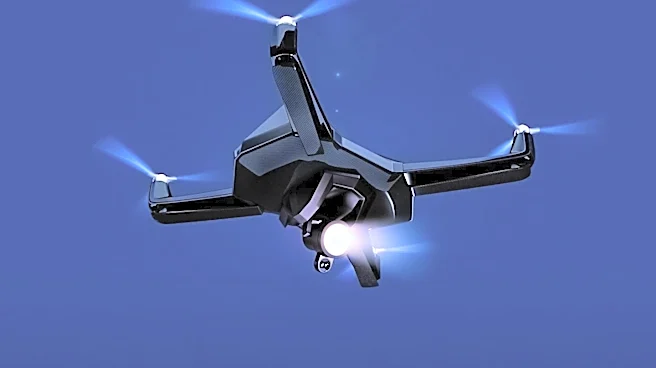
Shield AI, a venture-backed defense-tech company, is actively recruiting a Senior Staff or Staff Engineer specializing in Structural Analysis. This role is crucial for the design, development, integration, and fielding of a next-generation autonomous
aircraft system. The position requires a blend of technical rigor, rapid decision-making, and hands-on engineering to transition concepts into operational capabilities efficiently. The ideal candidate will lead structural analysis efforts for UAV airframes, major substructures, and critical components, defining and executing finite element modeling approaches, load cases, and margin assessments. They will also perform and oversee various analyses, including static, modal, fatigue, vibration, and damage-tolerance, while establishing practices for hand calculations and model validation. The role involves driving structural optimization and supporting structural test strategies, including defining requirements and correlating results to analysis. The company emphasizes the importance of getting meaningful capabilities into the hands of operators quickly.
Why It's Important?
This recruitment highlights the ongoing advancements and investment in autonomous aircraft technology within the U.S. defense sector. Shield AI's mission to protect service members and civilians with intelligent systems underscores the strategic importance of these developments for national security. The demand for highly specialized engineers in structural analysis indicates a critical need for robust and reliable designs in next-generation UAVs. The emphasis on rapid development and operational capability suggests a push to accelerate the deployment of advanced defense technologies, potentially impacting military readiness and operational effectiveness. The role's focus on structural optimization across performance, weight, cost, and manufacturability targets reflects the broader industry trend towards more efficient and cost-effective defense solutions. Success in this area could lead to more capable and resilient autonomous systems, enhancing U.S. defense capabilities and potentially influencing global defense technology trends.
What's Next?
The successful candidate will be instrumental in leading major structural workstreams on aerospace programs, owning analysis execution, mentoring engineers, and influencing key design tradeoffs. This will directly contribute to the development and deployment of Shield AI's next-generation autonomous aircraft systems. The company's continued investment in talent for these critical roles suggests an accelerated timeline for bringing these advanced technologies to market and into operational use. Future developments will likely involve further testing, validation, and eventual integration of these autonomous aircraft into defense operations. The company's global presence and active support for operations worldwide indicate that these technological advancements could have far-reaching implications for international defense strategies and partnerships. The ongoing evolution of analysis methodologies and structural standards within the organization will also shape future aerospace engineering practices.
Beyond the Headlines
The pursuit of advanced autonomous aircraft systems, as evidenced by Shield AI's hiring efforts, raises broader questions about the future of warfare and defense. The increasing reliance on intelligent systems and UAVs could lead to significant shifts in military doctrine and operational strategies. Ethical considerations surrounding autonomous decision-making in combat scenarios will likely become more prominent as these technologies mature. Furthermore, the development of lightweight and highly optimized aerospace structures could have spillover effects into commercial aviation and other industries requiring advanced materials and structural engineering. The emphasis on rapid development and deployment also highlights the competitive landscape in defense technology, where innovation and speed are critical for maintaining a strategic advantage. The need for engineers with strong expertise in FEA tools and composite structures points to a growing demand for specialized skills in the engineering workforce, potentially influencing educational and training programs.