





What's Happening?
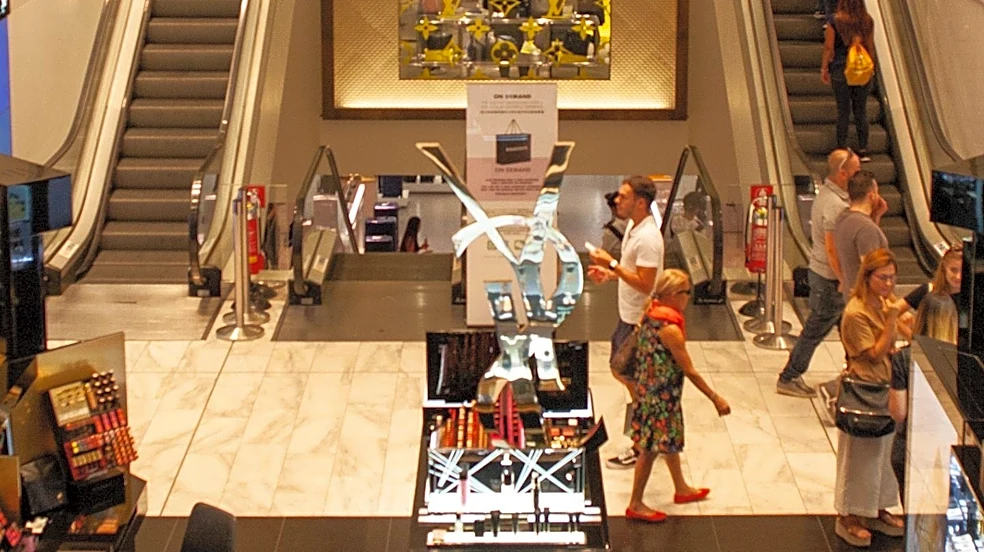
Major beauty brands are significantly increasing their investment in the travel retail sector, also known as Duty Free shopping, for 2026. This strategic focus is evident in partnerships and campaigns aimed at expanding their presence in airports worldwide.
For instance, L’Oréal Travel Retail has collaborated with Avolta to enhance sustainability practices and introduce refillable fragrance formats at international travel hubs. Similarly, L’Occitane-owned Sol de Janeiro launched its largest-ever global travel retail campaign, 'Make Life Cheirosa,' across over 50 airports and 600 retail doors in July. Clarins Travel Retail also partnered with Changi Airport Group and The Shilla Duty Free Singapore to debut the Clarins Beauty Concierge Singapore Edition. This increased investment comes despite concerns about the cost of beauty goods and the rise of 'dupes' in the market.
Why It's Important?
This heightened investment underscores the critical role of travel retail as a vital revenue stream and brand-building platform for the beauty industry. By targeting travelers, brands can reach a diverse international audience with a 'holiday mindset,' making them more receptive to luxury purchases. This strategy helps to mitigate the impact of price sensitivity and the growing popularity of more affordable alternatives in the general market. For consumers, it means enhanced shopping experiences and access to exclusive products or sustainable options like refillable formats in airports. For the beauty industry, it signifies a commitment to a resilient sector that has consistently demonstrated strength against global economic impacts, tariffs, and other challenges, reinforcing its importance in overall business strategies.
What's Next?
The trend of increased investment in travel retail is expected to continue, with more brands likely to follow suit in expanding their airport offerings. This could lead to further innovations in sustainable packaging, exclusive travel retail products, and enhanced in-airport customer experiences. Partnerships between beauty brands and travel experience retailers, similar to L’Oréal and Avolta, are likely to become more common, focusing on both commercial growth and environmental responsibility. The success of campaigns like Sol de Janeiro's 'Make Life Cheirosa' will likely encourage other brands to launch large-scale global initiatives within the travel retail space. This sustained focus could solidify travel retail's position as a key driver of growth and innovation for the beauty industry in the coming years.
Beyond the Headlines
The strategic emphasis on travel retail reveals a deeper understanding of consumer psychology, particularly the 'holiday heads on' mentality that makes travelers more inclined to indulge in luxury purchases. This sector acts as a unique marketing channel, offering brands an opportunity to create memorable experiences and foster brand loyalty in a distinct environment. The focus on sustainability, as seen with L’Oréal's refillable formats, also highlights a growing awareness of environmental responsibility within the luxury market, even in a duty-free context. This could set new standards for eco-conscious practices across the broader retail landscape. Furthermore, the resilience of travel retail against economic pressures suggests its role as a stable anchor for the beauty industry, providing a consistent platform for growth regardless of wider market fluctuations.