







What's Happening?
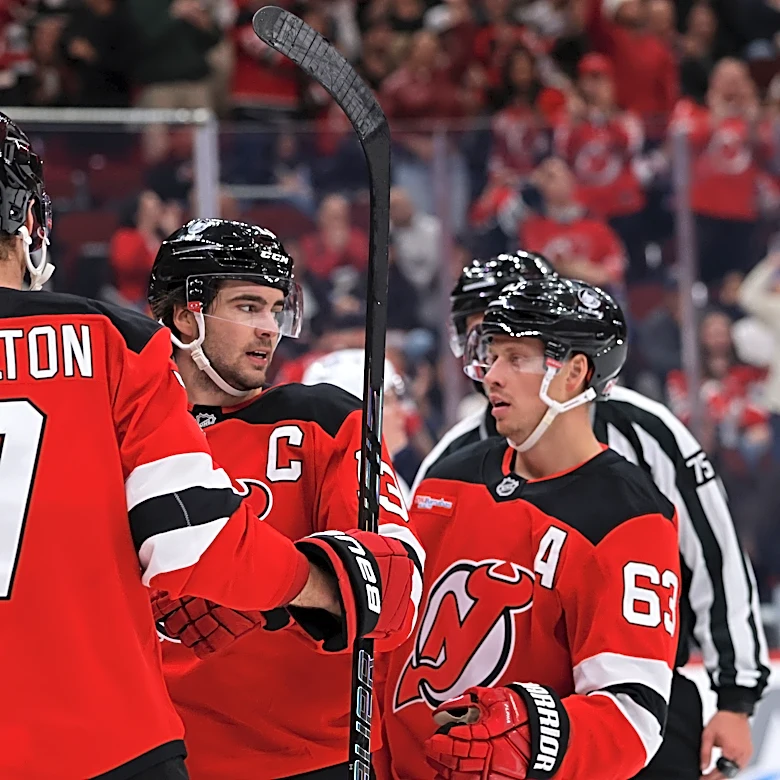
DAZN, a London-based sports streaming platform, has announced a new streaming partnership with the Los Angeles Kings, making it the exclusive direct-to-consumer streaming home for available local Kings games. This move is part of DAZN's broader strategy
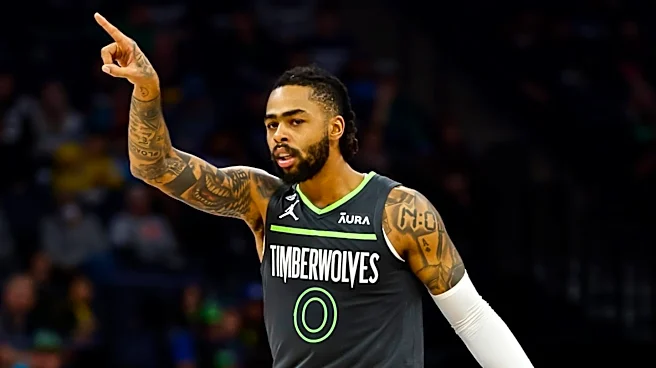
to expand its presence in the U.S. regional sports market, moving beyond its established business in combat sports, soccer, and international distribution. Over the past six months, DAZN has acquired local rights to 19 teams across MLB, NBA, NHL, and WNBA, including the Memphis Grizzlies, Minnesota Timberwolves, Indiana Pacers, New York Knicks, San Antonio Spurs, and Yankees. The Kings partnership, in collaboration with Angels Broadcast Television (ABTV), offers fans multiple ways to watch games, either through traditional cable or DAZN's streaming service. The streaming package includes locally broadcast regular-season games and first-round Stanley Cup playoff games within the Kings' home television territory, excluding nationally exclusive games. Subscription options include seasonal and monthly plans, with varying tiers offering features like simultaneous streams, multiview, and discounts.
Why It's Important?
This expansion by DAZN into U.S. regional sports broadcasting signifies a significant shift in how American sports fans access local team content. By offering direct-to-consumer streaming options, DAZN is directly addressing the growing trend of cord-cutting and the demand for more flexible viewing experiences. This move challenges traditional cable and satellite providers, potentially accelerating the fragmentation of sports media rights and creating a more competitive landscape for content delivery. For U.S. sports leagues and teams, partnerships with platforms like DAZN open new revenue streams and broader audience reach, particularly among younger demographics who prefer streaming services. However, it also introduces complexities for fans who may need to subscribe to multiple services to follow all their favorite teams, potentially leading to 'subscription fatigue.' The strategy of consolidating multiple teams within a single platform, as DAZN aims to do, could eventually offer a more streamlined experience for multi-sport fans.
What's Next?
DAZN plans to continue expanding its portfolio of U.S. regional sports rights, with executives expressing interest in adding more teams, particularly in markets where they already have a presence, such as Southern California with a potential relationship with the Angels. The company also aims to enhance the fan experience beyond live games by offering pregame and postgame coverage, original programming, and editorial content. This strategy is designed to create a 'fan zone experience' that encourages subscribers to engage with the platform between games. As DAZN grows, it will likely face increased competition from other streaming services and traditional broadcasters adapting to the digital landscape. The success of its model will depend on its ability to acquire more rights, maintain competitive pricing, and deliver a high-quality, comprehensive viewing experience that justifies multiple subscriptions for fans.
Beyond the Headlines
DAZN's aggressive entry into the U.S. regional sports market highlights a broader industry trend: the unbundling of sports content from traditional cable packages. This shift has profound implications for the future of sports consumption, potentially democratizing access for fans who previously had limited options or were tied to expensive cable subscriptions. However, it also raises questions about equitable access, as not all fans may be able to afford multiple streaming services. The move could also reshape the financial models for sports leagues and teams, as they navigate new partnerships and revenue-sharing agreements with streaming platforms. Furthermore, DAZN's emphasis on creating a holistic 'fan zone experience' suggests a future where sports broadcasting is not just about live games but also about immersive content, community engagement, and personalized experiences, blurring the lines between media consumption and fan participation. This evolution could lead to innovative ways for fans to interact with their favorite teams and sports.