





What's Happening?
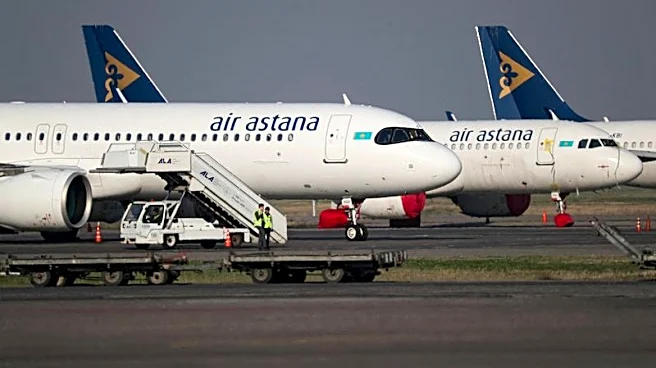
Ibrahim Canliel, CEO of Air Astana Group, has been appointed Vice Chairman of the Association of Asia Pacific Airlines (AAPA) Executive Committee. This announcement was made at the 70th Assembly of Presidents of the AAPA, held in Kuala Lumpur on November
12–13, 2026. The assembly, themed 'Redefining Aviation: Growth, Resilience and Innovation,' gathered over 170 delegates to discuss critical issues facing the global and regional aviation industry, including geopolitical developments, aircraft delivery delays, fuel price volatility, and the transition towards greater sustainability. Canliel's appointment highlights Air Astana Group's active involvement in the international aviation community and its dedication to fostering cooperation between Central Asia and the Asia Pacific region, particularly as Kazakhstan's national carrier. He expressed honor in the appointment and eagerness to contribute to the association's work and the continued development of the Asia Pacific air transport industry.
Why It's Important?
This appointment is significant for the U.S. and global aviation industry as it underscores the growing importance of Central Asian markets in the broader international air transport landscape. Enhanced air connectivity between Central Asia and the Asia Pacific region, facilitated by such leadership roles, will play a crucial role in supporting tourism, trade, and economic development. For U.S. airlines and aviation businesses, this could mean new opportunities for partnerships, expanded routes, and increased cargo traffic as these regions become more interconnected. The discussions at the AAPA Assembly, covering global and regional challenges like geopolitical developments and fuel price volatility, directly impact operational costs and strategic planning for U.S. carriers and manufacturers. Furthermore, the focus on sustainability within the aviation sector aligns with global efforts, potentially influencing U.S. policy and investment in greener aviation technologies.
What's Next?
Canliel's role as Vice Chairman is expected to further integrate Air Astana Group and, by extension, Central Asia, into the strategic discussions and initiatives of the Asia Pacific aviation community. This could lead to increased collaboration on addressing shared industry challenges, such as improving air traffic management, standardizing safety protocols, and developing sustainable aviation practices. The continued growth in international travel demand will likely drive further investments in infrastructure and services across both regions. For U.S. stakeholders, monitoring these developments will be crucial for identifying emerging market trends and potential areas for engagement, particularly as the Asia Pacific region remains a key growth area for global aviation. Future AAPA meetings will likely continue to address these evolving challenges and opportunities, shaping the future of air transport.
Beyond the Headlines
The appointment reflects a broader trend of diversifying leadership within international aviation bodies, acknowledging the increasing influence of carriers from emerging markets. This shift can lead to a more inclusive approach to global aviation policy and development, potentially bringing new perspectives on regulatory frameworks, technological adoption, and market access. The emphasis on strengthening cooperation between Central Asia and the Asia Pacific region also highlights the strategic importance of these geographical corridors for global trade and connectivity. For the U.S., understanding these evolving regional dynamics is essential for maintaining its competitive edge and fostering beneficial international aviation relationships. The focus on sustainability also points to a future where environmental considerations will increasingly dictate operational and investment decisions across the industry.