


What's Happening?
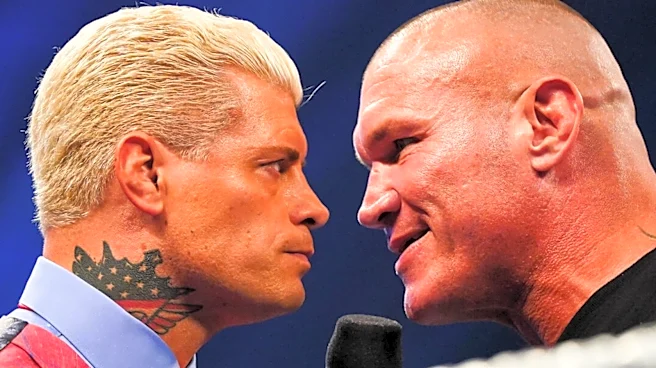
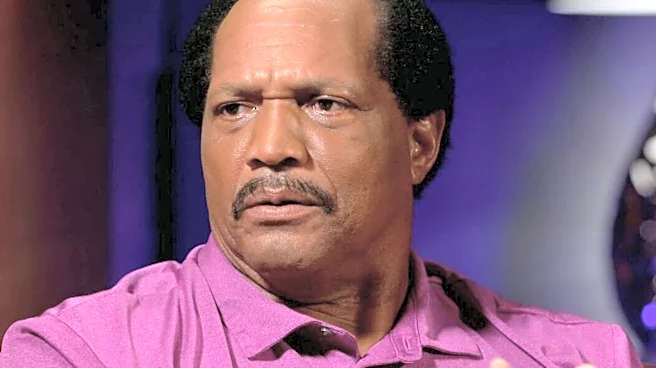
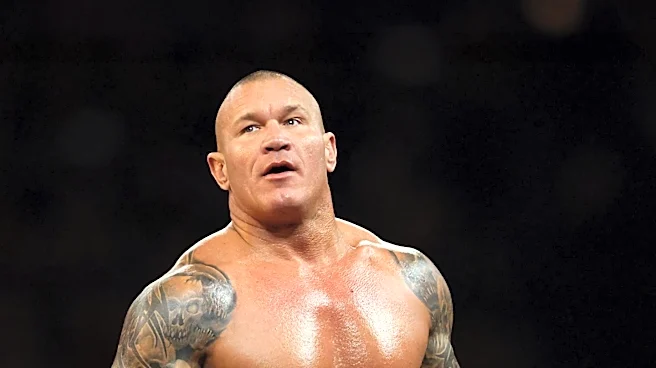
Randy Orton played a pivotal role in securing a guest trainer position at the WWE Performance Center for his former Ohio Valley Wrestling (OVW) colleague, Rob Conway, in 2018. Conway, during an appearance on Chris Van Vliet’s 'Insight' podcast, recounted
a conversation with Orton where Orton inquired about his interest in returning to WWE in a coaching capacity. Conway expressed his preference for coaching over wrestling four nights a week. Orton then offered to speak with 'Hunter' (presumably Paul 'Triple H' Levesque) on Conway's behalf. Although it took approximately six months, this conversation ultimately led to Conway receiving an opportunity to work at the Performance Center. Conway noted the significant evolution of the facility compared to his early developmental days in OVW, highlighting its more elaborate and nicer setup, while still acknowledging the talent produced by OVW.
Why It's Important?
This revelation highlights the enduring connections and influence within the professional wrestling industry, particularly among those who came up through the same developmental systems like OVW. Randy Orton, a prominent and long-standing figure in WWE, demonstrating his willingness to advocate for a former peer like Rob Conway, underscores the informal networks that can shape career opportunities in the highly competitive world of professional wrestling. For Conway, this opportunity provided a pathway back into the WWE ecosystem, albeit in a different role, allowing him to contribute his experience to the next generation of talent. It also offers a glimpse into the internal workings of WWE's talent development, showing how personal relationships and recommendations from established stars can open doors that might otherwise remain closed. This kind of mentorship and advocacy is crucial for the continuity and evolution of the sport, ensuring that experienced individuals can pass on their knowledge.
What's Next?
While the immediate 'What's Next?' for Rob Conway's guest trainer role has already occurred in 2018, the broader implication is the continued importance of veteran influence in WWE's talent development. The success of individuals like Randy Orton in advocating for others suggests that such informal channels will likely persist. Future opportunities for former wrestlers to transition into coaching or backstage roles may continue to be influenced by their relationships with current high-profile figures. This dynamic could lead to more former talents being brought in to share their expertise, enriching the training environment at the Performance Center. It also reinforces the idea that maintaining good relationships within the industry can be beneficial for long-term career prospects, even after a performer's active in-ring career has concluded. The WWE may continue to leverage its current and former stars to scout and develop new talent.
Beyond the Headlines
Beyond the direct impact on Rob Conway's career, this story subtly illustrates the cultural fabric of professional wrestling, where personal histories and shared experiences in developmental territories like OVW forge lasting bonds. It speaks to a sense of camaraderie and mutual support that can exist even in a highly competitive and often cutthroat industry. The anecdote also provides a counter-narrative to the often-publicized rivalries and on-screen personas, revealing a more human element of professional relationships. Furthermore, it underscores the value placed on experience and mentorship within WWE, as the company seemingly recognizes the benefit of having seasoned veterans guide new talent. This informal system of recommendation and advocacy can be a powerful force in shaping the careers of individuals and the overall direction of the wrestling product, influencing who gets opportunities and how new talent is molded.