




What's Happening?
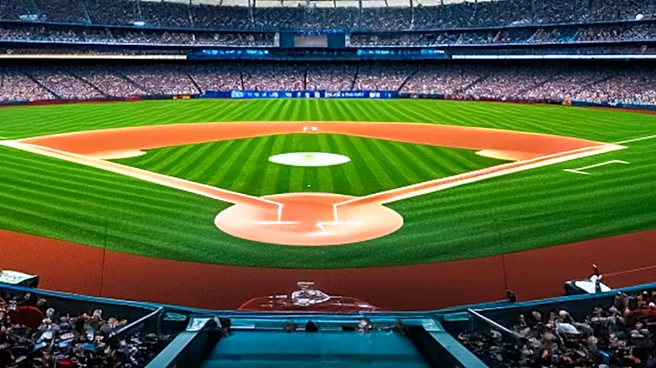
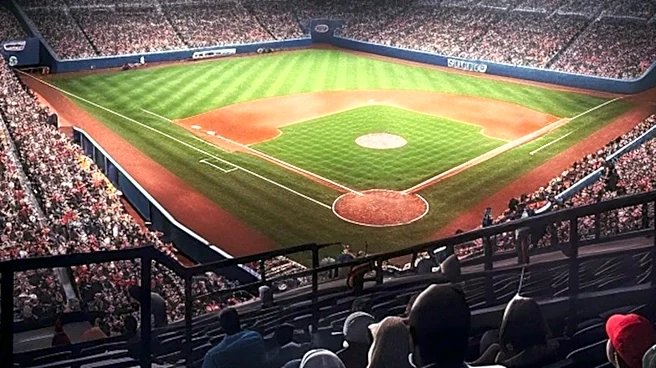
The 2026 T-Mobile Home Run Derby, held at Citizens Bank Park in Philadelphia, introduced a new format that significantly increased the event's drama and excitement. Unlike previous years where hitters had a fixed time period to hit as many home runs as possible,
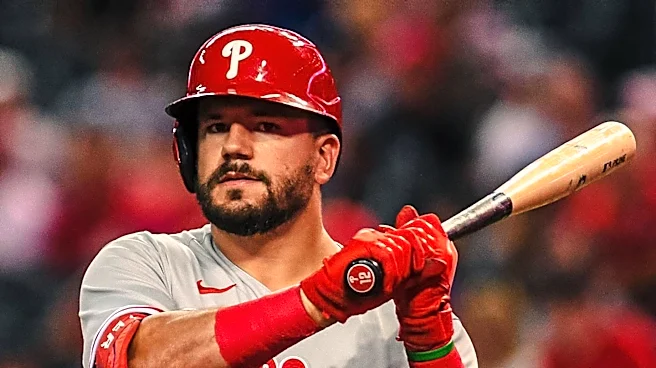
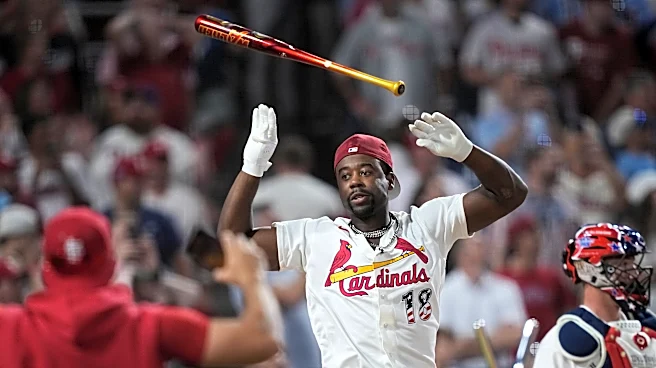
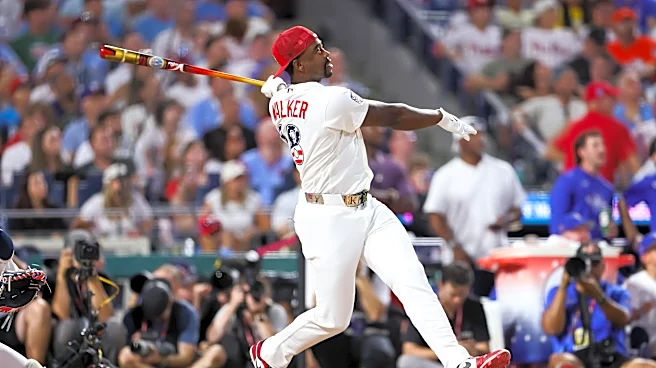
this year's format allowed each of the eight participants 20 swings in the first round and 15 swings in the semifinals and finals. If a player homered on their final swing, they could continue batting until they failed to hit a home run. This change evoked an earlier era of the Derby, prior to 2015, when hitters swung until they recorded 10 'outs'. The new format culminated in a thrilling final round where Jordan Walker of the St. Louis Cardinals defeated Kyle Schwarber of the Philadelphia Phillies. Walker, one of the youngest players to win the Derby, praised the new format for allowing him to take his time and focus on his best swings.
Why It's Important?
The introduction of the new Home Run Derby format is significant as it enhances the viewing experience for fans and adds a strategic element for the players. By allowing a set number of swings rather than a timed session, players can pace themselves and focus on quality over quantity, potentially leading to more dramatic moments. This change could attract more viewers and increase engagement with the event, benefiting Major League Baseball's overall popularity. Additionally, the format allows for more suspenseful and competitive matchups, as seen in Walker's come-from-behind victory, which could become a memorable highlight in Derby history.
What's Next?
Following the success of the new format, it is likely that Major League Baseball will continue to refine and possibly expand this approach in future Home Run Derbies. The positive reception from players and fans suggests that the league may explore similar innovations in other events to enhance fan engagement. Additionally, the success of young players like Jordan Walker could inspire more emerging talents to participate, potentially increasing the diversity and competitiveness of future Derbies.