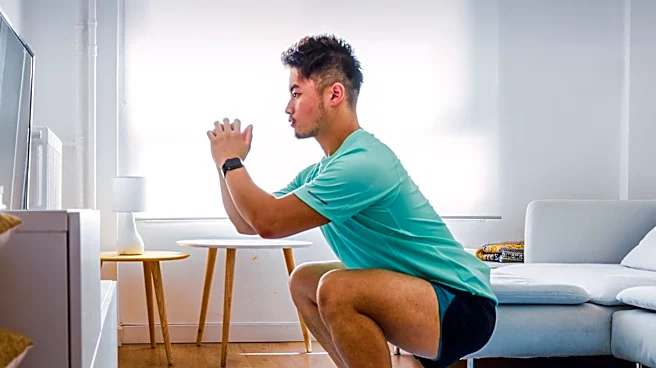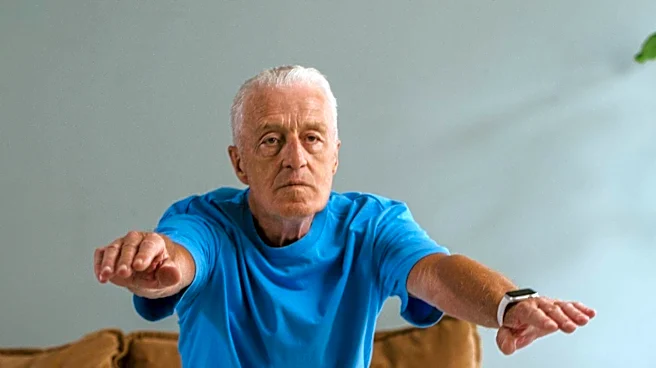

What's Happening?
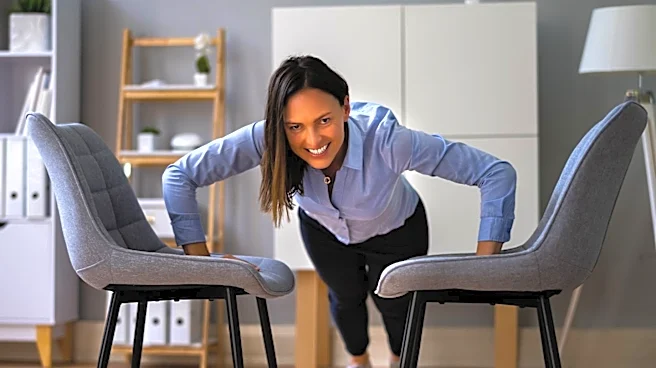
Health agencies, including the CDC and WHO, endorse chair exercises as an effective way for seniors to build strength, flexibility, and stamina without needing to stand. These seated movements, such as marches,
leg extensions, sit-to-stands, arm raises, and gentle twists, are particularly beneficial for individuals recovering from illness or surgery, those with arthritis, balance concerns, or a history of falls. The CDC reports that over 1 in 4 adults aged 65 and older experience a fall each year, making leg-strengthening exercises like sit-to-stands crucial for fall prevention. Adults typically lose 3 to 8 percent of muscle mass per decade after age 30, a process known as sarcopenia, which seated resistance exercises can help slow. The National Institute on Aging (NIH) also recommends seated versions of strength, endurance, and flexibility exercises for older adults. A 20-minute routine performed most days can support daily function, with current activity guidelines counting every minute of movement, meaning three brisk 10-minute seated sessions are as legitimate as one 30-minute workout.
Why It's Important?
The widespread endorsement of chair exercises by major health organizations highlights their critical role in promoting active aging and maintaining independence among seniors in the U.S. As the population ages, addressing issues like muscle loss (sarcopenia) and fall risk becomes increasingly vital for public health. Chair exercises provide an accessible and safe entry point for many older adults who may face barriers to traditional standing workouts, such as mobility limitations, chronic pain, or fear of falling. By offering a structured way to meet recommended physical activity guidelines, these exercises can significantly improve quality of life, reduce healthcare costs associated with falls and inactivity-related conditions, and empower seniors to remain self-sufficient. The emphasis on functional movements like sit-to-stands directly translates to improved ability to perform daily tasks, thereby enhancing overall well-being and reducing the burden on caregivers and the healthcare system.
What's Next?
The continued promotion and integration of chair exercise programs into community centers, healthcare settings, and home-based routines are expected. Health professionals, including physical therapists, will likely continue to utilize and adapt these exercises for rehabilitation and preventative care. The availability of free resources from organizations like the NHS and NIH, including illustrated routines and demonstration videos, will further support individuals in adopting these practices. As awareness grows, there may be an increase in demand for specialized chair exercise classes and resources tailored to various ability levels and health conditions. The focus will remain on encouraging consistent, moderate-intensity activity, with guidance on proper form and progression to maximize benefits and minimize injury risk. Individuals are advised to consult with a clinician before starting new exercise routines, especially if they have pre-existing health conditions.
Beyond the Headlines
Beyond the immediate physical benefits, chair exercises address a deeper societal challenge: the sedentary lifestyle prevalent among older adults and its associated health risks. By making exercise more approachable, these programs can combat social isolation often linked to reduced mobility, as many community-based classes foster social interaction. The psychological impact is also significant; overcoming the fear of falling and regaining physical capabilities can boost confidence and mental well-being. Furthermore, the simplicity and low cost of chair exercises democratize fitness, making it accessible regardless of socioeconomic status or access to specialized equipment. This approach challenges the traditional view of exercise, demonstrating that effective physical activity doesn't always require high impact or complex routines, but rather consistency and adaptation to individual needs. It underscores a shift towards inclusive fitness solutions that prioritize functional health and sustained independence.