






What's Happening?
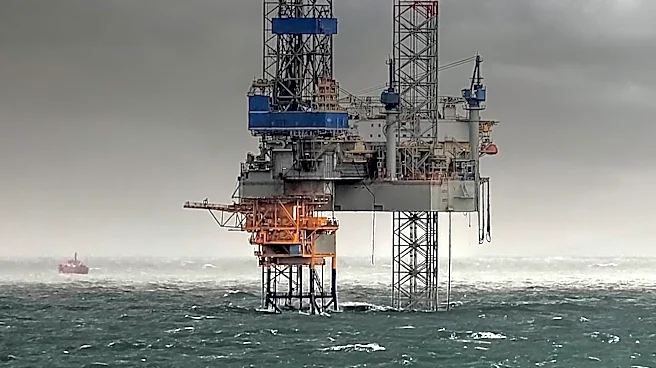
Oil prices have returned to levels seen before the onset of the Iran war, driven by rising supply from the Middle East. Brent crude futures for August delivery fell to $73.49 a barrel, while U.S. West Texas Intermediate dropped to $70.10 a barrel. The
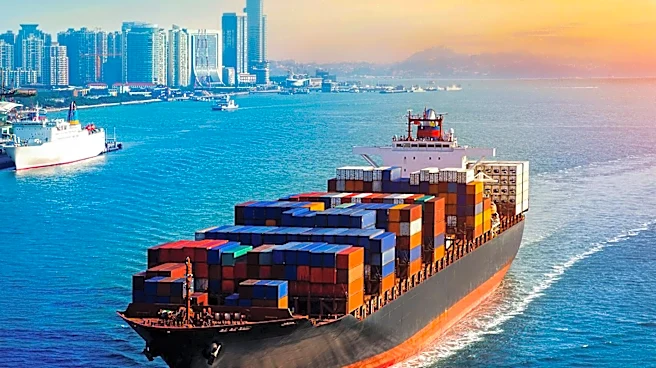
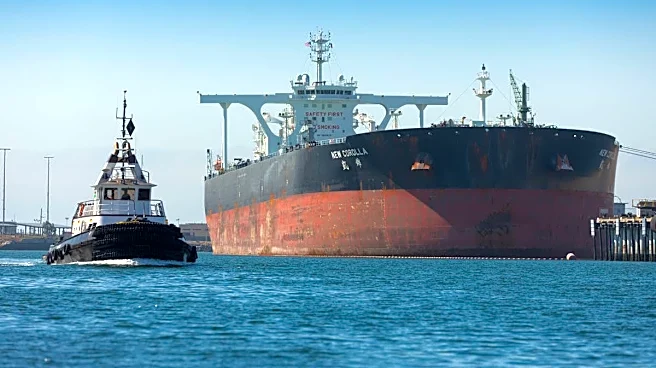
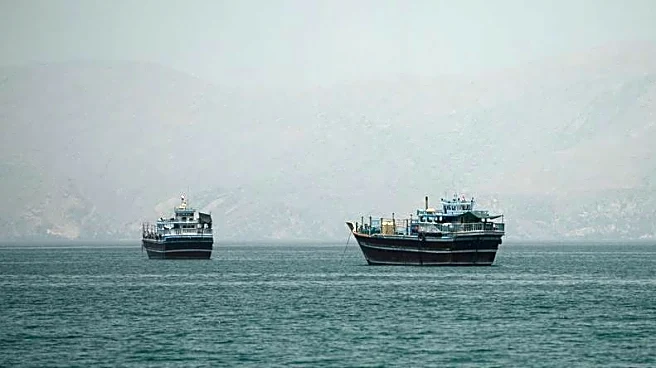
increase in supply is attributed to the clearing of vessel backlogs in the Persian Gulf and the resumption of traffic through the Strait of Hormuz. Iran is also set to boost sales following a temporary reprieve from U.S. sanctions. However, significant increases in inbound flows require shipping confidence to return, including safety assurances and mine clearance.
Why It's Important?
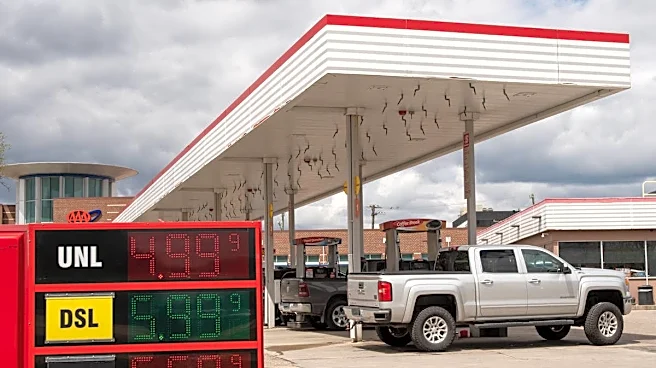
The increase in Middle Eastern oil supply is significant for global energy markets, as it helps stabilize prices and ensures a steady flow of crude oil. For the U.S., lower oil prices can lead to reduced energy costs for consumers and businesses, potentially boosting economic activity. However, the situation also highlights the ongoing geopolitical risks in the region, which can quickly disrupt supply and impact global markets. The ability of Middle Eastern countries to maintain and increase oil production is crucial for global energy security.
What's Next?
The focus will be on ensuring the safe and efficient movement of oil through the Strait of Hormuz. This includes addressing security concerns and ensuring that shipping routes are clear of mines. Additionally, the potential extension of sanctions relief for Iran will be closely watched, as it could further impact global oil supply and prices. Stakeholders will need to monitor geopolitical developments in the region and their potential impact on energy markets.