




What's Happening?
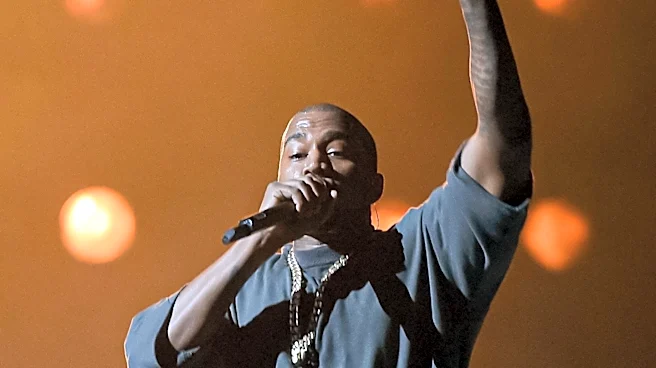
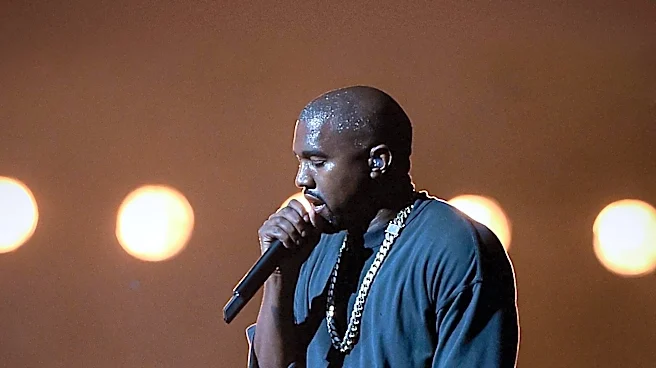
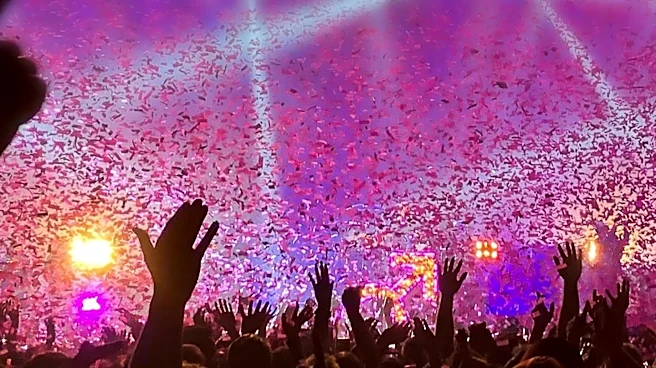
Kanye West, also known as Ye, made history on Saturday, October 31, by drawing a crowd of 80,210 fans to Reliant Stadium in Houston, marking the largest rap concert in U.S. history. This event surpassed his previous record set during a two-night run at SoFi
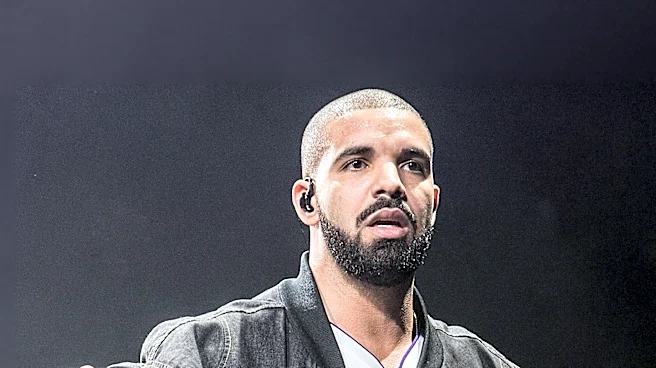
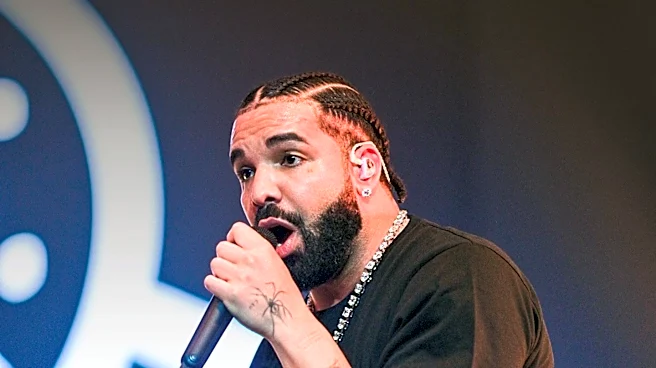
Stadium in April, where each night saw over 74,000 attendees. During his performance of 'Ghost Town,' Ye acknowledged the crowd for breaking the record and thanked Houston for its continued support. The concert featured guest appearances by his daughter North West, André Troutman, and Playboi Carti, who performed collaborations like 'CARNIVAL' and 'Off The Grid,' as well as his own tracks. Notably, Drake and Travis Scott were seen in the audience, sparking social media discussion about potential reconciliation given their past interactions and the '2024 rap battle.' While this concert is Ye's largest on U.S. soil, his biggest global performance was in Istanbul in May, where he played for 118,000 fans.
Why It's Important?
This record-breaking concert by Ye signifies a major moment in the landscape of live music and hip-hop culture in the United States. The sheer attendance figure demonstrates Ye's enduring appeal and ability to draw massive crowds, reinforcing his status as a dominant force in the music industry despite various controversies. For the U.S. music industry, this event highlights the potential for large-scale stadium shows in the rap genre, potentially encouraging other artists and promoters to pursue similar ambitious ventures. The presence of other high-profile artists like Drake and Travis Scott in the audience, coupled with their complex history, adds a layer of cultural significance, suggesting potential shifts in artist relationships and collaborations within the hip-hop community. This event also provides a significant economic boost to the host city, Houston, through tourism, hospitality, and local spending, showcasing the broader economic impact of such large-scale entertainment events.
What's Next?
Following this record-setting performance in Houston, Ye's stadium tour is set to continue with upcoming dates in Dallas on November 7 and Phoenix on November 21. Given the increasing attendance figures for his shows, there is a strong possibility that the U.S. rap concert attendance record could be broken again during these subsequent stops. The on-stage chemistry observed between Ye and guest performers like Playboi Carti has led fans to speculate about potential future musical collaborations, which could result in new releases or joint projects. The public appearance of Drake and Travis Scott together in the audience, especially in the context of their past 'rap battle' and shifting alliances, will likely continue to fuel discussions about their relationships and potential future interactions, both musically and personally. The success of this concert may also influence other major hip-hop artists to plan larger-scale tours, potentially leading to a trend of more stadium-sized rap events across the U.S.
Beyond the Headlines
Beyond the immediate success of the concert, Ye's ability to consistently draw such massive crowds, even amidst ongoing public scrutiny and controversy, points to a deeper cultural phenomenon. It underscores the power of celebrity and artistic influence to transcend conventional public opinion and maintain a dedicated fanbase. This event also highlights the evolving nature of live music experiences, where concerts are becoming more than just performances but significant cultural gatherings that can influence social dynamics and artist relationships. The discussion surrounding the '2024 rap battle' and the perceived mending of fences between prominent figures like Ye, Drake, and Travis Scott could signal a shift towards more collaborative or at least less confrontational dynamics within the top tiers of hip-hop, potentially fostering a new era of artistic unity or strategic alliances. This record-breaking event also serves as a testament to the enduring commercial viability and cultural impact of hip-hop as a genre in the United States.