






What's Happening?
Traveling with pets in 2026 necessitates careful planning due to diverse airline policies, health requirements, and travel options. Most airlines permit only small pets in the cabin, with fees typically ranging from $100 to $200. Larger dogs generally
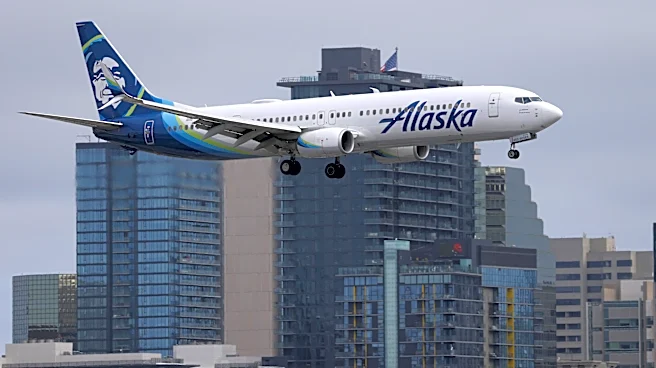
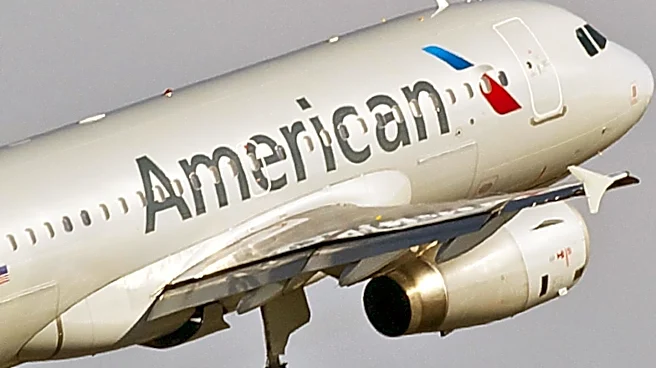
must travel in the cargo hold or via private charter. Alaska Airlines is recognized as the most pet-friendly U.S. airline, while American Airlines charges $125 for in-cabin pets, and Delta Airlines charges $75 to $200 depending on the location. Most airlines mandate that dogs be at least 8 weeks old for domestic flights. For international flights entering the U.S. under 2024–2026 CDC regulations, dogs must be at least six months old. A veterinary visit 10–30 days before travel is crucial for vaccinations, health assessment, and obtaining a required health certificate. If commercial flight is not advisable, alternatives include ground transport, driving, or private jet charter, where pets can remain in a climate-controlled cabin. Brachycephalic breeds, such as French Bulldogs and pugs, face stricter policies and higher respiratory risks, often being restricted from cargo travel.
Why It's Important?
These evolving and varied airline pet policies significantly impact pet owners' travel plans and budgets across the U.S. The increased complexity requires owners to invest more time and resources into pre-travel preparations, including veterinary visits and understanding specific airline rules. The financial implications, with fees ranging from $75 to over $200 for in-cabin pets and potentially over $1,000 for cargo, can be substantial. Furthermore, the restrictions on certain breeds, like brachycephalic dogs, highlight growing concerns for animal welfare during air travel, potentially leading to increased demand for private charter services or alternative ground transportation. This situation also underscores the need for pet owners to prioritize their animal's health and comfort, potentially influencing their choice of travel destination or mode of transport. The differing age requirements for domestic versus international flights also add a layer of complexity for those traveling across borders.
What's Next?
Pet owners planning air travel in the near future will need to meticulously research and confirm specific airline policies, as these are subject to frequent changes. This includes verifying breed restrictions, weight limits, carrier dimensions, and the availability of pet slots on desired flights. The requirement for health certificates issued within a narrow timeframe (10 days of travel) means veterinary appointments must be scheduled precisely. Travelers with brachycephalic breeds will likely continue to face significant challenges with commercial airlines, potentially driving more of them towards private jet charters or opting for ground travel. Airlines may further refine their policies based on operational capabilities, safety incidents, and passenger feedback. The CDC's ongoing regulations for international pet entry will also continue to shape requirements for U.S. citizens traveling abroad and returning with their pets, necessitating continuous monitoring of official guidelines.
Beyond the Headlines
The increasing complexity of pet air travel reflects broader societal trends in pet ownership and animal welfare. As pets are increasingly viewed as family members, owners are less willing to compromise on their comfort and safety during travel. This trend is driving innovation in pet-friendly travel solutions, including specialized ground transport services and the growing market for private jet charters that cater specifically to pet owners. The stricter regulations for certain breeds also highlight ethical considerations regarding animal breeding practices and the inherent health challenges faced by some breeds, prompting a re-evaluation of responsible pet ownership. Furthermore, the economic impact extends beyond direct travel costs, influencing decisions on pet insurance, veterinary care, and even the choice of vacation destinations, as pet owners seek environments that accommodate their companions. This evolving landscape underscores a shift towards more integrated pet-inclusive lifestyles, challenging industries to adapt and provide more comprehensive solutions.