




What's Happening?
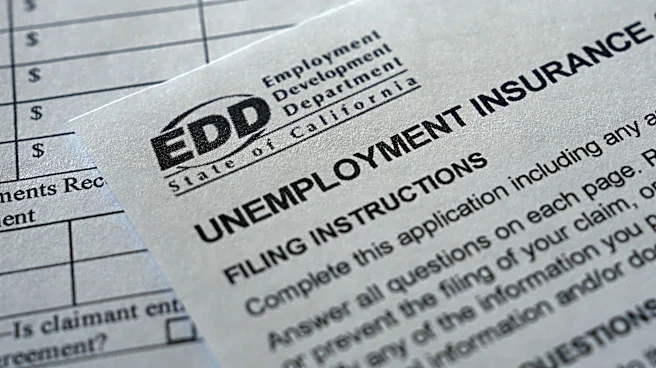
In August 2026, significant layoffs continue across major companies, with over 40 corporations reducing their workforce. This trend, although slower than the record-breaking layoffs of 2025, remains substantial, particularly in the tech, finance, and
retail sectors. Companies like Amazon, UPS, and Visa have announced significant job cuts, citing the adoption of artificial intelligence and economic pressures as primary reasons. Oracle, for instance, has reduced its workforce by 21,000 employees, attributing the cuts to AI adoption. Similarly, Amazon has eliminated 16,000 corporate roles globally, while UPS plans to reduce its workforce by 30,000 through attrition and voluntary separation programs. Visa is also cutting approximately 2,600 jobs, about 7% of its workforce, as AI accelerates workforce evolution.
Why It's Important?
The ongoing layoffs highlight the transformative impact of artificial intelligence on the workforce, as companies streamline operations and reduce costs. This shift poses significant challenges for employees in affected sectors, particularly in tech and finance, where AI is rapidly changing job requirements. While layoffs have decreased compared to 2025, the continued job cuts underscore the need for workers to adapt to new technologies and roles. The broader economic implications include potential shifts in consumer spending and increased pressure on unemployment rates. However, the rise of AI also presents opportunities for growth in AI-adjacent fields, suggesting a potential rebalancing of the job market in the long term.
What's Next?
As companies continue to integrate AI into their operations, further layoffs may occur, particularly in roles that can be automated. However, new job opportunities may arise in AI development and related fields, requiring workers to acquire new skills. Policymakers and industry leaders may need to address the social and economic impacts of these changes, potentially through retraining programs and support for displaced workers. The evolving landscape may also prompt discussions on the ethical implications of AI in the workplace and its role in shaping future employment trends.