







What's Happening?
Pfizer has increased its 2026 revenue guidance to $62.0-$64.0 billion, as announced on November 3. This adjustment comes as the pharmaceutical giant navigates a significant product transition period. In the third quarter, Pfizer's revenue remained relatively
flat at $16.6 billion compared to the previous year. This stability was achieved despite substantial declines in sales of its COVID-19 products, Paxlovid (down 63%) and Comirnaty (down 29%). The company has offset these reductions with a 32% growth in its newly launched and acquired products. Pfizer's dividend policy is also under close observation, with the company having declared its 352nd consecutive quarterly payment of $0.43 per share on October 6. CEO Albert Bourla has expressed confidence in maintaining the dividend, even under challenging scenarios. However, the dividend payout currently accounts for 89% of the company's free cash flow over the past twelve months, indicating a tight coverage ratio. CFO Cecile Guegan noted that the 2027 guidance will reflect the impact of two of Pfizer's drugs becoming subject to Medicare's negotiated prices.
Why It's Important?
Pfizer's revised revenue guidance and ongoing product transition are critical indicators for the pharmaceutical industry and investors. The company's ability to grow new and acquired products while its COVID-19 related revenues decline demonstrates its strategic agility in a dynamic market. The high dividend payout ratio, consuming 89% of free cash flow, signals potential constraints on future dividend growth, which could impact income-focused investors. This situation highlights the challenges large pharmaceutical companies face in managing mature product portfolios while investing in innovation. The impending impact of Medicare's negotiated prices on two of Pfizer's drugs in 2027 underscores the increasing pressure from healthcare policy on pharmaceutical profitability. This could set a precedent for other drug manufacturers, influencing their R&D strategies and pricing models. The market will closely watch how Pfizer balances shareholder returns with reinvestment in its pipeline, especially as it faces patent expirations and increased competition.
What's Next?
Looking ahead, Pfizer's financial performance will be significantly shaped by the continued growth of its new and acquired product portfolio, which is essential to offset the declining sales of its COVID-19 treatments. The company's 2027 guidance, expected to be released later, will provide more clarity on the financial impact of Medicare's negotiated drug prices. This will be a key factor for investors assessing Pfizer's long-term profitability and dividend sustainability. The company's ability to maintain its dividend, as assured by CEO Albert Bourla, will be under continuous scrutiny, especially given the current high payout ratio relative to free cash flow. Future announcements regarding new drug approvals, pipeline developments, and strategic acquisitions will also be crucial in determining Pfizer's trajectory. The pharmaceutical sector will be observing how Pfizer navigates these challenges, as its strategies could influence broader industry trends in drug development, pricing, and market access.
Beyond the Headlines
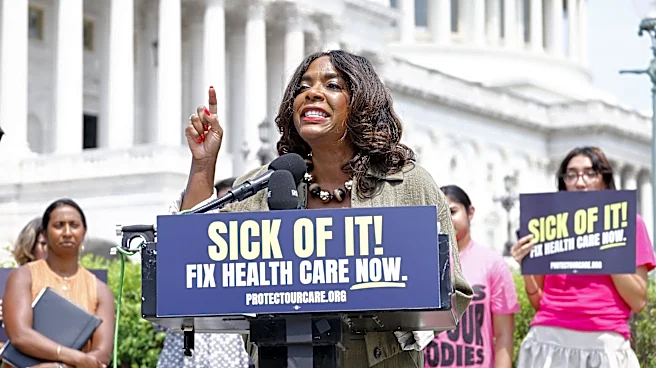
The situation at Pfizer reflects broader shifts within the pharmaceutical industry, particularly the evolving landscape of drug pricing and market access. The impact of Medicare's negotiated prices on Pfizer's drugs in 2027 signals a growing trend towards increased government intervention in drug costs, which could reshape the economic models of pharmaceutical companies. This development may prompt other companies to re-evaluate their investment in certain therapeutic areas and their pricing strategies for new drugs. Furthermore, Pfizer's reliance on new product growth to offset declines in established blockbusters highlights the continuous innovation imperative in the industry. Companies must consistently bring novel therapies to market to sustain revenue, a process that is both costly and high-risk. The tension between maintaining shareholder dividends and investing in future growth is a perennial challenge for mature pharmaceutical firms, with Pfizer's current situation serving as a prominent example of this balancing act. This dynamic could influence capital allocation decisions across the sector, potentially leading to more strategic partnerships or divestitures.