









What's Happening?
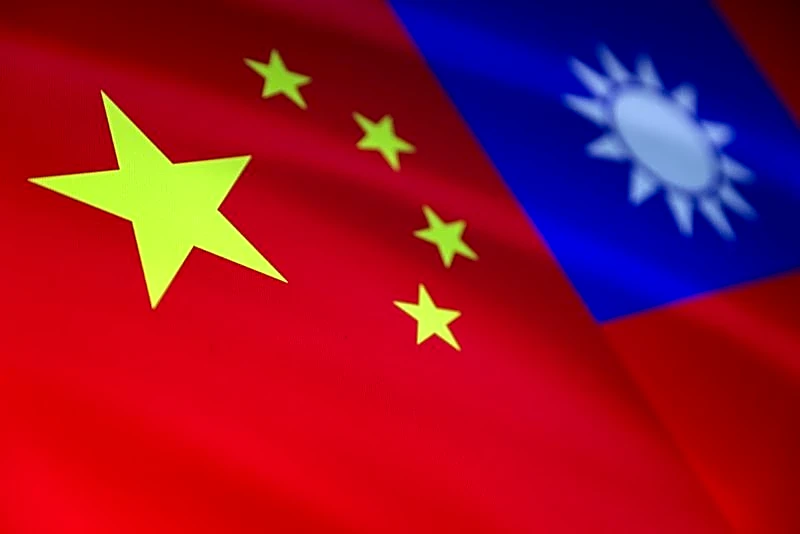
Accenture is considering the sale of its Greater China operations, a move that could value the business at up to $1.5 billion. This strategic review comes as the global consulting and technology services firm reevaluates its international portfolio. According
to reports from the Financial Times, Accenture has engaged JPMorgan investment bankers to explore various strategic options after receiving unsolicited interest from potential buyers over the past year. The unit in question encompasses mainland China, Hong Kong, and Taiwan, employing an estimated 17,000 individuals. Private equity groups and a select number of strategic buyers are reportedly interested, though a transaction is not guaranteed. Accenture may also opt to retain a minority stake to maintain a presence in the market and ensure client continuity. This potential sale could generate additional capital for future acquisitions, an area where Accenture is highly active. CEO Julie Sweet previously indicated plans to allocate approximately $5 billion for acquisitions in the coming year, with a focus on data, artificial intelligence, cybersecurity, and its burgeoning mid-market business.
Why It's Important?
This potential divestiture by Accenture signals a significant shift in how major global consulting firms are navigating the increasingly complex operating environment in China. Tighter Chinese regulations concerning data security and national security have imposed greater restrictions on the cross-border transfer of sensitive information. These regulatory changes have compelled some Western firms to segregate local IT systems and operations from their international networks, thereby limiting opportunities for data sharing, technology platform integration, and the realization of cross-border efficiencies. The move by Accenture, a prominent player in the consulting industry, could set a precedent for other multinational corporations facing similar challenges. A successful sale would provide Accenture with substantial capital, which it plans to reinvest in strategic growth areas like AI and cybersecurity, potentially strengthening its competitive position in other global markets. Conversely, it highlights the growing difficulties for foreign companies to operate seamlessly within China's evolving regulatory landscape, potentially leading to a more fragmented global presence for such firms.
What's Next?
Accenture's review of its Greater China business is ongoing, with JPMorgan advising on strategic options. The outcome could range from a full sale to retaining a minority stake, or even no transaction at all. Should a sale proceed, the capital generated would likely be channeled into Accenture's stated acquisition strategy, focusing on data, artificial intelligence, and cybersecurity. This could lead to increased M&A activity from Accenture in these sectors globally. The decision will also be closely watched by other international consultancies and technology firms operating in China, as it may influence their own strategies for adapting to the country's evolving regulatory and geopolitical landscape. The market will be observing whether this move is an isolated strategic adjustment or part of a broader trend of Western firms recalibrating their presence in the Chinese market.
Beyond the Headlines
The potential sale of Accenture's Greater China business reflects a deeper trend of economic decoupling and increased geopolitical tensions impacting global business operations. Beyond the immediate financial implications, this move underscores the growing challenges for multinational corporations in maintaining integrated global operations while adhering to divergent national security and data privacy regulations. The decision highlights the strategic dilemma faced by companies: balancing access to large markets like China with the complexities of compliance and geopolitical risks. This could lead to a more regionalized approach to global business, where companies operate distinct, self-contained units in different geopolitical blocs. Furthermore, it raises questions about the future of globalized professional services and technology integration, potentially fostering the development of more localized solutions and service providers within specific national boundaries.