


What's Happening?
A new wave of indie bands in both the U.S. and the UK are drawing inspiration from alt-country music, a genre that originated in the late 1980s and early 90s with bands like Uncle Tupelo. Artists such as Waxahatchee, Wednesday, MJ Lenderman, Florry, and Ratboys
in the U.S., alongside UK bands like Brown Horse and Little Grandad, are embracing elements of alt-country. These musicians, primarily in their 20s and early 30s, are discovering the genre through their own exploration rather than parental influence. They are taking traditional country music ingredients, like 'cowboy chords,' and infusing them with a more 'freaky' and 'balls to the wall' alternative rock sensibility. This movement is characterized by a desire for earnest storytelling and human connection in music, contrasting with the perceived corporate and AI-driven trends in the industry. The scene is described as a 'flash in the pan' by some, highlighting its current vibrant but potentially fleeting nature.
Why It's Important?
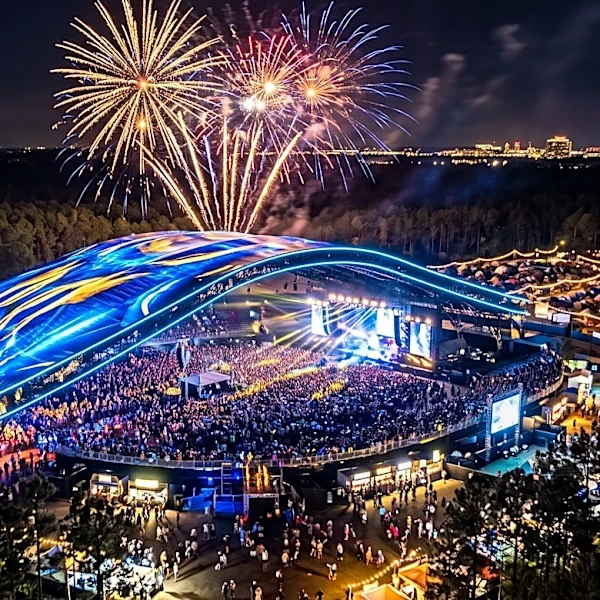
This resurgence of alt-country is significant for the U.S. music industry as it indicates a shift in audience preferences and a renewed interest in guitar-driven, narrative-focused music among younger demographics. The embrace of alt-country by new artists suggests a potential diversification of the mainstream music landscape, moving away from heavily produced pop or electronic genres. For established alt-country artists and their legacies, this new generation's appreciation could lead to renewed interest in their back catalogs and influence. The movement also highlights a broader cultural trend where younger audiences are seeking authenticity and human-made art in an increasingly digital world. This could impact music festivals, independent venues, and record labels, potentially fostering a more robust ecosystem for artists who prioritize raw, emotional storytelling over commercial polish. The cross-Atlantic nature of this trend also suggests a global appeal for this particular sound.
What's Next?
The future of this alt-country resurgence will likely involve continued evolution and experimentation within the genre. Bands like Florry are already planning albums that incorporate diverse influences, indicating a willingness to push boundaries beyond traditional alt-country sounds. The growing audience for live guitar music, particularly among younger people, suggests that independent venues and festivals will continue to be crucial platforms for these artists. Record labels, both independent and major, may increasingly look to sign and promote bands that align with this authentic, storytelling-driven approach. The ongoing discussion about defining this evolving sound, with terms like 'post-country' emerging, suggests a dynamic period of artistic exploration and categorization. The continued cross-pollination between U.S. and UK artists could also lead to more collaborative projects and a broader international reach for the genre.
Beyond the Headlines
Beyond the immediate musical trends, this alt-country revival touches upon deeper cultural and societal shifts. The desire for 'earnest storytelling' and 'human' music can be seen as a reaction against the perceived artificiality and commercialism of modern life, including the rise of AI in creative fields. It reflects a yearning for connection and authenticity in an era often characterized by digital detachment. The genre's emphasis on raw emotion and relatable narratives offers a space for artists and audiences to explore complex human experiences. This movement also challenges the notion that guitar-based music is a relic of the past, demonstrating its enduring power to resonate with new generations. The independent discovery of these sounds by younger musicians, rather than through parental influence, speaks to the power of organic cultural transmission and the ongoing search for meaningful artistic expression outside of mainstream channels.