





What's Happening?
YouTube is implementing stricter requirements for creators to monetize their content through its Partner Program (YPP) starting February 1st, 2027. Creators will now need at least 1,000 subscribers and either 8,000 qualified watch hours over the past
year or 20 million qualified Shorts views in the last 90 days. This marks a significant increase from the previous requirement of 1,000 subscribers with 4,000 watch hours or 10 million Shorts views. Additionally, creators must maintain 10 million Shorts views over 90 days to earn from the Shorts Creators Pool, although falling below this threshold will not result in removal from the YPP. YouTube is also expanding its Premium Lite subscription, which is expected to increase earnings for creators as it offers a higher revenue share compared to ad-supported views.
Why It's Important?
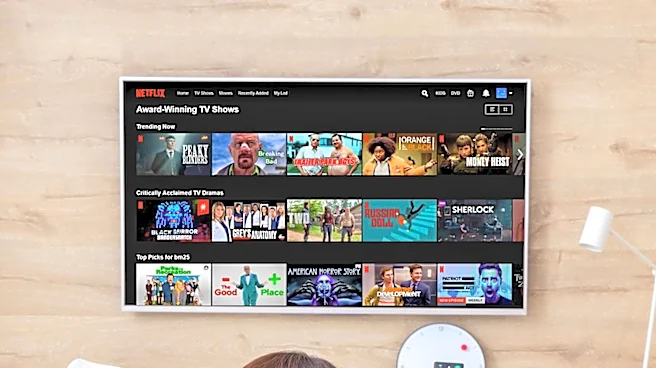
The changes reflect YouTube's strategy to position itself as a premium TV service, competing with platforms like Netflix, HBO Max, and Disney Plus. By raising the bar for monetization, YouTube aims to enhance the quality of content and attract more subscribers to its Premium services. This move could potentially increase earnings for established creators but may pose challenges for new or smaller creators trying to enter the market. The shift could lead to a more competitive environment, where only creators with substantial followings and engagement can monetize effectively. This may impact the diversity of content available on the platform, as smaller creators might struggle to meet the new thresholds.
What's Next?
Creators currently in the YPP must accept the new terms by January 31st, 2027, to continue earning from their content. The platform's focus on premium content and subscription models suggests further developments in its service offerings, possibly including more exclusive content deals and features to enhance user experience. Stakeholders, including creators and advertisers, will likely monitor these changes closely to assess their impact on engagement and revenue. The industry may see shifts in content strategies as creators adapt to the new requirements, potentially influencing the broader landscape of online video content.