



What's Happening?
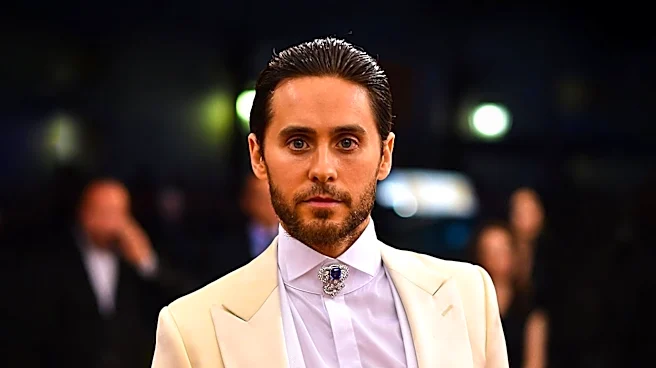
Jared Leto's portrayal of the Joker in the 2016 film 'Suicide Squad' is being re-examined as part of a discussion about critically panned movies from that year that are now considered worth watching. According to ComicBook.com, while the film itself,
and specifically Leto's performance, was met with significant criticism upon its release, it has since become 'hilarious fodder for internet memes.' The article highlights that 2016 was a notable year for cinema, producing both acclaimed masterpieces and films that were initially dismissed but are now gaining a new appreciation. Leto's Joker is cited as an example of a performance that, despite initial negative reception, has found a different kind of relevance in popular culture, particularly through online humor. The broader context of the discussion involves re-evaluating films that critics initially disliked but which possess hidden merit or have developed a cult following over time.
Why It's Important?
The re-evaluation of films like 'Suicide Squad' and performances such as Jared Leto's Joker is important for understanding the evolving nature of film criticism and audience reception. Initially, critical consensus can heavily influence a film's immediate legacy and commercial success. However, as time passes, public perception, particularly through the lens of internet culture and meme generation, can reshape how a work is viewed. This shift demonstrates that a film's impact isn't solely determined by its initial critical reception but can also be influenced by its cultural longevity and how it resonates with new audiences or through different mediums, like social media. For actors and filmmakers, this phenomenon highlights the potential for their work to find new appreciation or meaning years after its release, even if it was initially deemed a failure. It also underscores the power of internet communities in shaping and re-shaping cultural narratives around entertainment products.
What's Next?
The ongoing discussion about critically panned films from 2016, including 'Suicide Squad' and Jared Leto's Joker, suggests a continued trend of re-evaluating past cinematic works. This could lead to more retrospective analyses from film critics and enthusiasts, potentially sparking renewed interest in these movies. For actors like Jared Leto, this re-examination might contribute to a more nuanced understanding of their past roles, moving beyond initial critical judgments. The enduring presence of these films in internet culture, particularly through memes, indicates that their cultural impact is far from over. Future discussions might delve deeper into how specific performances, initially deemed problematic, contribute to a film's overall legacy or how they are reinterpreted by audiences over time. This trend could also influence how studios approach reboots or sequels, considering the potential for previously maligned elements to gain new popularity.
Beyond the Headlines
The phenomenon of critically panned films gaining new appreciation or cultural relevance, as seen with 'Suicide Squad' and Jared Leto's Joker, touches upon deeper aspects of artistic interpretation and the subjective nature of taste. It highlights the divergence between professional critical assessment and broader public or niche audience reception. This gap can be attributed to various factors, including evolving cultural sensibilities, the rise of internet meme culture as a form of commentary, and the passage of time allowing for a less immediate, more reflective viewing experience. Ethically, it raises questions about the definitive authority of film critics versus the collective judgment of audiences. Legally, it has implications for how intellectual property is valued and re-marketed over time. Culturally, it underscores how art, once released, takes on a life of its own, subject to continuous reinterpretation and re-contextualization by society, often in ways unforeseen by its creators or initial critics.