


What's Happening?
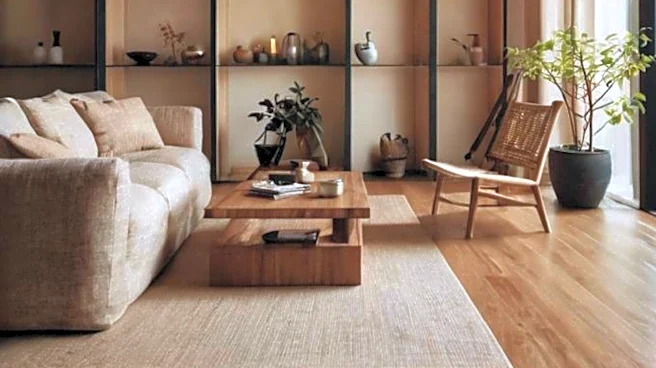
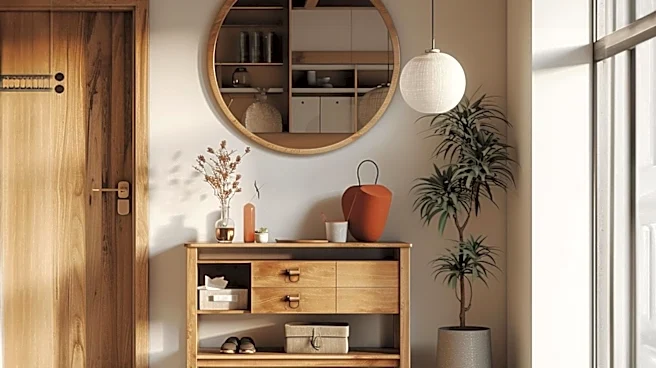
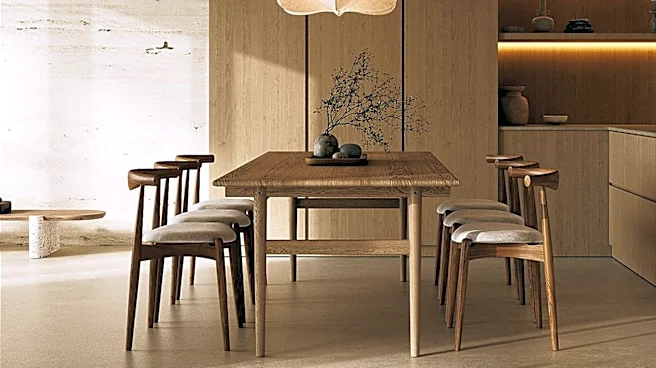
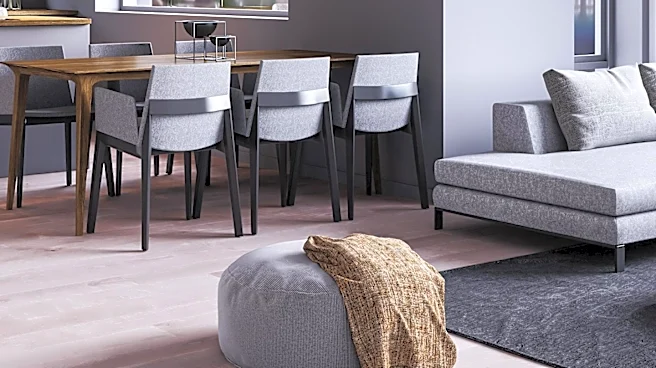
Japandi style, a design trend that gained traction around 2016, is characterized by its fusion of Japanese minimalism and Scandinavian comfort. This aesthetic emphasizes natural materials, craftsmanship, and uncluttered spaces. Key elements include light
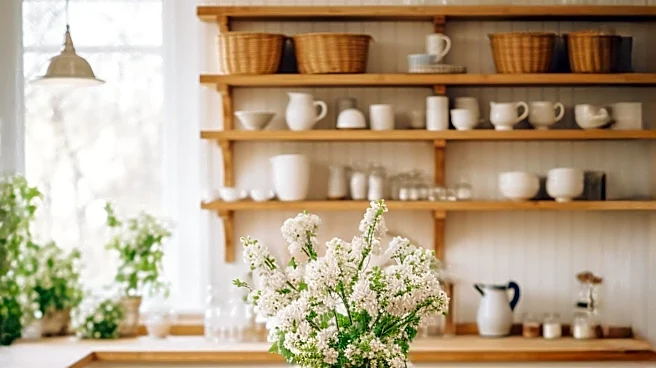
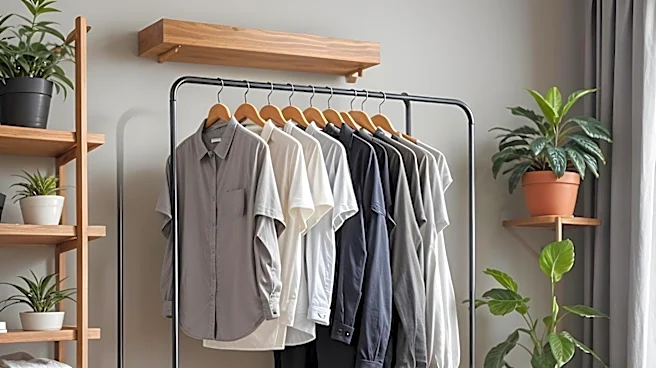
natural wood, low clean-lined furniture, and textures like linen and paper. The color palette is typically muted, featuring warm whites, greige, sage, and charcoal. The style draws from the Japanese concept of wabi-sabi, which values imperfect, handmade items, and the Scandinavian concept of hygge, focusing on lived-in comfort through materials like wool and soft lighting. Unlike Scandinavian design's brighter white walls and blond wood, or Japanese Zen's sparer look with paper screens and earthy tones, Japandi occupies a middle ground, combining Scandinavian coziness with Japanese restraint, often incorporating a few dark accents. Surfaces are kept clear, prioritizing fewer, higher-quality pieces over numerous decorative objects.
Why It's Important?
The rise of Japandi style reflects a broader societal shift towards intentional living, sustainability, and well-being within home environments. For the U.S. interior design and home furnishings industries, this trend signifies a demand for products that are both aesthetically pleasing and functional, with an emphasis on natural, durable materials. Manufacturers and retailers may see increased interest in light-colored woods like oak and ash, linen and paper-based lighting, and furniture with clean, minimalist lines. This trend also highlights a consumer preference for quality over quantity, potentially influencing purchasing habits towards investment pieces rather than disposable decor. Furthermore, the focus on uncluttered spaces and natural elements can contribute to a sense of calm and mindfulness, aligning with growing consumer interest in creating serene home sanctuaries amidst fast-paced lifestyles. This could also impact the real estate market, with Japandi-inspired interiors potentially appealing to a segment of buyers seeking tranquil and thoughtfully designed homes.
What's Next?
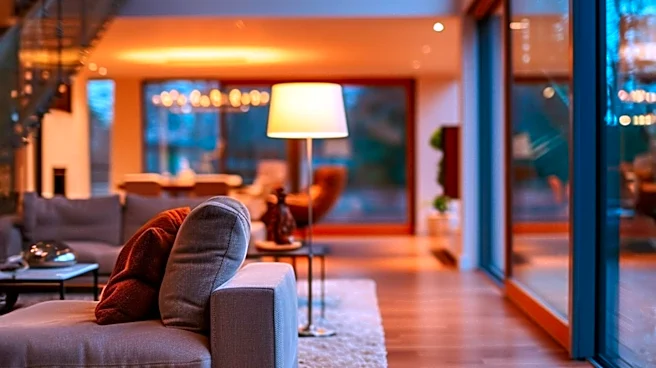
As Japandi style continues to evolve, interior designers and homeowners can expect to see further integration of its principles into various aspects of home decor. The emphasis on natural materials and craftsmanship suggests a continued demand for artisanal goods and sustainable products. Lighting, in particular, is a crucial element, with a preference for soft, diffused light from sources like paper pendants or linen lamps, often with warm color temperatures (2700K to 3000K). This approach to lighting, focusing on creating 'pools of softness' rather than uniform brightness, will likely influence lighting fixture design and placement. Furthermore, the trend may inspire innovations in furniture design that prioritize both aesthetics and functionality, with a continued focus on low-profile, clean-lined pieces. The adoption of AI-powered interior design tools, which can transform room photos into various styles including Japandi, indicates a growing accessibility for consumers to experiment with and implement this aesthetic in their homes.
Beyond the Headlines
Beyond its aesthetic appeal, Japandi style embodies a deeper philosophical approach to living that resonates with contemporary values. The integration of wabi-sabi's appreciation for imperfection and hygge's focus on comfort and coziness suggests a cultural shift towards embracing authenticity and finding contentment in simplicity. This design philosophy encourages a mindful consumption pattern, where items are chosen for their quality, longevity, and ability to contribute to a harmonious living space, rather than for fleeting trends. The emphasis on natural light and materials also connects to biophilic design principles, promoting a stronger connection to nature within urban environments. This could lead to a more holistic approach to home design, where the emotional and psychological well-being of inhabitants is prioritized alongside visual appeal. The longevity of this trend may also signal a move away from overly ornate or mass-produced decor towards more curated, meaningful, and sustainable home environments.