






What's Happening?
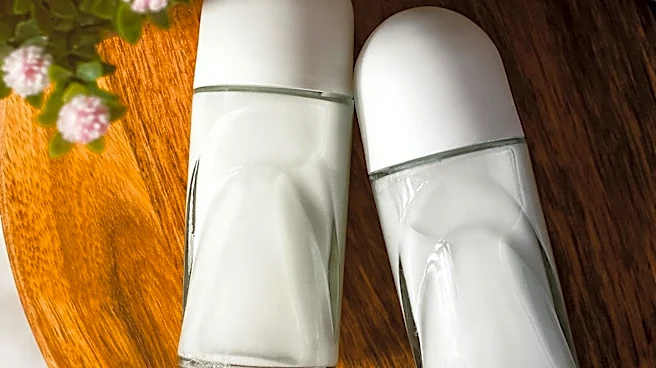
Natural deodorants are gaining attention for their ability to address the unique challenges faced by menopausal women, particularly in managing changes in body odor and skin sensitivity. Products like Lifelongdeo's refillable natural deodorant utilize
plant-based powders such as arrowroot, zinc oxide, and magnesium hydroxide to absorb moisture and neutralize odor without causing irritation. These deodorants are free from aluminum salts, parabens, and alcohol, making them suitable for sensitive skin. The emphasis is on providing a calm and effective solution for women experiencing menopause-related changes, such as hot flushes and night sweats, which can alter the effectiveness of traditional deodorants.
Why It's Important?
The shift towards natural deodorants is significant as it reflects a growing demand for personal care products that cater to specific health and lifestyle needs. For menopausal women, the ability to manage body odor without irritating sensitive skin is crucial, as traditional deodorants often contain ingredients that can exacerbate skin issues. The use of natural ingredients not only addresses these concerns but also aligns with broader consumer trends favoring sustainable and health-conscious products. This development could influence the personal care industry to innovate and expand offerings that prioritize consumer health and environmental impact.
What's Next?
As awareness of the benefits of natural deodorants increases, it is likely that more brands will enter the market with similar products, potentially leading to greater competition and innovation. Companies may focus on developing formulations that cater to other specific demographic needs, such as those of younger consumers or individuals with different skin conditions. Additionally, there may be increased research into the long-term benefits and effectiveness of natural deodorants, which could further validate their use and encourage wider adoption.
Beyond the Headlines
The move towards natural deodorants also highlights a cultural shift towards more personalized and health-oriented consumer choices. This trend is part of a larger movement where individuals are becoming more informed and selective about the products they use, seeking options that align with their values and health goals. The emphasis on refillable and sustainable packaging also reflects a growing environmental consciousness, as consumers look for ways to reduce waste and minimize their ecological footprint.