



What's Happening?
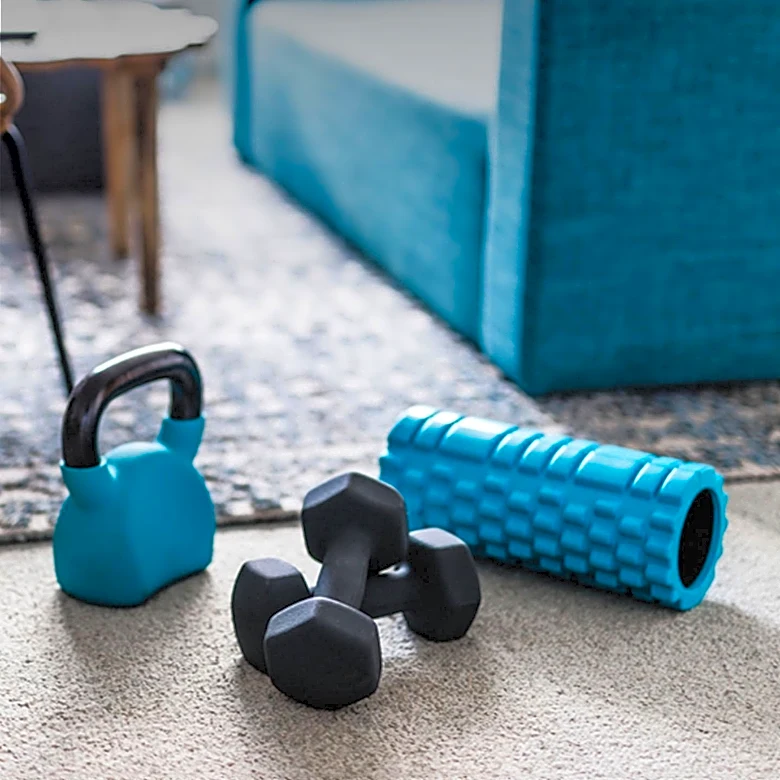
Foam rollers are widely used for physical massage therapy, mobility, and flexibility, serving as a simple method to apply pressure to tight muscles and improve their function. These tools are available in various forms, including traditional foam rollers and smaller
massage balls, and are designed to target specific muscle groups. Common areas for foam rolling include calves, hamstrings, quadriceps, glutes, outer hips (TFL), inner thighs (adductors), upper back, lats, chest, and the bottom of the foot (plantar fascia). The recommended duration for foam rolling is typically 30–60 seconds per area, with a focus on muscles that feel tight. While foam rolling can temporarily reduce muscle soreness and improve mobility, it is not a substitute for addressing underlying causes of persistent pain or restriction. For areas like the chest and front of the shoulder, a massage ball against a wall is often more effective than a large foam roller.
Why It's Important?
The widespread use of foam rollers highlights a growing emphasis on self-care and preventative physical maintenance within the U.S. fitness and wellness industries. This accessibility allows individuals to manage muscle tightness and improve flexibility without constant reliance on professional therapy, making physical well-being more attainable for a broader population. The affordability and ease of use of foam rollers contribute to their importance, as they offer a cost-effective solution for muscle recovery and injury prevention. For athletes and individuals with active lifestyles, foam rolling can enhance performance and reduce recovery times. Furthermore, for those with sedentary jobs, regular foam rolling can alleviate common issues like back stiffness and improve overall posture. The integration of these tools into daily routines underscores a shift towards proactive health management, potentially reducing the burden on healthcare systems for minor musculoskeletal complaints.
What's Next?
The market for foam rollers and similar self-massage tools is likely to continue expanding, with potential advancements in design, materials, and integration with digital fitness platforms. Manufacturers may introduce more specialized rollers tailored for specific body parts or conditions, alongside smart rollers that provide feedback on pressure and technique. The increasing popularity of at-home fitness and virtual reality exercise could further drive demand for accessible recovery tools like foam rollers. Educational resources and guided routines, possibly through mobile applications, will become more prevalent to help users maximize the benefits of foam rolling and ensure proper technique. Additionally, as awareness of myofascial release grows, there may be a greater emphasis on combining foam rolling with other mobility and stretching exercises for comprehensive physical health.
Beyond the Headlines
Beyond their immediate physical benefits, foam rollers represent a broader cultural trend towards personal empowerment in health and wellness. They embody the idea that individuals can take an active role in managing their physical discomfort and improving their body's function. This shift can lead to greater body awareness and a more holistic approach to health, where preventative measures are prioritized. The simplicity of foam rolling also democratizes access to therapeutic techniques that were once primarily available through professional services. However, it also raises questions about the potential for misuse or over-reliance, emphasizing the importance of proper education and understanding when to seek professional medical advice. The integration of such tools into daily life reflects a society increasingly seeking practical, accessible solutions for maintaining well-being in a fast-paced world.