






What's Happening?
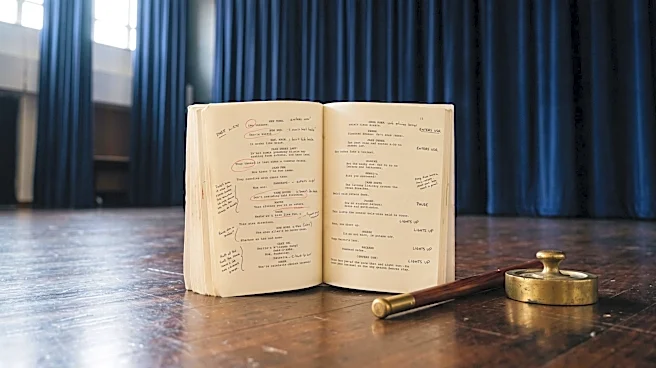
Four senior theatre students from Little Rock Central High School, Max Gunther, Chloe Bradford, Kelby Dunn, and Susana Conti, are reflecting on their high school theatre journeys as their graduation approaches. Following their recent production of Thornton
Wilder's 'OUR TOWN,' these students shared insights into the friendships, experiences, and lessons learned on stage. They discussed how theatre has fostered personal growth, built confidence, and created a supportive community within Thespian Troupe 6418. The students highlighted the significant impact of their theatre educators, Patrice Williams and Christopher Flowers, who they describe as mentors and foundational figures in their program. They also touched upon the unique opportunities provided by their school's history, including Black History Month productions that connect local history with theatrical work.
Why It's Important?
This story underscores the profound impact of arts education, particularly theatre, on the personal development of young adults in the U.S. It illustrates how participation in theatre programs can cultivate essential life skills such as public speaking, teamwork, empathy, and adaptability. For students like Max Gunther, who aspires to public office, theatre provides practical training in communication and leadership. The narrative also highlights the crucial role of dedicated educators in shaping students' lives, extending beyond academic instruction to mentorship and community building. The experiences shared by these seniors demonstrate that theatre is not merely about performance but about fostering a supportive environment where individuals can grow, discover their passions, and prepare for diverse future paths, whether in the arts, medicine, or public service.
What's Next?
As these seniors prepare for graduation, their reflections suggest a continued engagement with the values and skills learned through theatre. While some, like Chloe Bradford, plan to pursue theatre further, others, such as Kelby Dunn and Susana Conti, are interested in medical fields but intend to remain connected to theatre. Max Gunther's ambition for public office indicates how theatre-honed skills can translate into civic engagement. The students' advice to younger peers emphasizes kindness, open-mindedness, and exploring various aspects of theatre, from acting to technical roles. This suggests a legacy of mentorship and community building within Little Rock Central High School's theatre program, ensuring its continued positive influence on future generations of students.
Beyond the Headlines
The experiences of these students reveal deeper implications regarding the role of arts programs in fostering inclusive and supportive communities within educational institutions. The emphasis on kindness, teamwork, and mutual respect among students and between students and educators points to theatre as a powerful tool for social-emotional learning. The ability to connect the school's unique history, such as the legacy of the Little Rock Nine, with theatrical productions, adds a cultural and historical dimension to their education, promoting a deeper understanding of their community and identity. This narrative challenges the perception of theatre as solely an extracurricular activity, positioning it instead as a vital component of holistic education that prepares students not just for careers, but for engaged and empathetic citizenship.