

What's Happening?
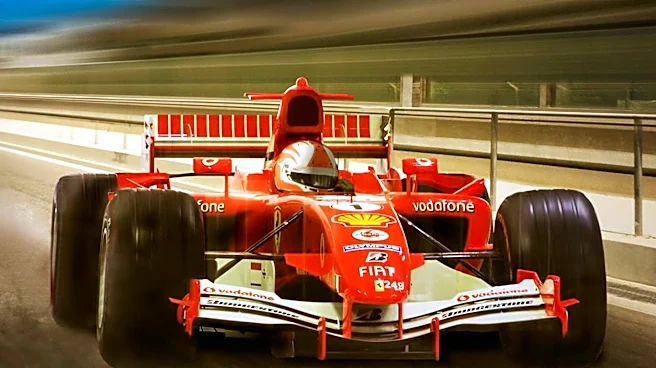
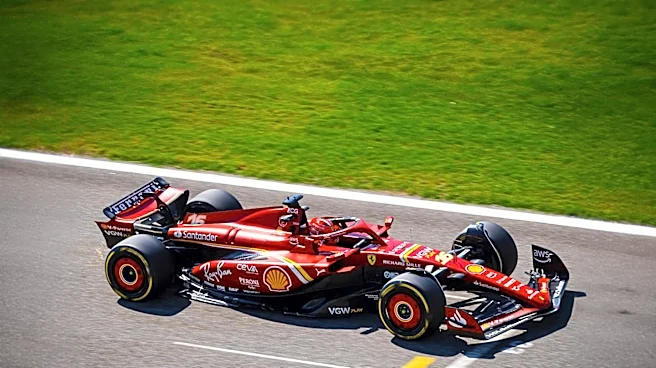
Charles Leclerc has expressed concerns over Ferrari's inconsistent performance in recent Formula 1 races, particularly after the Hungarian Grand Prix where the team finished fourth and fifth. Despite having a strong chassis suited for high-downforce tracks
like the Hungaroring, Ferrari has struggled to capitalize on its strengths. Leclerc noted that the team performed better than expected at power-sensitive circuits such as Silverstone and Spa-Francorchamps, where they secured podium finishes. This unexpected trend has puzzled the team, as they anticipated stronger results at tracks that align with their car's design advantages.
Why It's Important?
Ferrari's performance inconsistency is significant as it highlights potential issues in the team's strategy and car development. Understanding and addressing these trends is crucial for Ferrari to remain competitive in the championship race. The team's ability to adapt and optimize their car for different track conditions will be key to improving their standings. Leclerc's observations may prompt Ferrari to reevaluate their approach to race preparation and execution, potentially leading to strategic changes. This situation underscores the complexities of Formula 1, where even minor discrepancies can have substantial impacts on race outcomes.
What's Next?
Ferrari will likely conduct a thorough analysis of their recent performances to identify the root causes of their unexpected results. The team may implement adjustments to their car setup and race strategies to better align with track-specific demands. Leclerc and his team will aim to leverage their findings to enhance their competitiveness in upcoming races. The response to these challenges will be critical for Ferrari's aspirations in the championship, as they seek to close the gap with leading teams. Fans and analysts will be watching closely to see how Ferrari addresses these issues and whether they can regain their competitive edge.