


What's Happening?
Acclaimed writer-director Martin McDonagh has reiterated his firm opposition to adapting his stage plays into films. Speaking to The Playlist, McDonagh stated that his plays, including celebrated works like 'The Beauty Queen of Leenane' and 'The Pillowman,'
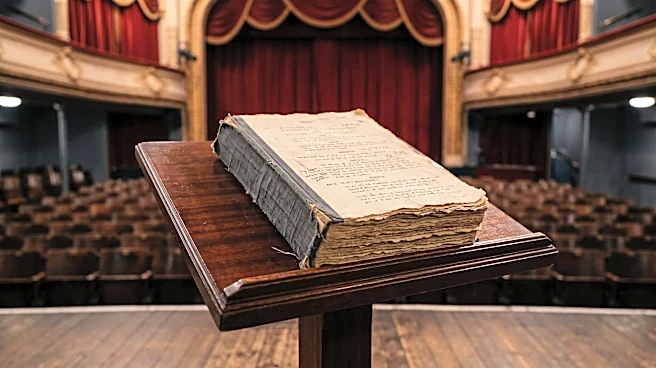
are intended to remain theatrical productions. He expressed a desire for his plays to find 'new life or new theatres' rather than being translated to the screen. McDonagh specifically dismissed the possibility of a film version of 'The Pillowman,' a dark comedy about a writer interrogated over child murders that resemble his stories. Instead, he indicated an interest in bringing 'The Pillowman' back to the stage, noting it has been some time since its last revival. The play was last seen in London's West End in 2023. McDonagh also revealed he possesses a couple of unproduced screenplays but is hesitant to allow other filmmakers to direct them due to his preference for creative control. He also prefers to direct original material rather than adapting novels or other screenplays.
Why It's Important?
McDonagh's steadfast position highlights a significant artistic philosophy regarding the distinct nature of theater and cinema. His refusal to allow film adaptations of his plays preserves the unique theatrical experience of his work, emphasizing the live performance aspect that he believes is integral to their essence. This stance could influence other playwrights and filmmakers to consider the inherent differences between mediums, potentially fostering a greater appreciation for original stage productions. For theater enthusiasts, McDonagh's commitment ensures that his acclaimed plays will continue to be experienced in their intended format, potentially leading to more revivals and new productions. His reluctance to relinquish creative control over his unproduced screenplays also underscores the value many artists place on authorship and vision, which could spark discussions within the industry about creator rights and artistic integrity in an era of frequent adaptations and shared universes.
What's Next?
While no formal announcements have been made, McDonagh's expressed interest in reviving 'The Pillowman' suggests that theatergoers in the U.S. and London could potentially see a new production of the acclaimed play in the future. This could lead to casting news and production details emerging as McDonagh pursues this goal. His continued focus on original screenplays means audiences can anticipate more unique cinematic narratives from him, such as his latest film, 'Wild Horse Nine.' The revelation of unproduced screenplays also leaves open the possibility, however slim, that he might eventually decide to direct one of them himself, or perhaps, under very specific circumstances, allow another filmmaker to take the helm. His ongoing commitment to original storytelling will likely continue to shape his future projects, both on stage and screen.
Beyond the Headlines
McDonagh's artistic integrity in keeping his plays distinct from his film work delves into broader questions about the adaptation process and the essence of storytelling across different media. His view challenges the common industry practice of adapting successful stage plays into films, suggesting that some narratives are intrinsically tied to their original form. This perspective could spark a wider debate among artists and critics about whether certain works lose their impact or meaning when translated from one medium to another. Furthermore, his strong desire for creative control over his own screenplays reflects a growing trend among established filmmakers to maintain artistic autonomy, pushing back against studio pressures that might dilute their original vision. This stance could inspire emerging artists to prioritize their creative independence, fostering a more diverse and author-driven landscape in both theater and film.