


What's Happening?
The French Open has become the first grand slam tournament to offer players a share of the event's revenue, marking a significant development in the ongoing debate over prize money. This decision was made during discussions at Wimbledon, where French Open officials
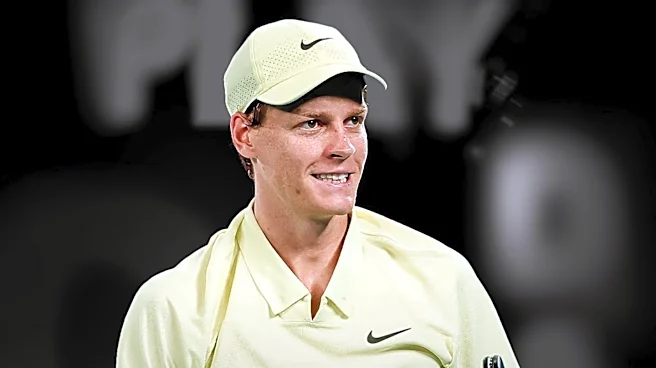
presented the offer to players' representative Larry Scott. The move is expected to increase pressure on the US Open, which is set to announce its prize fund for the upcoming tournament. Players, including men's world No. 1 Jannik Sinner, have threatened to boycott the US Open's mixed doubles event if substantial progress is not made. The players are advocating for a revenue-sharing model where all grand slam tournaments would allocate 16% of their revenue to prize money, increasing to 22% by 2030. The US Open, which increased its prize money by 20% last year, is under particular scrutiny as it coincides with the arrival of a new chief executive of the US Tennis Association, Craig Tiley.
Why It's Important?
The French Open's decision to adopt a revenue-sharing model for prize money is a pivotal moment in professional tennis, potentially setting a precedent for other grand slam tournaments. This move could lead to more equitable compensation for players, aligning their earnings with the financial success of the tournaments. The US Open, in particular, faces mounting pressure to follow suit, as players demand a more predictable and fair distribution of prize money. The outcome of this situation could significantly impact the financial landscape of professional tennis, influencing how tournaments allocate their revenues and how players are compensated. The decision also highlights the growing influence of players in negotiating terms that affect their livelihoods and the sport's future.
What's Next?
As the US Open prepares to announce its prize fund, the tournament organizers will need to address the players' demands for a revenue-sharing model. The arrival of Craig Tiley as the new chief executive of the US Tennis Association could play a crucial role in these negotiations. If the US Open fails to meet the players' expectations, it may face boycotts or other forms of protest, potentially affecting the tournament's reputation and financial success. The broader tennis community will be watching closely to see if other grand slam tournaments will adopt similar revenue-sharing models, which could lead to a significant shift in how prize money is determined across the sport.