




What's Happening?
Skincare experts are providing detailed guidance on effective routines and essential ingredients for women over 40, addressing the physiological changes skin undergoes with age. According to Dr. Suzan Obagi, a board-certified dermatologist, skin begins
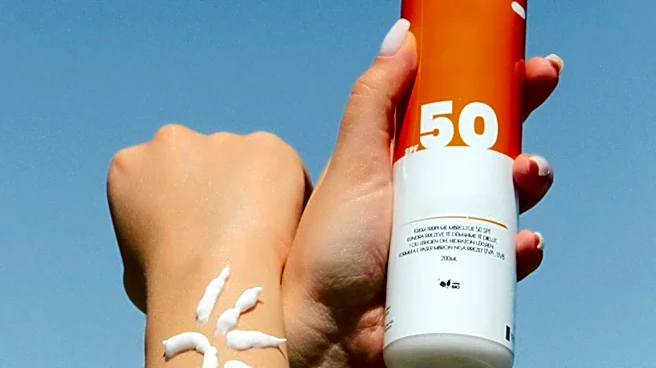
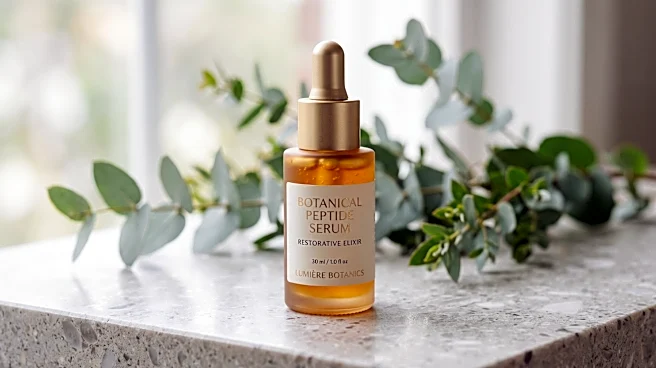
to thin at both epidermal and dermal levels after 40, leading to increased fragility, fine lines, and dryness. To combat these changes, Dr. Obagi and Dr. Chris Tomassian, another board-certified dermatologist, recommend incorporating retinoids (retinol, retinaldehyde, or tretinoin) to improve skin thickness and boost collagen production. Key ingredients highlighted for this age group include retinol, SPF, vitamin C, PDRN, ectoin, ceramides, and occasionally estradiol. A recommended morning routine involves a gentle cleanser (if needed), followed by an antioxidant serum (like L-ascorbic acid or THD), a PDRN moisturizer, and SPF. The nighttime routine should include thorough cleansing, followed by a copper peptide serum, ptiox treatment, tretinoin, and a PDRN moisturizer. Exfoliation is advised one to two times weekly, but over-exfoliation should be avoided as skin becomes drier with age, making it more vulnerable to damage.
Why It's Important?
This detailed skincare guidance is crucial for women over 40 as it directly addresses the specific biological changes occurring in their skin, which often lead to concerns like increased dryness, fine lines, and fragility. By recommending specific ingredients like retinoids, vitamin C, and PDRN, experts are providing actionable steps to mitigate these age-related effects, promoting healthier and more resilient skin. The emphasis on consistent routines, including daily SPF and targeted nighttime treatments, underscores the importance of a proactive approach to skin health rather than reactive solutions. This information empowers individuals to make informed choices about their skincare products and practices, potentially reducing the need for more invasive treatments later on. Furthermore, understanding the science behind these recommendations helps consumers differentiate between effective ingredients and marketing hype, ensuring they invest in products that genuinely support long-term skin health.
What's Next?
As awareness of age-specific skincare needs grows, consumers can expect to see an increased focus from beauty brands on developing products tailored to women over 40, featuring the recommended ingredients like PDRN, ectoin, and advanced retinoid formulations. There may also be a rise in educational content from dermatologists and skincare professionals, further detailing how to integrate these ingredients into daily routines and how to adjust for individual skin types and concerns. The emphasis on consistent, long-term care suggests a shift towards 'skin longevity' as a primary goal, moving beyond quick fixes to sustainable skin health. This could also lead to more personalized skincare consultations and the development of AI-driven tools that help individuals identify their specific needs and build customized routines based on expert recommendations.
Beyond the Headlines
The detailed recommendations for skincare routines for women over 40 highlight a broader societal shift towards proactive aging and wellness. This isn't just about aesthetics; it reflects a growing understanding of skin as an organ that requires specific care throughout different life stages. The inclusion of ingredients like PDRN and ectoin, which may be less commonly known than retinol or vitamin C, suggests an evolving scientific understanding of skin biology and repair mechanisms. This trend also touches upon the ethical considerations of beauty standards, promoting healthy skin as a goal rather than solely focusing on anti-aging in a superficial sense. Furthermore, the advice to avoid over-exfoliation and listen to one's skin emphasizes a more mindful and gentle approach to skincare, moving away from aggressive treatments that can compromise skin barrier health. This holistic perspective encourages individuals to view skincare as an integral part of overall well-being.