




What's Happening?
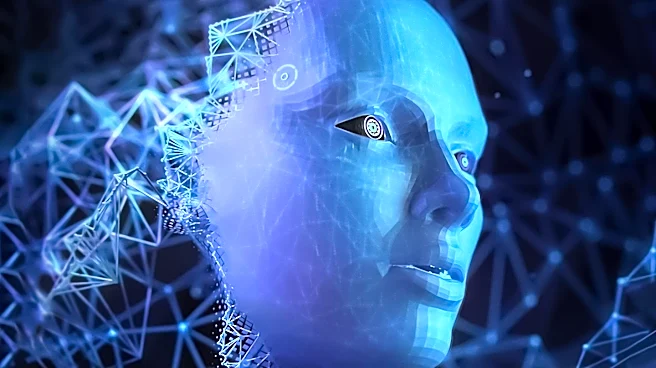
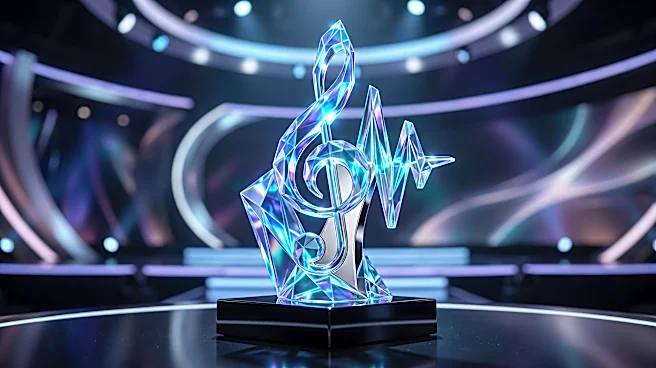
Xania Monet, an AI-generated music act, achieved significant recognition at the first U.S. AI Music Awards held in Los Angeles on November 13, 2026. Monet was awarded AI artist, song, and album of the year. Telisha “Nikki” Jones, the creator behind Xania Monet, stated
that she personally wrote all the lyrics for Monet's music, utilizing AI technology to compose the musical arrangements. The awards ceremony, which celebrated music created at least partially with AI, was organized by the Sonic Intelligence Academy. This organization is known for managing AI-music charts and developing tools for identifying AI-generated songs. Xania Monet's R&B song, 'How Was I Supposed to Know?', previously made history as the first song by an AI-based act to appear on a Billboard radio chart. The event highlighted a growing trend in the music industry where AI is used as a creative tool, prompting discussions about its role and acceptance among listeners and creators.
Why It's Important?
The inaugural U.S. AI Music Awards mark a pivotal moment in the music industry, signaling the formal recognition and growing legitimacy of AI-generated music. This event establishes a dedicated platform for AI-created acts, fostering a new segment within the music market. The awards also bring to the forefront the ongoing debate surrounding AI's role in creative fields. Proponents, like Telisha “Nikki” Jones, argue that AI democratizes music production, allowing individuals with lyrical talent but lacking traditional production skills to create and release music. Conversely, concerns persist among human musicians, producers, and songwriters who fear that AI-generated music could diminish opportunities for human artists and divert attention and work from them. The awards provide an early indication of how AI music is developing its own systems of recognition and public identity, potentially influencing future industry standards, copyright discussions, and artistic collaboration models.
What's Next?
The success of the first U.S. AI Music Awards suggests a continued integration of AI into the music industry, potentially leading to more specialized awards, charts, and platforms dedicated to AI-generated content. As AI music gains more public exposure and acceptance, there may be increased investment in AI music technologies and tools, further refining the capabilities of AI in composition, production, and vocal synthesis. The ongoing dialogue between AI proponents and traditional musicians is likely to intensify, potentially leading to new industry guidelines, ethical frameworks, or even legislative actions concerning AI's use in creative works, particularly regarding copyright and fair compensation for human artists. Listeners may also see a broader range of AI-assisted music entering mainstream consumption, requiring them to adapt to new forms of artistic expression and potentially influencing their preferences and expectations for music.
Beyond the Headlines
The emergence of AI music awards delves into deeper implications concerning the definition of artistry and creativity in the digital age. The distinction made by creators like Telisha “Nikki” Jones, who writes lyrics while AI composes music, challenges traditional notions of a 'musician' and 'artist.' This raises ethical questions about authorship, originality, and the value attributed to human versus machine contributions in creative output. Legally, the awards could fuel further debates and lawsuits regarding copyright ownership for AI-generated works, especially when AI models are trained on existing copyrighted material. Culturally, the acceptance of AI music reflects a broader societal shift towards integrating artificial intelligence into various aspects of daily life, potentially altering how audiences perceive and engage with art. This development could also lead to long-term shifts in music education, production workflows, and the economic landscape for artists, prompting a re-evaluation of skills and roles within the industry.