


What's Happening?
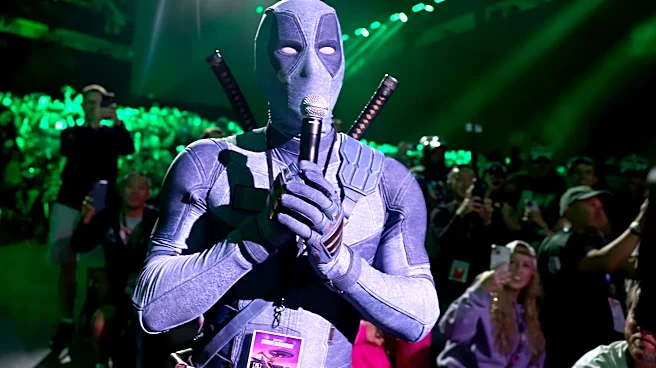
Before Ryan Reynolds became synonymous with the Marvel antihero Deadpool, another prominent actor, Jensen Ackles, was considered for the role. Reynolds first appeared as Deadpool in 2009's 'X-Men Origins: Wolverine,' a film that did not achieve critical
success. However, his subsequent solo outing in 2016 as the Merc with a Mouth proved to be a significant box office hit, leading to a successful franchise that is now in its third installment. While many actors are often considered for major roles, Ackles is one of the few who has publicly discussed auditioning for the character. This revelation highlights the casting process behind one of Marvel's most popular and unconventional characters, showcasing how different actors are evaluated for iconic roles before the final selection is made. The success of the 'Deadpool' franchise under Reynolds' portrayal has solidified his connection to the character, making it difficult for many fans to imagine anyone else in the role.
Why It's Important?
The revelation that Jensen Ackles was nearly cast as Deadpool underscores the pivotal nature of casting decisions in the entertainment industry. A different actor in such a high-profile role could have significantly altered the trajectory of the 'Deadpool' franchise and potentially the broader Marvel cinematic landscape. Ryan Reynolds' unique comedic timing and persona are widely credited for the character's immense popularity and box office success, transforming Deadpool from a niche comic book character into a global phenomenon. Had Ackles, known for his dramatic roles, taken on the part, the character's on-screen interpretation and audience reception might have been vastly different. This scenario highlights how a single casting choice can influence a film's tone, marketing, and overall cultural impact, affecting not only the studio's financial returns but also the audience's perception of a beloved character. It also emphasizes the 'what if' scenarios that are common in Hollywood, where careers and franchises can hinge on such critical decisions.
What's Next?
With the 'Deadpool' franchise continuing its success, Ryan Reynolds is firmly established in the role, with a third movie in the series already underway. The discussion about Jensen Ackles' near-casting serves as a retrospective look at the franchise's origins rather than an indication of future casting changes. For fans, it offers an interesting piece of trivia about the development of the character's cinematic journey. The ongoing success of the 'Deadpool' films suggests that Reynolds will continue to portray the character for the foreseeable future, especially as the character integrates further into the broader Marvel Cinematic Universe. Future developments will likely focus on the narrative direction of the upcoming 'Deadpool' installment and how the character interacts with other established Marvel heroes, rather than revisiting past casting considerations. The franchise's future will continue to build on the foundation laid by Reynolds' portrayal.
Beyond the Headlines
The story of Jensen Ackles almost playing Deadpool delves into the often-unseen complexities of Hollywood casting, where numerous talented actors vie for iconic roles. It highlights the subjective nature of the selection process, where a combination of talent, screen presence, and perceived fit for a character's specific demands ultimately determines who gets the part. This instance also illustrates the concept of 'typecasting' and how an actor's established persona can either hinder or help them secure a role. Reynolds' comedic background made him a natural fit for Deadpool's irreverent humor, while Ackles' more serious roles might have led to a different interpretation. Such near-misses are common in the industry and often become fascinating footnotes in cinematic history, prompting fans to imagine alternate realities and appreciate the unique alchemy that leads to a perfect actor-character pairing. It also underscores the significant impact that a single role can have on an actor's career trajectory and public image.