





What's Happening?
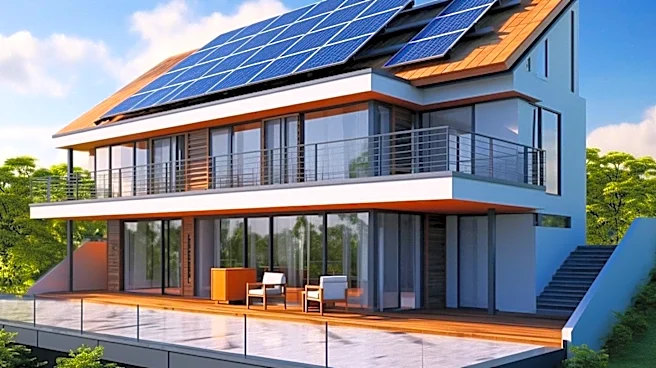
Japan's Zero Energy House (ZEH) program is gaining attention as a model for achieving home self-sufficiency. The program focuses on reducing net energy consumption to zero by addressing the root causes of energy inefficiency. This involves improving insulation,
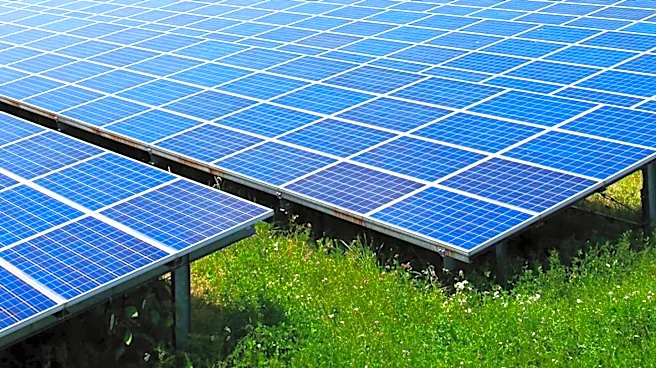
adopting smart devices, and utilizing alternative energy sources like solar power. The ZEH+ variation includes advanced features for smarter energy use, such as Home Energy Management Systems (HEMS) that optimize power generation and consumption. These systems can be costly but offer significant long-term savings on energy costs.
Why It's Important?
The ZEH program's approach to home self-sufficiency is relevant to the U.S. as it aligns with growing interest in sustainable living and energy efficiency. By adopting similar strategies, American homeowners can reduce their carbon footprint and energy bills. The program also highlights the potential for government and industry collaboration to promote sustainable building practices. As energy costs rise and environmental concerns grow, such initiatives could play a crucial role in shaping future housing policies and consumer behavior in the U.S.
What's Next?
For U.S. homeowners interested in self-sufficiency, the next steps could involve exploring government incentives for energy-efficient upgrades and investing in smart home technologies. The Energy Star Smart Home Energy Management System offers packages that can help manage energy use effectively. As awareness of the benefits of self-sufficient homes increases, there may be a push for more widespread adoption of these practices, potentially leading to policy changes and increased availability of sustainable building materials and technologies.