





What's Happening?
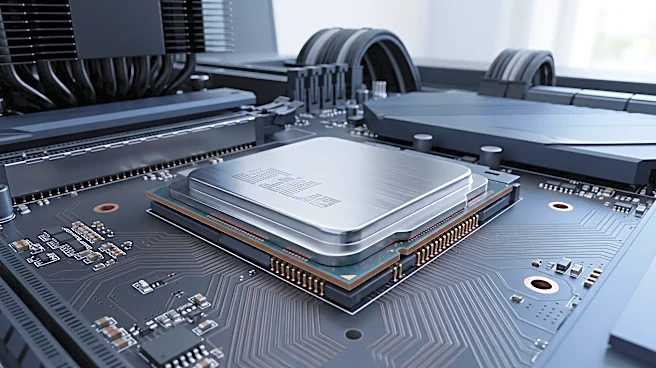
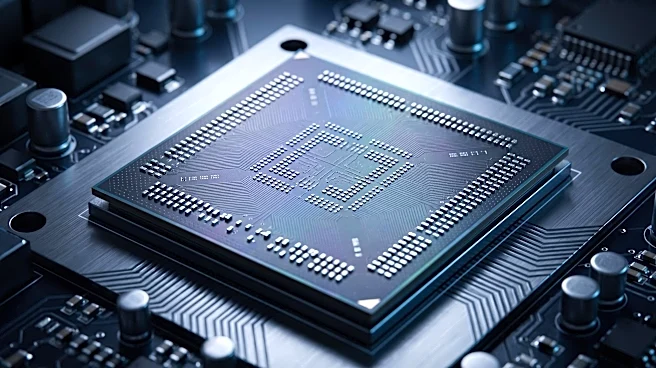
The Intel Core Ultra 7 260K processor has been listed in several purchasable desktop configurations on Newegg, specifically in ABS Kaze II and ABS Flux II systems. These listings include details such as 32GB of DDR5 memory and 1TB solid-state drives,
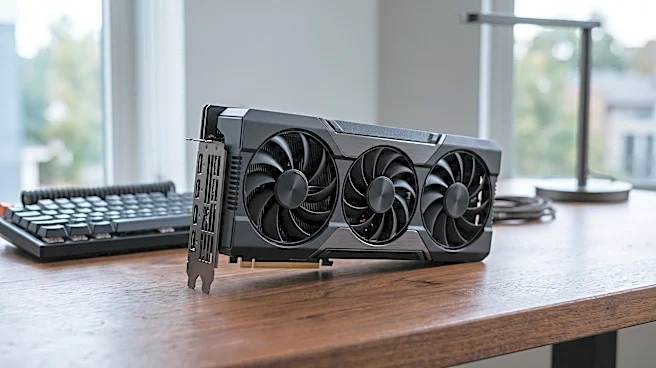
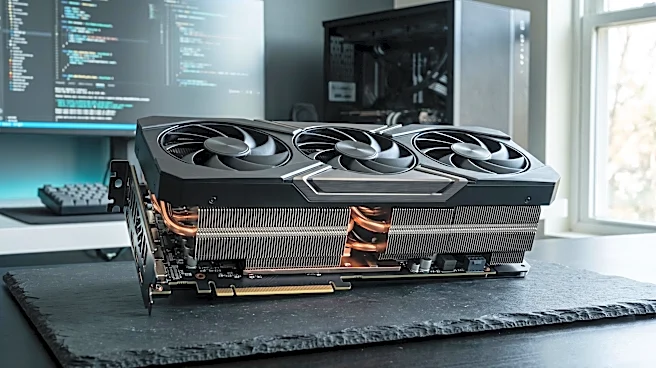
paired with Nvidia GeForce RTX 5060 or RTX 5070 graphics cards. The product pages identify the chip as a 20-core processor with 30MB of L3 cache. This appearance on a major retailer's website suggests commercial availability, yet official documentation and clear specifications from Intel regarding this specific model remain largely unconfirmed. Intel has reportedly acknowledged a limited-availability model, but the name used in their response, '260K Plus,' differs from Newegg's '260K,' creating an identification discrepancy. This situation highlights a gap between retail presence and comprehensive product information, leaving buyers with incomplete details about the processor's exact capabilities and its place within Intel's product lineup.
Why It's Important?
The emergence of the Intel Core Ultra 7 260K in Newegg's listings without clear, official specifications from Intel creates significant uncertainty for consumers and the broader PC market. For buyers, particularly those seeking specific performance metrics for gaming or demanding applications, the lack of authoritative data makes informed purchasing decisions challenging. They cannot easily compare this processor to established models like the Intel Core Ultra 7 265K, as critical details such as operating limits, enabled features, and sustained performance are not fully disclosed. This ambiguity could lead to customer dissatisfaction if the delivered product does not meet inferred expectations based on similar-sounding models. For Intel, this situation could impact brand perception, as inconsistent naming and delayed official documentation can erode consumer trust and create confusion in a competitive market. System builders like ABS also face challenges, as they are selling configurations with a component whose full technical profile is not yet transparent, potentially complicating support and warranty claims.
What's Next?
The immediate next steps involve Intel providing an authoritative specification record for the processor sold under the '260K' name, clarifying its relationship to any '260K Plus' variant. This official documentation would offer buyers a reliable reference for technical claims and enable more accurate comparisons. Concurrently, Newegg and system builders like ABS need to ensure consistency across their product titles, specification fields, and order documentation to eliminate discrepancies and provide a clear purchasing experience. Independent testing of systems containing the Intel Core Ultra 7 260K will also be crucial. Such testing should detail the complete configuration, including the motherboard, memory setup, and operating conditions, to provide objective performance benchmarks. These developments will help resolve the current uncertainty, allowing consumers to make informed decisions and ensuring transparency in the rapidly evolving PC hardware market.
Beyond the Headlines
The situation surrounding the Intel Core Ultra 7 260K processor on Newegg extends beyond a simple product launch, touching upon broader implications for consumer trust, industry transparency, and the dynamics of product rollout in the technology sector. The discrepancy between a product's retail availability and its official documentation raises questions about the communication pipelines between manufacturers and retailers, as well as the speed at which technical information is disseminated. This scenario could set a precedent for how consumers approach new hardware, fostering a more cautious buying environment where immediate retail presence is not automatically equated with full product transparency. It also highlights the increasing complexity of processor naming conventions, which can inadvertently obscure critical differences between models, making it harder for the average consumer to navigate technical specifications. Ultimately, this event underscores the importance of clear, consistent, and timely information from all stakeholders in the technology supply chain to maintain market integrity and consumer confidence.