








What's Happening?
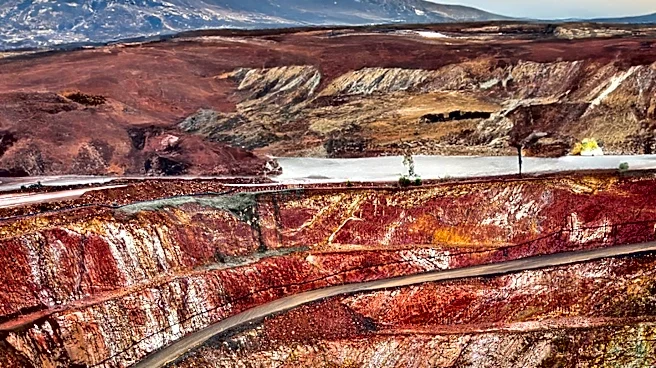
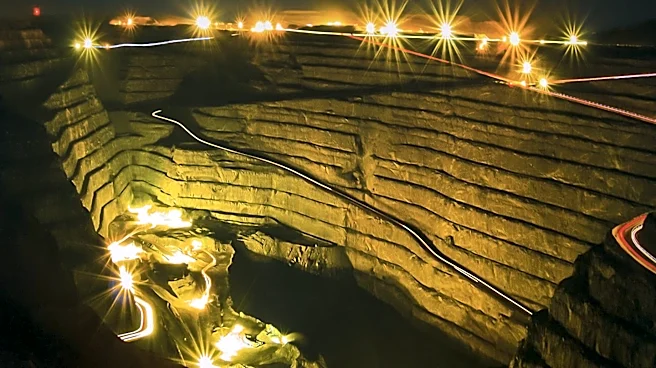
The Rosh Pinah Zinc (RPZ) project in Namibia is nearing completion with its expansion, known as RP2.0, which aims to double the processing throughput from 700,000 tonnes per year to 1.4 million tonnes annually. This expansion is set to increase zinc-equivalent
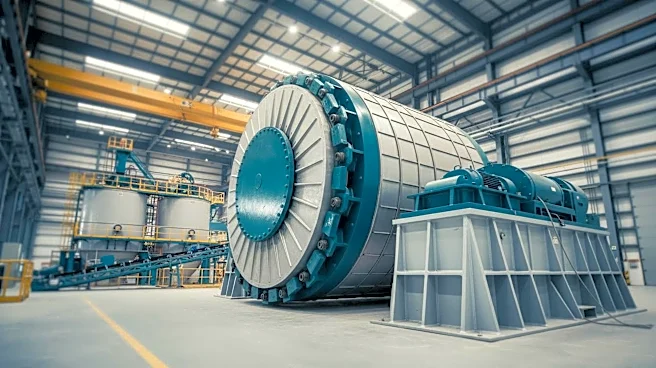
production to an average of 170 million pounds per year. The project involves significant upgrades, including the development of the underground mine and new surface infrastructure such as a processing plant with a semiautogenous grinding (SAG) mill, expanded zinc flotation, and water-treatment facilities. The SAG mill, which replaces the existing ball mill, is designed to enhance efficiency and allow for the treatment of harder ore types. Additionally, the expansion includes the first commissioned paste-backfill operation in Namibia, aimed at reducing mining dilution and surface tailings. The project is funded by a $150-million debt facility underwritten by Standard Bank, with construction expected to be completed by the third quarter of 2026.
Why It's Important?
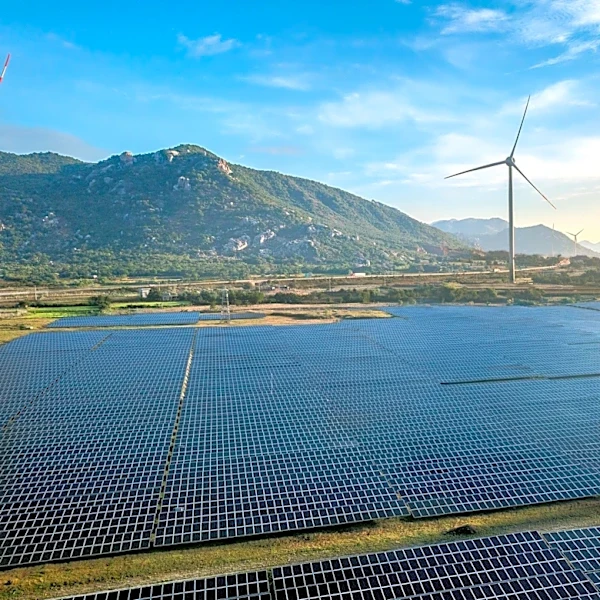
The expansion of the Rosh Pinah Zinc project is significant for the mining industry in Namibia and the broader region. By doubling its processing capacity, the project is poised to enhance the economic output and employment opportunities in the area. The introduction of advanced technologies, such as the SAG mill and paste-fill plant, reflects a commitment to improving operational efficiency and environmental sustainability. The expansion of the Rosh Pinah Solar Park to supply 30% of the project's energy needs underlines a shift towards renewable energy sources, reducing the mine's carbon footprint. This development could set a precedent for future mining projects in Africa, emphasizing the importance of integrating sustainable practices in resource extraction.
What's Next?
As the Rosh Pinah Zinc project approaches completion, the focus will shift to the ramp-up phase, which is expected to follow shortly after construction ends in the third quarter of 2026. The project will also undertake extensive diamond drilling in 2027 to expand its mineral resource base and potentially extend the mine's operational life. Stakeholders, including Appian Capital Advisory and Standard Bank, will likely monitor the project's performance closely to ensure it meets production targets and financial returns. The successful implementation of the solar park expansion could encourage further investments in renewable energy within the mining sector.