




What's Happening?
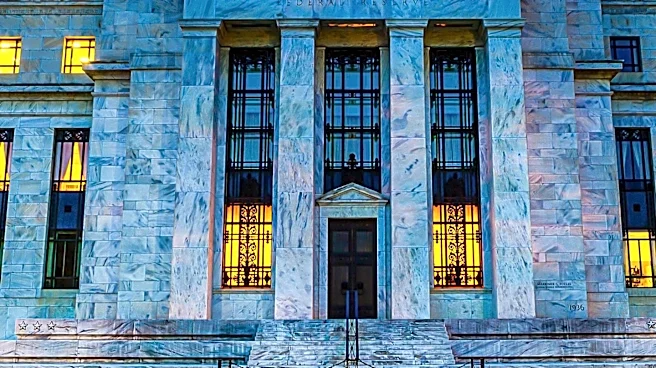
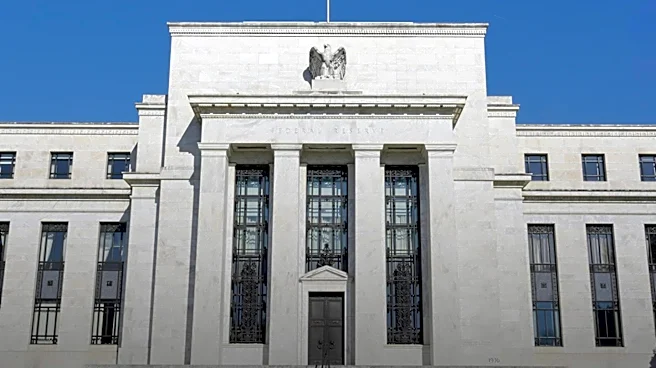
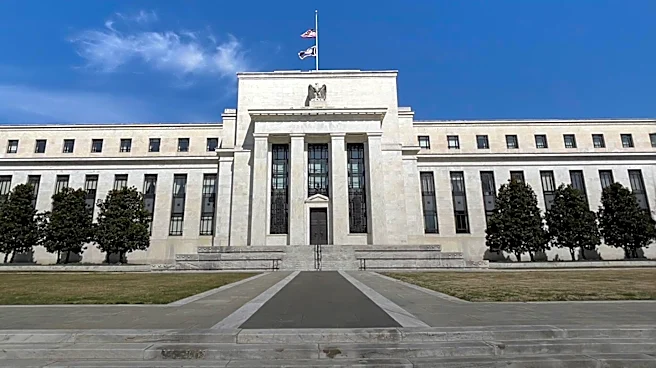
The U.S. bond market has experienced a significant surge in yields, with the 30-year Treasury yield climbing above 5 percent to approximately 5.25 percent, marking the highest level since 2007. This development follows the Federal Reserve's decision to maintain
current interest rates, which has led to increased market speculation that rates may remain elevated for an extended period or could be raised again. The rise in bond yields is seen as a response to ongoing inflation concerns, as well as the broader economic uncertainty. The Federal Reserve's decision was not unanimous, with three out of twelve voting members dissenting, indicating a division on the approach to managing inflation. This has contributed to market apprehension about the Fed's ability to control inflation effectively.
Why It's Important?
The increase in U.S. bond yields is a critical indicator of economic sentiment, reflecting concerns about inflation and the potential for prolonged high interest rates. Higher bond yields can lead to increased borrowing costs for businesses and consumers, affecting everything from mortgages to corporate loans. This situation could dampen economic growth by reducing consumer spending and business investment. Additionally, the rise in yields may signal a shift in investor preference towards bonds over riskier assets like stocks, potentially impacting stock market performance. The interconnectedness of global financial markets means that these developments in the U.S. could have international repercussions, influencing economic conditions in other countries, particularly those closely tied to the U.S. economy.
What's Next?
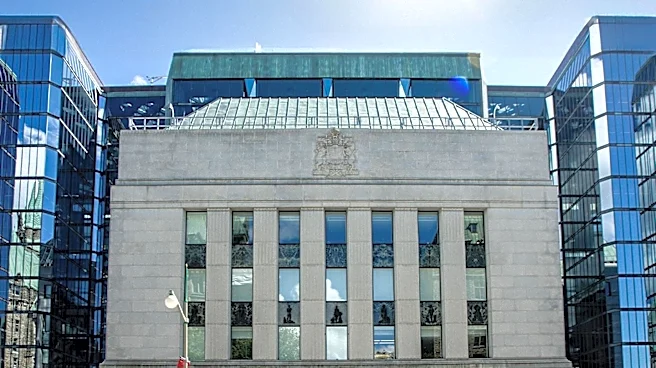
Investors and economists will closely monitor the Federal Reserve's future actions and statements for indications of how it plans to address inflation and interest rate policies. The ongoing economic uncertainty may prompt the Fed to adjust its strategies, potentially leading to further rate hikes if inflation remains persistent. Additionally, the impact of U.S. economic policies on global markets will be scrutinized, as other central banks, like the Bank of Canada, may need to respond to avoid importing inflationary pressures. The situation also raises questions about government borrowing and fiscal policy, as the U.S. debt continues to grow, potentially affecting investor confidence and future borrowing costs.