





What's Happening?
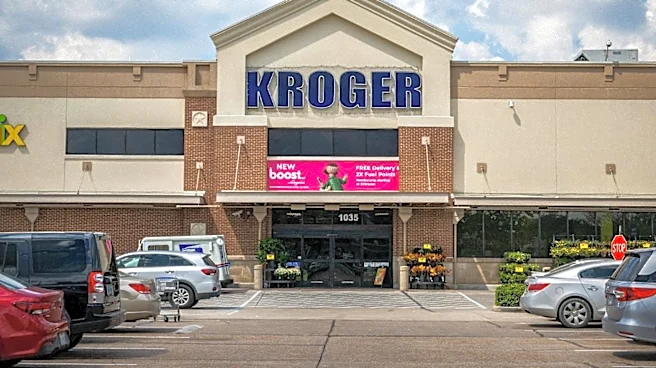
Discount grocery chains, including Aldi, Lidl, and Food 4 Less, are significantly increasing their market share in the U.S., challenging traditional supermarkets like Kroger. Aldi, in particular, is on track to open 150 new stores this year alone, reflecting
a shift in consumer perception away from the historical stigma associated with discount retailers. David Rinaldo, chief operating officer at Aldi, noted that the mainstream acceptance of limited assortment discount grocers for primary shopping was once unimaginable. A key factor in Aldi's appeal is its reliance on cheaper in-house brands, which constitute 92% of its inventory. These private labels are manufactured by contractors and are distinct from older generic brands, representing a growing trend where private labels have outpaced national brands in growth for nine out of the last ten years. This trend is occurring as American consumers face a 32% increase in grocery prices since 2020, leading many to seek more affordable shopping options.
Why It's Important?
The expansion of discount grocery chains like Aldi signifies a significant transformation in the U.S. retail food landscape, driven by persistent inflation and changing consumer behaviors. This shift impacts traditional supermarkets, which are losing market share to their discount counterparts, potentially forcing them to re-evaluate pricing strategies and product offerings. The growing preference for private label brands, as highlighted by Aldi's success, indicates a broader consumer acceptance of store brands over national brands, which could influence manufacturing and marketing strategies across the food industry. For consumers, the rise of discount grocers offers more affordable options, which is crucial as many Americans struggle with increased food costs. A survey by the Urban Institute indicates that approximately 35% of Americans are using credit cards for groceries, with one in four having difficulty paying off this debt, underscoring the financial strain that makes discount options vital.
What's Next?
The continued expansion of Aldi and other discount grocers suggests an ongoing competitive environment for traditional supermarkets, which may need to innovate to retain customers. Consumers can expect more accessible discount grocery options as these chains open new locations, potentially leading to increased price competition across the grocery sector. The trend of private label growth is likely to continue, prompting more manufacturers to produce store brands and potentially leading national brands to adjust their pricing or marketing to compete. While grocery price increases are expected to slow by next Thanksgiving, the current financial pressures on consumers, including the reliance on credit cards and 'Buy Now Pay Later' apps for food purchases, indicate that the demand for cost-effective grocery solutions will remain high. This could further solidify the position of discount retailers in the U.S. market.
Beyond the Headlines
The shift towards discount grocery stores and private labels reflects deeper economic and societal implications beyond just saving money. It highlights a growing financial precarity among a significant portion of the U.S. population, where even middle-income individuals with advanced degrees are struggling to afford basic necessities like food. The increasing use of credit cards and 'Buy Now Pay Later' apps for groceries points to a broader issue of household debt and financial instability, which could have long-term consequences for individual credit scores and overall economic resilience. This trend also challenges the traditional perception of value and quality, as consumers increasingly find comparable quality in private label brands at lower prices. The normalization of discount shopping could permanently alter consumer expectations regarding food pricing and brand loyalty, fostering a more price-sensitive market even if economic conditions improve.