





What's Happening?
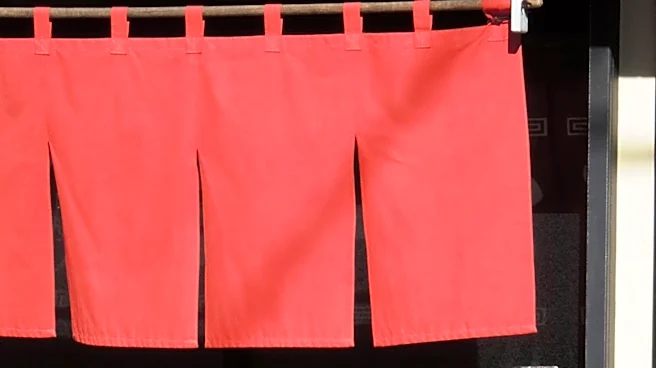
Yuu Japanese Food Hall has officially opened in Ventura, California, introducing 14 Japanese restaurant vendors to the U.S. for the first time. Located within a Round 1 bowling and arcade center in the Pacific View shopping mall, the food hall is the culmination
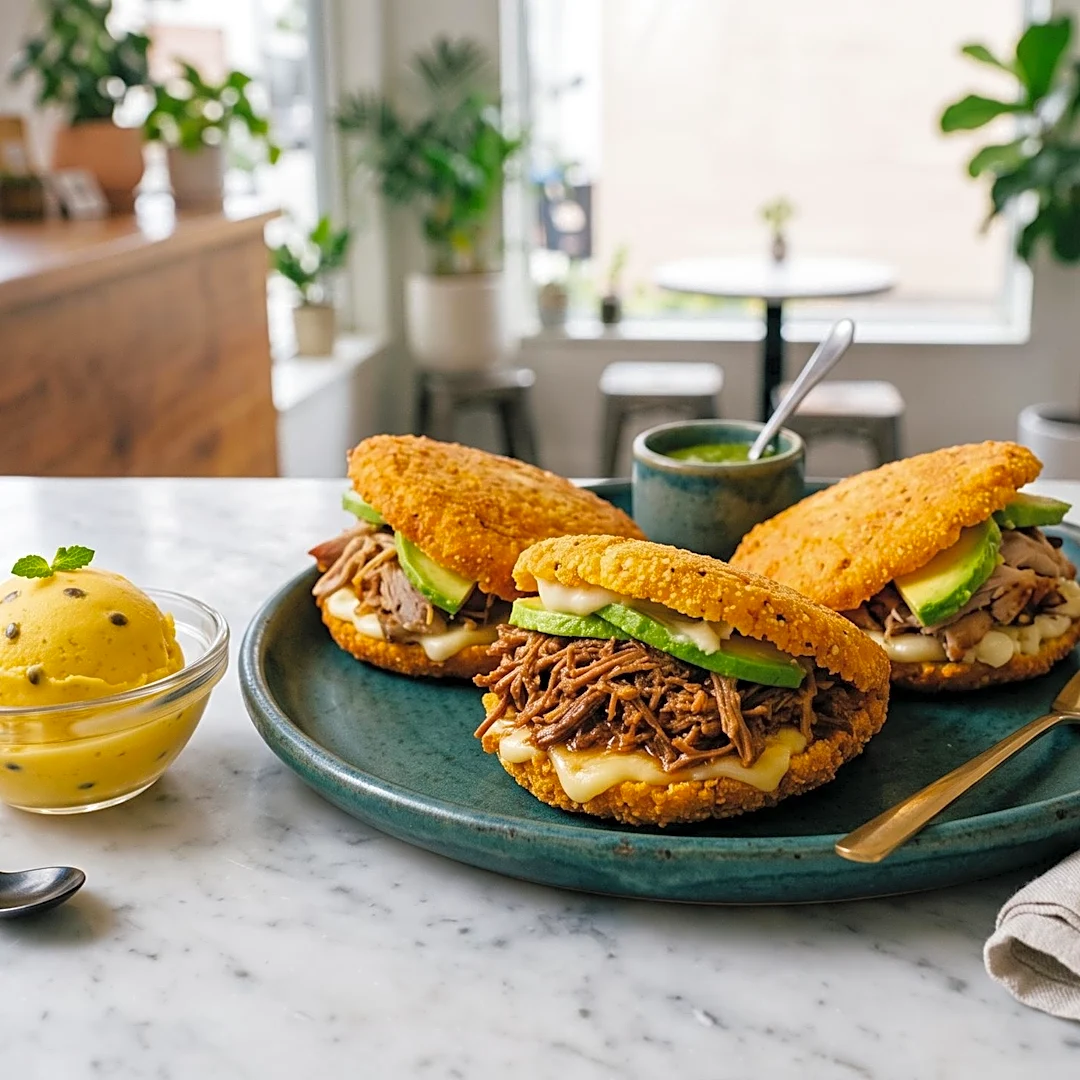
of three years of development. Hirotoshi Takahashi, Executive Vice President and Chief Operating Officer of Round One Entertainment, emphasized the meticulous efforts to ensure authenticity, with restaurant owners and chefs focusing on ingredient sourcing and preparation methods to replicate the original Japanese dishes. While some ingredients are locally sourced, many are imported directly from Japan, and specialized equipment, such as a water filtration system for soft, low-mineral water, has been installed to achieve specific textures and flavors. The food hall features a variety of Japanese culinary offerings, including silken udon noodles, yuzu-kosho karaage, and various ramen styles. Notably, Kyoto-based Pizzeria Da Naghino offers Neapolitan pies, and Gelateria Il Brigante from Kamakura serves Sicilian gelato. Orders are placed via self-service kiosks, allowing customers to mix and match from different vendors.
Why It's Important?
The opening of Yuu Japanese Food Hall in Ventura signifies a growing trend of bringing authentic international culinary experiences to the U.S. market. This development offers American consumers, particularly those in Southern California, direct access to a diverse range of Japanese dishes that were previously only available in Japan. The emphasis on authenticity, through careful ingredient sourcing and specialized equipment, sets a new standard for international food concepts in the U.S., potentially influencing other ethnic food markets to prioritize genuine cultural representation. For the local economy in Ventura, the food hall, combined with the Round 1 bowling and arcade, creates a new entertainment and dining destination, expected to attract both local residents and day-trippers from Los Angeles and the Central Coast. This could lead to increased tourism and local spending, benefiting businesses in the Pacific View shopping mall and the broader Ventura area. The success of this model could also pave the way for similar ventures in other U.S. cities, as Yuu Japanese Food Hall plans to open another location in Escondido later this year.
What's Next?
Following its Ventura debut, Yuu Japanese Food Hall is set to expand with a new location in Escondido later this year. This upcoming opening will introduce additional Japanese culinary concepts, including Shaved Ice Housekibaco, known for its kakigori made with ice slowly frozen over 72 hours, and Takoyaki Do-Raku Wanaka, a takoyaki shop founded in Osaka in 1986. The expansion indicates a strategic plan to broaden the reach of authentic Japanese cuisine across California. The Ventura location will continue to operate as an all-day destination, with plans to add billiards and ping pong tables to its existing bowling alley, arcade, and karaoke facilities. The ongoing success of these food halls will likely be monitored by other developers and restaurateurs, potentially leading to a wider adoption of similar multi-vendor, culturally authentic dining and entertainment complexes across the U.S. The ability to maintain the high standards of authenticity and ingredient sourcing will be crucial for the long-term success and expansion of the Yuu Japanese Food Hall brand.
Beyond the Headlines
The emergence of Yuu Japanese Food Hall reflects a broader cultural shift in American consumer preferences towards more authentic and diverse international culinary experiences. This trend moves beyond generalized ethnic restaurants to highly specialized and regionally specific offerings, directly imported from their countries of origin. The meticulous attention to detail, from water filtration systems to specific pork breeds for tonkatsu, highlights a commitment to cultural fidelity that resonates with an increasingly sophisticated American palate. This development also underscores the growing influence of Japanese pop culture and cuisine in the U.S., extending beyond sushi and ramen to a wider array of dishes and dining formats. Furthermore, the integration of the food hall with an entertainment complex like Round 1 suggests a new model for retail and leisure, where dining becomes an integral part of a larger experiential outing. This could redefine how Americans engage with food, entertainment, and cultural exploration, fostering a deeper appreciation for global culinary traditions and potentially inspiring similar ventures from other international cuisines.